Strawberry Rhubarb Jam

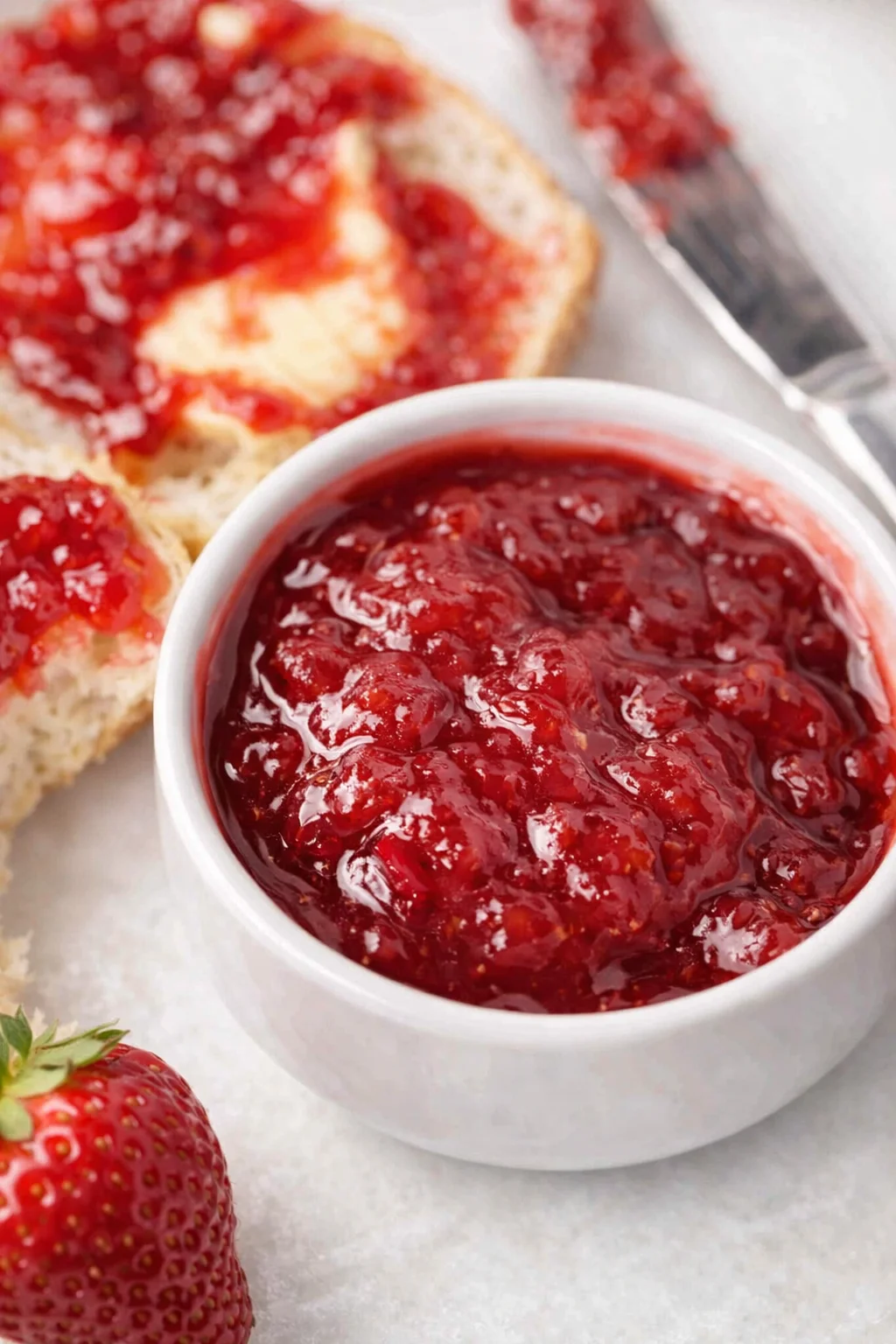
Whip up your own Strawberry Rhubarb Jam using fresh rhubarb, juicy strawberries, sugar, and a splash of lemon—no pectin needed!
If you’ve ever tackled strawberry jam before, you’ll love how rhubarb adds a delicious twist in both flavor and texture! This jam is super easy to keep in the fridge or freezer, and you can even preserve it with a water bath canning method that lets it last all year long!
Bright, flavorful, and perfectly balanced between sweet and tangy—this Strawberry Rhubarb Jam is what happens when plump summer strawberries meet tangy rhubarb and a squeeze of lemon magic. You’ll only need four simple ingredients (rhubarb, strawberries, sugar, and fresh lemon juice), and the best part? No added pectin. This means you get that lovely, old-school jam texture and flavor without any fuss or mystery ingredients.
Keep reading for everything you need to nail this jam: exact ingredient amounts, clear step-by-step instructions with photos, tips for hitting that perfect gel, and smart storage advice whether you’re refrigerating, freezing, or water bath canning. It takes about 15 minutes to get ready and roughly an hour to cook. Expect to end up with about 4 cups of jam that your family will love.
- Simple ingredients and a fuss-free method—great for jam newbies starting out.
- Real advice on how to tell when the jam’s finished: the right temperature, texture, and feel.
- Storage tips, flavor twists, and helpful troubleshooting so you can customize your jam just right.
Sweet and Tart Appeal
- This recipe keeps it incredibly simple with just four ingredients, and it’s super easy to pull off in your kitchen.
- Strawberries and rhubarb are basically a dream team. Together they make the perfect mix of sweet and tart that keeps you coming back for more.
- This jam is so versatile—you can spread it on toast, swirl it in your morning oats, spoon it over pancakes, or even dollop it on ice cream for a special treat.
- Want a big batch? No problem—turn this jam into freezer jam or pop it into mason jars and process it in a water bath for rock-solid long-term storage.
Quick side note: I actually use more than twice as much rhubarb as strawberries in this recipe.
Here’s why:
- First, rhubarb tends to be way more budget-friendly than strawberries (at least around here it does!).
- Second, since this recipe skips pectin, you need plenty of sugar to make the jam set just right. Strawberries are naturally sweet, so dumping in a ton of sugar can make it sickly sweet. Rhubarb’s tartness balances everything nicely, letting the sugar create that perfect texture without overpowering the flavor.
I’ve seen plenty of recipes online calling for way more sugar than I use, but trust me—if your strawberries are good and sweet quality, stick to my sugar amount. It’s perfect for flavor and the jam sets up just right every time.
Now, about that lemon—you definitely want it in this jam. Not just for the bright citrusy punch, but there’s some fun food science behind it.
Basically, when you cook fruit like strawberries and rhubarb with sugar, the natural pectin in the fruit starts to break down, and those pectin molecules actually repel each other. That means the jam won’t gel properly on its own.
Enter lemon juice. It’s acidic, which lowers the pH and neutralizes those negative charges on the pectin. This allows everything to stick together and the jam to form that beautiful, spreadable gel we all love.
So yes, even my barely-used degree in chemical engineering comes in handy in the kitchen sometimes!
What You’ll Need

- 5 cups rhubarb about 3 large stalks, cut into 1⁄2″ cubes
- 2 cups hulled and halved strawberries about 1 pint
- 2 1/4 cups sugar
- 1 tablespoon fresh lemon juice from about half of a large lemon
Cooking Instructions and Timing
- Slice rhubarb into 1/2-inch pieces and discard the leafy tops.
- Clean, hull, and halve the strawberries.
- Combine 5 cups rhubarb, 2 cups hulled and halved strawberries, 2 1/4 cups sugar, and 1 tablespoon fresh lemon juice in a medium-to-large saucepan.
-
Set heat to medium and, once the mixture begins to bubble gently, reduce heat to medium-low to maintain a soft simmer.
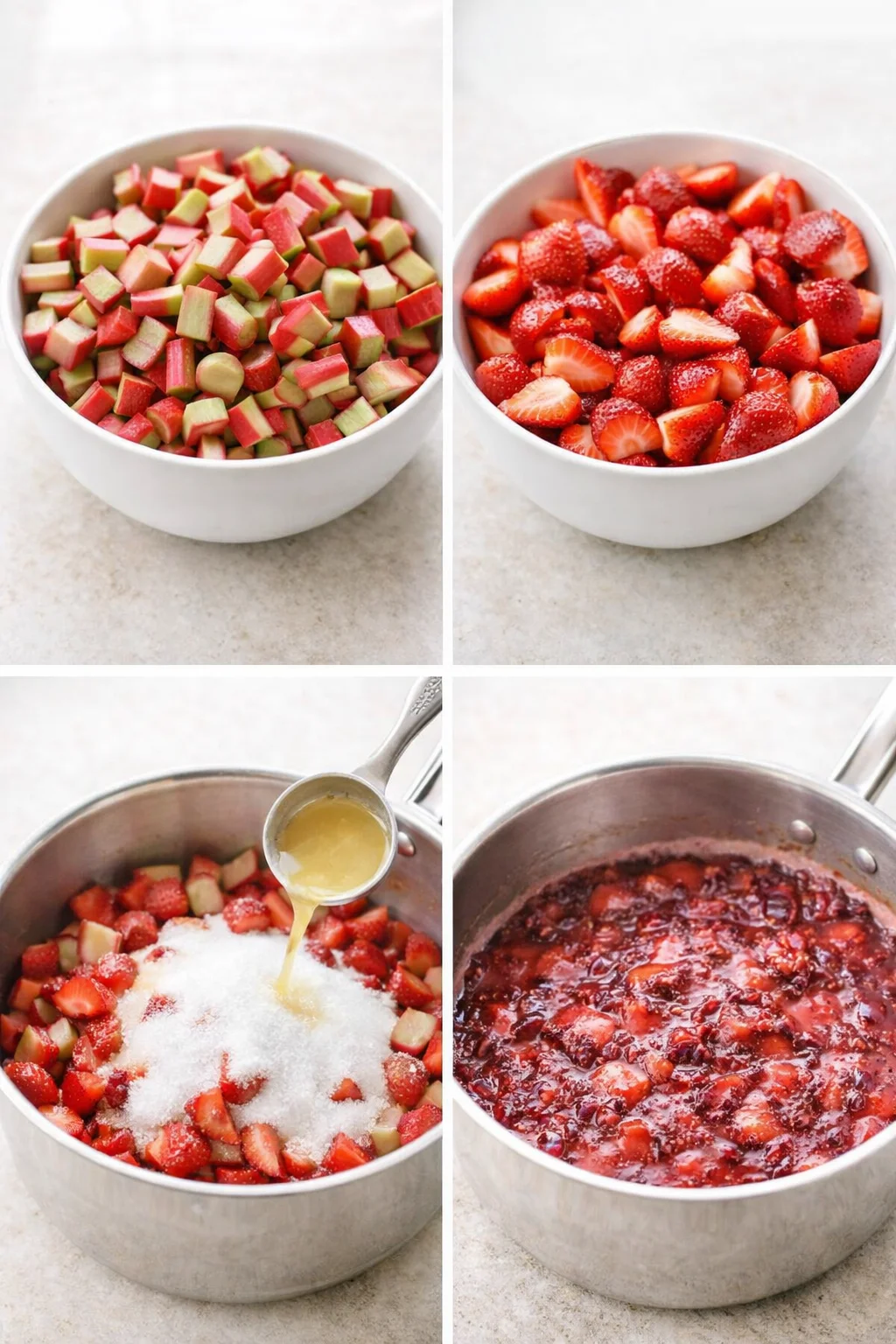
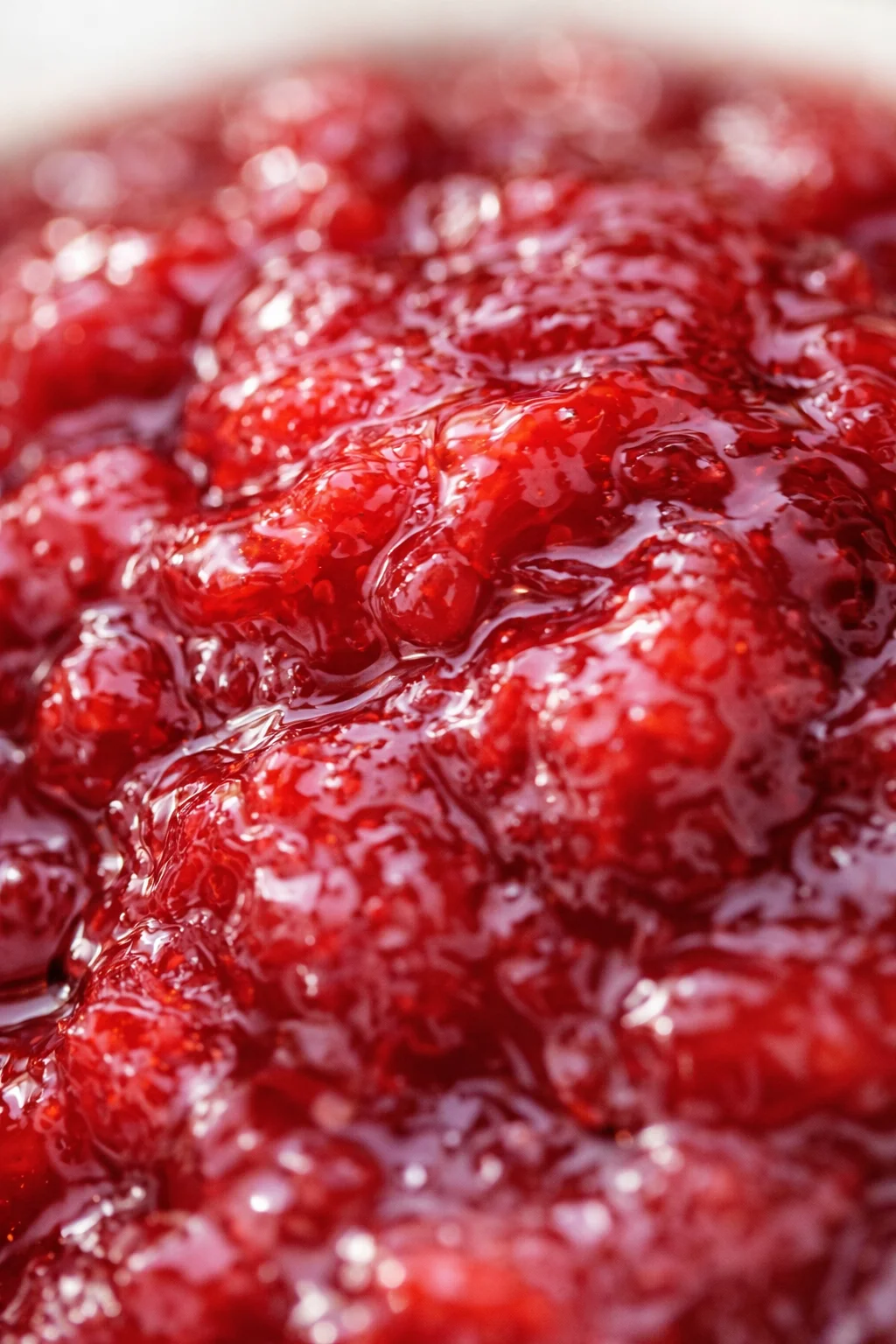
- Cook, stirring occasionally, until the jam thickens and reaches at least 220°F, about 1 hour.
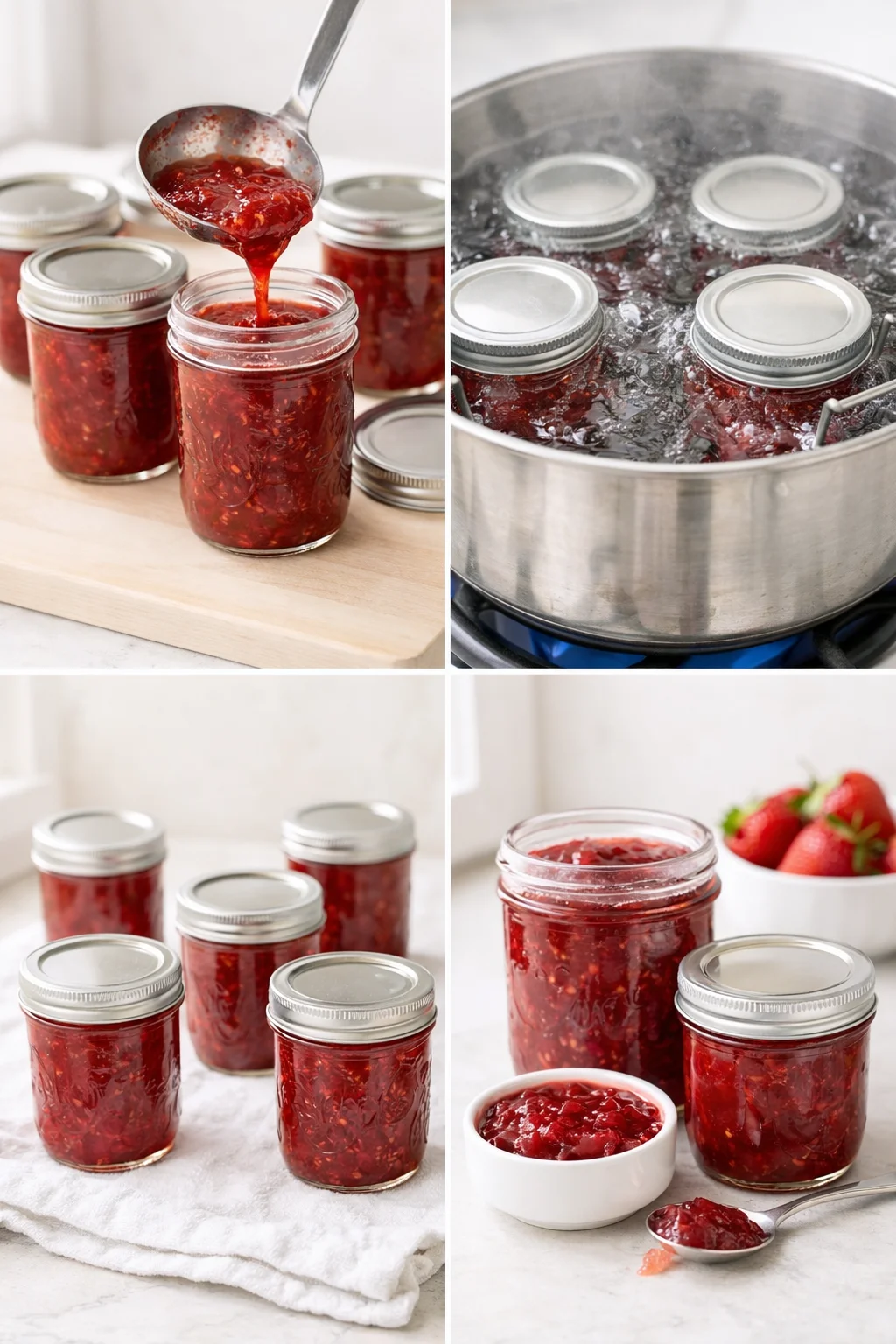
- While the jam is simmering, sterilize jars and lids by boiling the jars for 10 minutes or running them through the dishwasher.
- Place sterilized jars, lids, and bands on a clean towel to dry.
-
Bring a large pot of water to a rolling boil with a lid, with enough water to cover jars by at least 1 inch when lowered in.

- Fill each jar with hot jam, leaving about 1/4 inch headspace; place lids on and screw rings just tight enough to hold.
- Carefully lower the filled jars into the rolling boil and process for 10 minutes.
- Remove jars from the water, set them at least 1 inch apart on a towel, and let them cool undisturbed for 24 hours to seal.
-
If not canning, spoon the finished jam into clean glass mason jars; refrigerate and use within 2 weeks, or for freezing leave 1/4″–1/2″ headspace and freeze (best within 6 months).
Expert Tips for Best Results
- The jam’s success really hinges on picking good fruit. I love using Oregon Hood strawberries—they’re some of the best. For rhubarb, look for deep red coloring and firm, thick stalks for the best flavor and texture; if you’re new to working with it, this guide to preparing, storing, and freezing rhubarb can help.
- If your strawberries are a bit on the tart side, feel free to add a little extra sugar to balance things out.
- Fresh squeezed lemon juice is my go-to, but if you need to, bottled lemon juice works in a pinch.
- The jam’s overall quality depends heavily on your fruit choices. Using the best strawberries and rhubarb will pay off in flavor.
- If your strawberries aren’t very sweet, don’t hesitate to add a touch more sugar to make the jam shine.
- Fresh lemon juice really amps up the flavor and helps the jam set, but bottled works if that’s what you’ve got. For a deeper dive into setting jam without commercial pectin, see this rhubarb jam made without pectin.
Flavor Tweaks and Substitutions

Ready to mix it up? Here are some easy flavor tweaks and swaps that play nicely with this jam’s method:
- More strawberry: Pump up the strawberries and tone down the rhubarb for a sweeter jam. If your berries are sweet, you can cut the sugar a bit, but remember this recipe depends on sugar for setting, so don’t reduce too much.
- All rhubarb: Use just rhubarb with the same amounts of lemon and sugar and cook to about 220°F for the right thickness. For a pectin-based approach, see this rhubarb jam with pectin recipe.
- Spiced twist: Stir in 1 teaspoon vanilla, a sprinkle of cinnamon, 1/2 to 1 teaspoon fresh grated ginger, or a splash of balsamic vinegar at the end of cooking for an exciting flavor lift.
- Citrus boost: Add a teaspoon of orange zest along with the lemon juice for a bright, fresh citrus note.
- Texture control: Want it chunkier? Mash less while cooking. Prefer smooth? Pulse with an immersion blender just before it’s done.
- Lower sugar option: If you want less sugar, try using a low-sugar or no-sugar pectin brand and follow its guidelines—this recipe’s sugar helps jam set without pectin, so results will vary. Or make a quick berry chia seed jam.
- Frozen fruit: Frozen strawberries (and rhubarb if you can find it) work perfectly fine and this recipe adapts just as well to frozen fruit as fresh.
How to Store and Preserve
Here’s the scoop on keeping your jam fresh and delicious for as long as possible:
- Refrigerate: Keep cooled jam in clean jars in the fridge and enjoy within 2 weeks.
- Freeze: Leave around 1/2 to 1 inch of headspace in your jars for expansion, label with the date, and freeze. The best flavor is within 6 months, but it’ll hold longer if you need.
- Water bath canning: Properly sealed jars stay good in a cool, dark spot for up to a year. If a jar doesn’t seal or looks odd, refrigerate and use within 2 weeks, or toss if it smells off.
- After opening: Treat open jars like refrigerated jam—use within 2 weeks.
- Thawing & reheating: Thaw frozen jam in the fridge overnight. To warm it up, gently heat a small amount on the stove over low heat or in short microwave bursts, stirring often. Only reheat what you’ll eat—don’t re-can or reprocess.
- Make-ahead: You can make jam ahead, refrigerate for short-term use, freeze, or water bath can for long storage. When canning, make sure the jam is hot going into sterilized jars, then follow the cooking and processing times outlined in our Strawberry Rhubarb Jam recipe for safety.
Common Questions About Yield & Storage
This recipe yields about 4 cups of tasty jam.
No canning planned? No worries! Your jam will keep in the fridge for a couple of weeks, but honestly, canning is fun and lets you enjoy your jam all year long—so why not give it a try? Or put a fresh jar to work in jam-filled Kolacky Cookies.
Here’s a little secret: I always prefer to use fresh, in-season fruit because it tastes amazing. But because this jam cooks the fruit down, using frozen strawberries or rhubarb doesn’t change the outcome at all.
Finding frozen rhubarb in stores can be tricky though.
So my best advice? When rhubarb is in season at your farmers’ market, grab as much as your freezer will hold and freeze it yourself. That way, you’re ready anytime you want homemade jam bliss—or to bake a classic strawberry rhubarb pie!

More in easy meals
Chewy Protein Chocolate Chip Cookies
double chocolate chip cookies