Spring Pasta Primavera

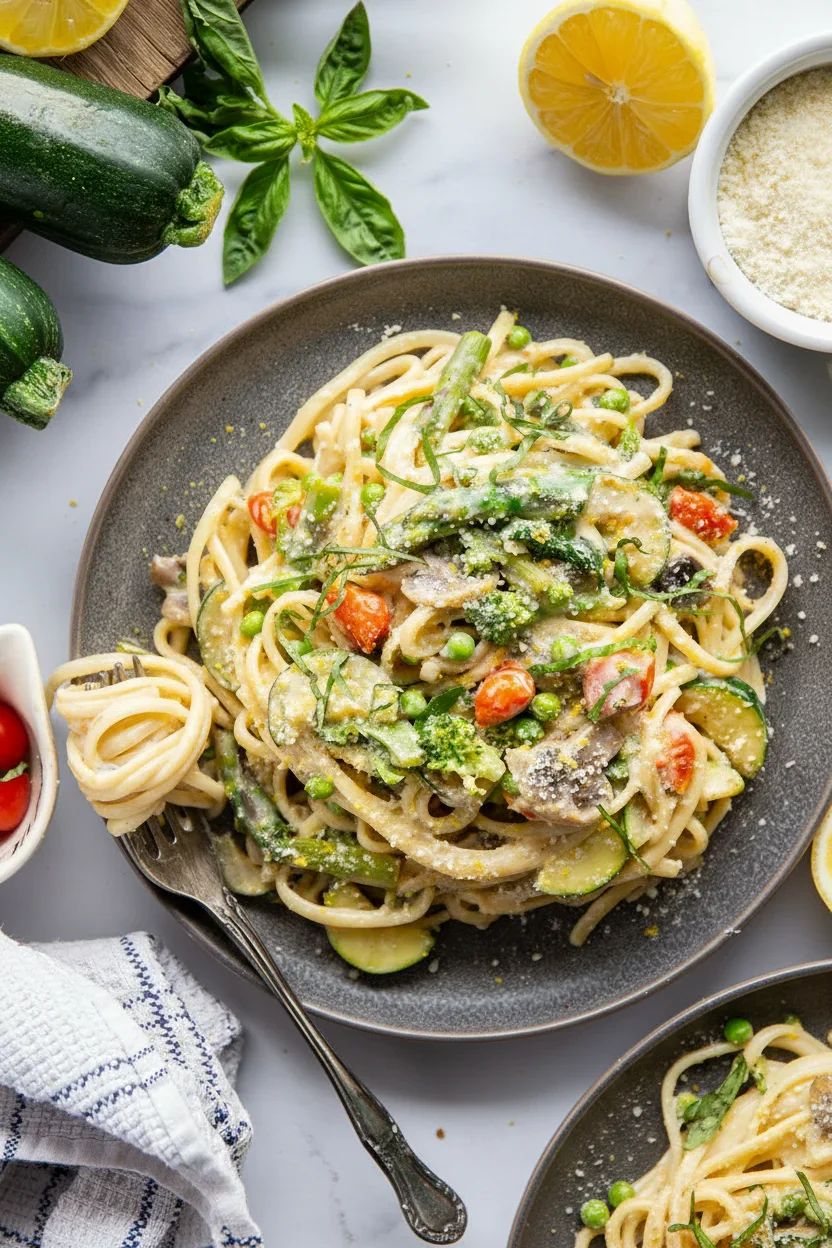
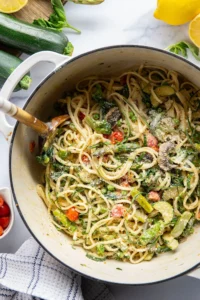
This spring pasta primavera is bursting with a colorful mix of fresh veggies and coated in a rich, creamy Parmesan sauce. It’s quick to make, gorgeous to serve, and perfect for any dinner occasion.
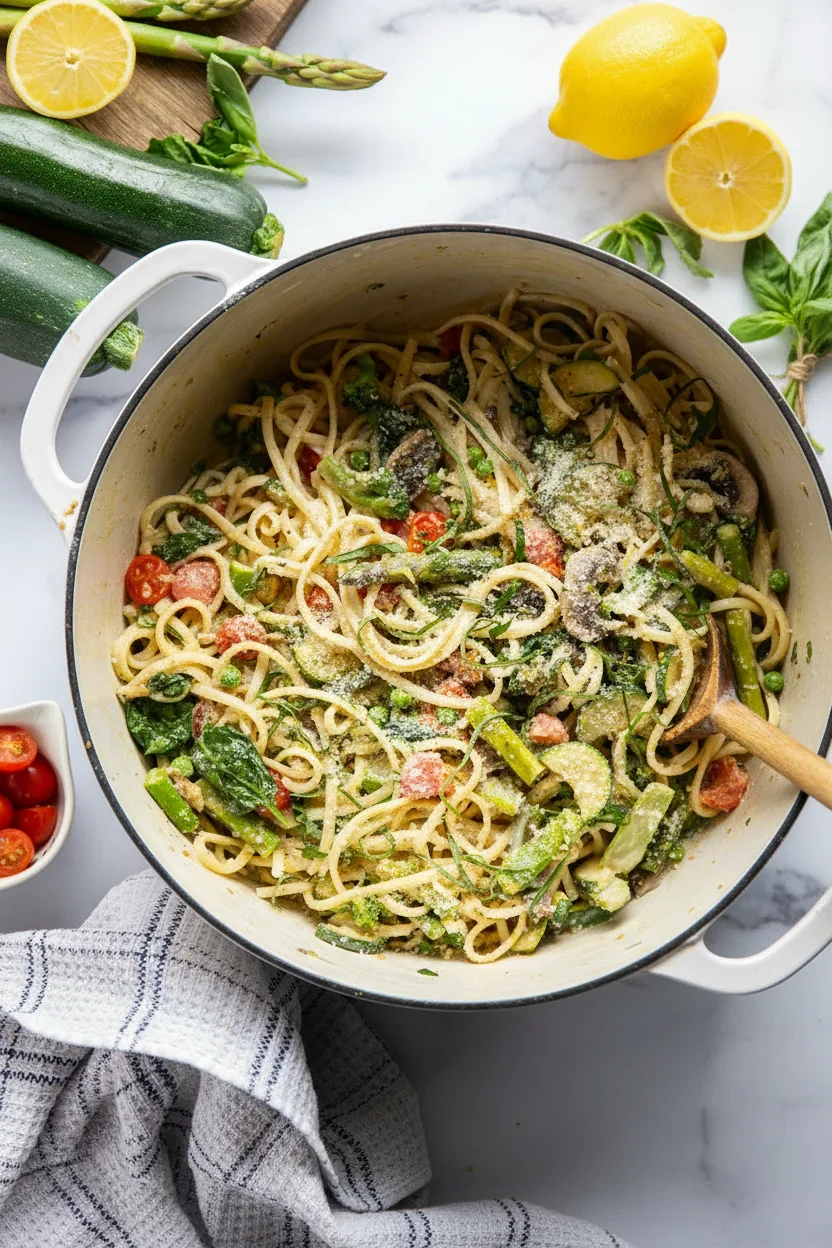
Pasta dishes like this one just scream springtime. A vibrant mix of veggies that look like a rainbow on your plate makes this meal feel both fresh and hearty.
If you’ve never given pasta primavera a whirl at home, you’re in for a real treat. I’m about to share your next favorite weeknight pasta recipe.
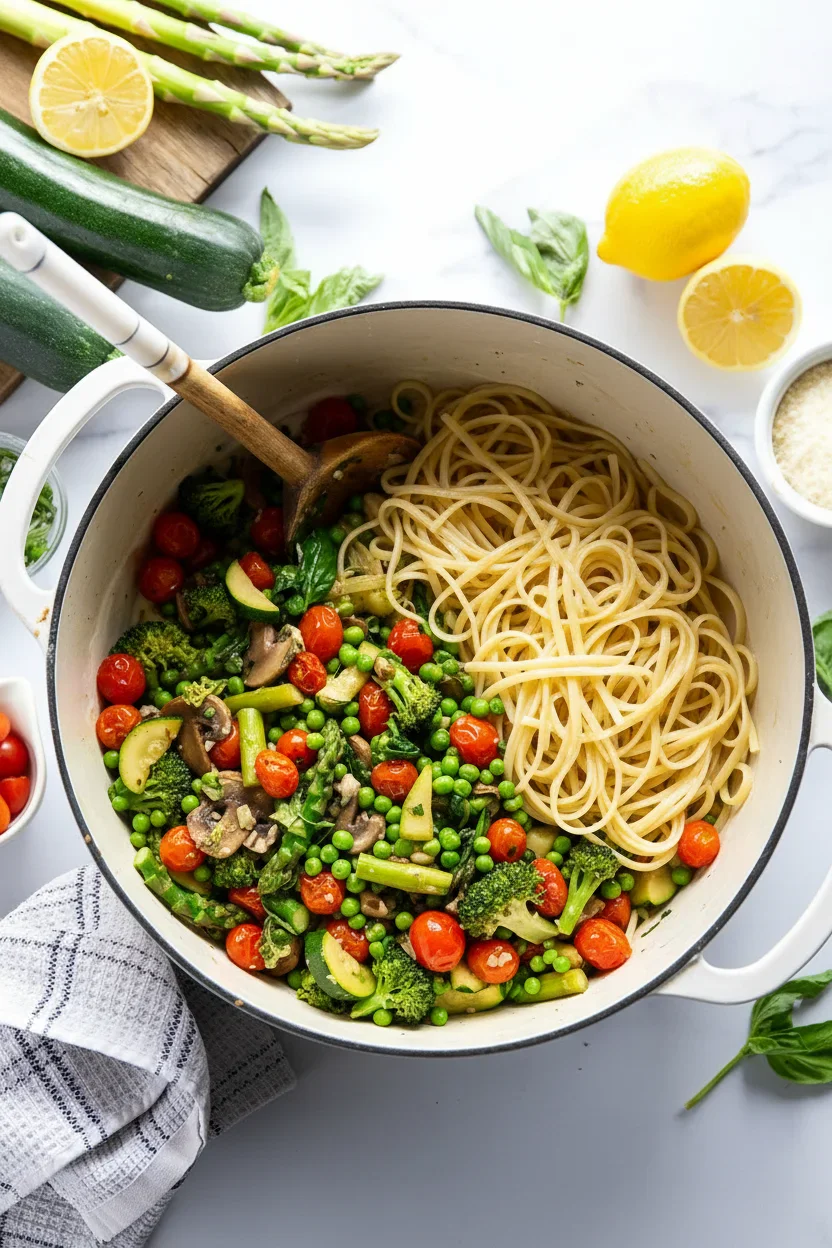
The beauty of pasta primavera is how flexible it is. Use whatever veggies you have tucked in your fridge—this recipe will come out delicious no matter what combination you choose. Really, it’s like a veggie celebration in every bite!
Trust me, once you try it, this might just become your pasta obsession.
This Pasta Primavera features…
- Sauteed asparagus, broccoli, zucchini, mushrooms, cherry tomatoes, spinach, and peas
- A light and creamy lemon basil Parmesan sauce
- Tender fettuccine pasta
Why You’ll Love This Spring Pasta Primavera
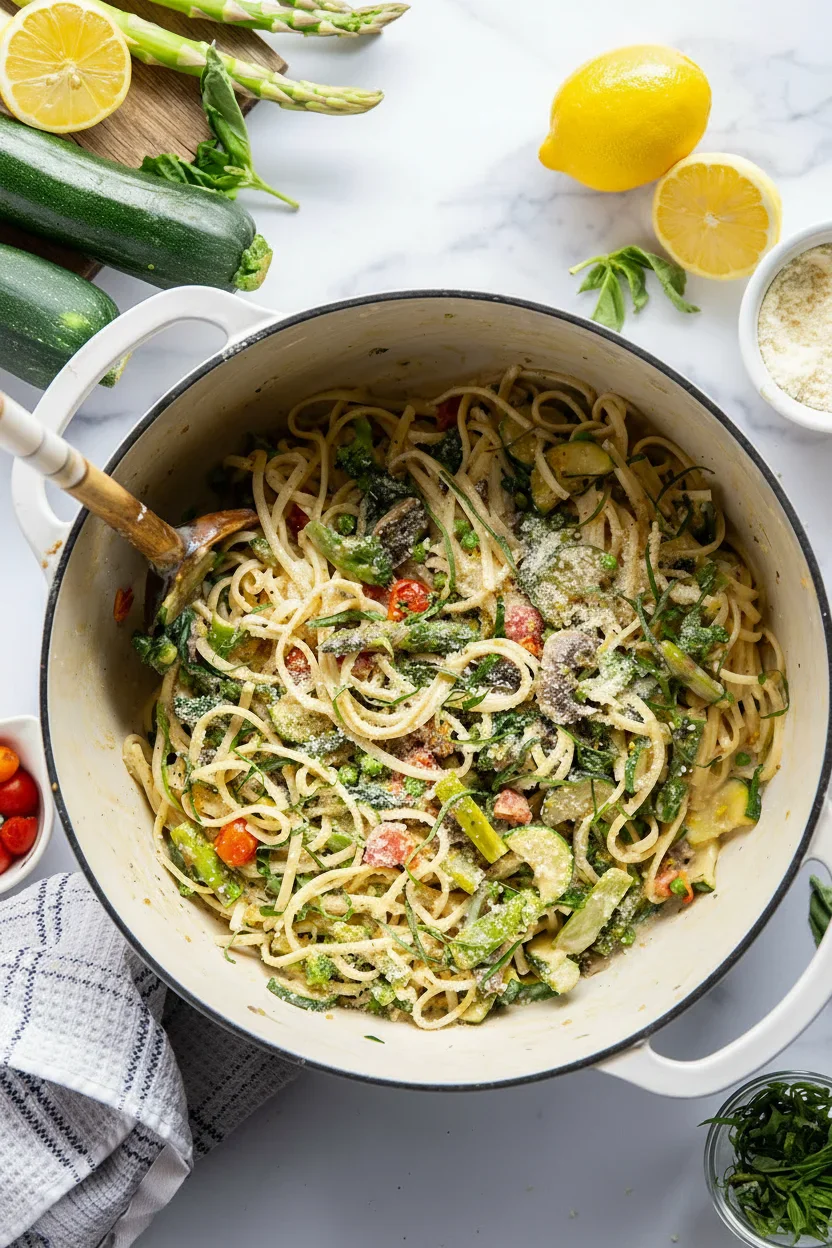
This pasta primavera strikes the perfect balance between fresh veggies and cozy comfort food. The colorful spring vegetables swim in a creamy lemon-basil Parmesan sauce that’s bright and satisfying. You’ll want to make this dish over and over, thanks to its flavor, flexibility, and wholesome feel.
- Vegetable-forward & super flexible: With asparagus, broccoli, zucchini, mushrooms, peas, spinach, and cherry tomatoes, this pasta is filling without being heavy. Plus, you can switch veggies depending on what you’ve got at home or what’s fresh at the market.
- Flavor that pops: The lemon zest and fresh basil brighten up the rich Parmesan cream sauce so every bite tastes fresh yet indulgent.
- Easy to make and personalize: With simple skillet cooking, a quick cream sauce, and pasta tossed to al dente perfection, this dish comes together without fuss. Want to shake things up? Swap pasta shapes, stir in chicken or bacon, or try different cheeses.
- Looks restaurant-worthy but feels like home: This dish is beautiful enough to wow guests, yet it’s made from everyday ingredients and doesn’t require fancy skills. For a true trattoria feel, serve it with copycat Olive Garden breadsticks.
- Consistently great results: Small touches—like using fresh Parmesan, reserving pasta water, and adding herbs at the end—make sure the sauce clings beautifully and the veggies stay bright and tender.
Give it a try — that mix of fresh spring veggies and creamy lemon-basil Parmesan sauce will have you hooked. One bite and you’ll see why it earns a spot in your regular pasta lineup.
Making the Pasta Primavera
(See the full recipe at the bottom of the post)
Ingredients You Will Need
- Olive oil
- Asparagus
- Broccoli
- Mushrooms
- Zucchini
- Garlic
- Cherry tomatoes
- Baby spinach
- Frozen peas
- Fettuccine pasta
- Unsalted butter
- All-purpose flour
- Heavy whipping cream
- 2% or skim milk
- Parmesan cheese
- Lemon zest
- Basil
Choosing Your Vegetables
This dish is all about celebrating a rainbow of vegetables. You can load up with as many—or as few—as you like. The best thing? Almost any vegetable will work!
My go-to combo includes spring’s classics: asparagus, broccoli, peas, spinach, zucchini, mushrooms, and cherry tomatoes. But really, you can get creative with what’s fresh or what you have on hand. Sweet peppers, snow peas, kale, shallots, or green beans would all be fantastic swaps or additions.
Tips for Perfect Pasta Primavera
- Cut vegetables evenly – Cutting veggies to uniform sizes helps them cook evenly, so no one bites into mushy broccoli or undercooked asparagus.
- Sauté the veggies – Cook asparagus, broccoli, zucchini, and mushrooms first until tender but still vibrant. Avoid overcrowding the pan; the same approach yields silky results in buttered sautéed leeks.
- Add quick-cooking veggies later – Garlic, spinach, cherry tomatoes, and peas don’t need long to cook, so stir them in at the end to keep their freshness and color.
- Freshly grate your Parmesan – It melts so much better and builds that silky sauce you’re craving.
- Cook pasta just until al dente – It should have a slight bite because it’ll keep cooking as you toss it in the sauce.
- Reserve some pasta water – Save a bit of the starchy water; it’s magic for loosening the sauce and helping it stick to the noodles and vegetables.
- Add basil and lemon zest last – These bring a bright, fresh finish that really wakes up the dish. For serving, a slice of garlic bread is perfect for mopping up the sauce.
Recipe Variations
Feel like mixing things up? Here are some fun ways to change this primavera recipe.
- Try new pasta shapes – Penne, rigatoni, fusilli, or shells would all be great with this sauce.
- Add a protein boost – Crispy bacon, grilled chicken, or sautéed shrimp work beautifully here for a heartier meal.
- Swap the cheese – Give Asiago or Pecorino Romano a whirl instead of Parmesan for a different flavor twist.
- More herbs, please – Fresh dill, parsley, or chives add a lovely herbal note alongside basil.
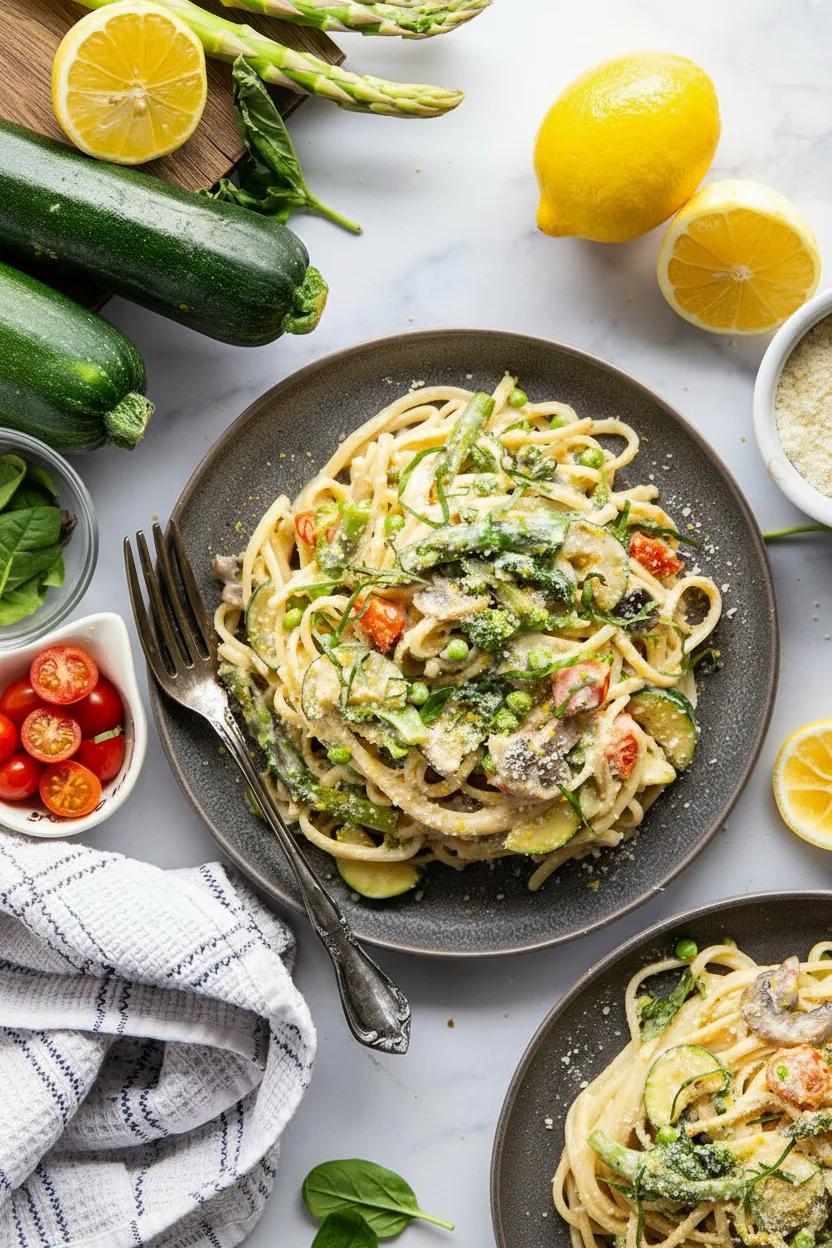
Trust me, one forkful of this primavera and you’ll ditch ordering it from restaurants! The veggies keep it light and hearty, while the lemon basil cream sauce adds just the right touch of indulgence.
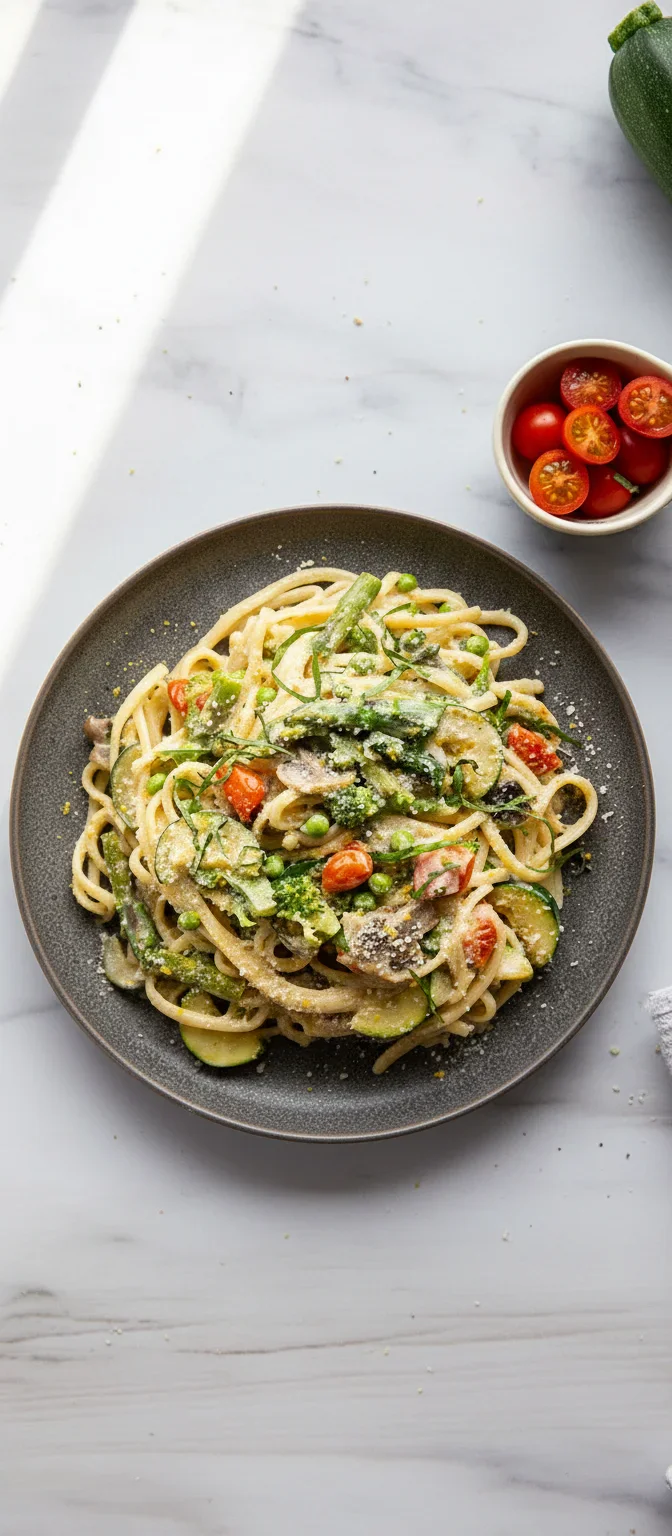
Don’t forget the final step—the mountain of fresh Parmesan on top makes all the difference.
Storage, Make‑Ahead & Reheating
Got leftovers? No worries. Let the pasta come to room temperature within two hours, then pop it into an airtight container and refrigerate. It will keep well for about 3 to 4 days. If you really want to freeze it, remember that creamy sauces don’t always freeze neatly—the texture might change. Freeze only if necessary, and thaw it gently overnight in the fridge before reheating.
Planning ahead? You can prep the veggies and lemon-basil Parmesan sauce a day ahead and keep them separate from the pasta. Cook the fettuccine al dente, toss it with a little olive oil to stop sticking, and store it on its own. Hold off on adding fresh basil, lemon zest, and extra Parmesan until right before serving so the flavors pop.
Here’s how I like to reheat:
- On the stove (my favorite): Warm a skillet over medium-low heat, add your pasta and veggies, then splash in 2–4 tablespoons of reserved pasta water (or milk/cream). Toss gently until warmed through and the sauce loosens and coats everything well. Finish with fresh basil, lemon zest, and plenty of Parmesan.
- Microwave: Place a portion in a microwave-safe bowl, add a tablespoon or two of milk or water, cover loosely, and heat in 30-second bursts at medium power, stirring in between, until hot and creamy.
- Oven (for a baked-style meal): Transfer to an oven-safe dish, add some liquid, cover, and bake at 350°F (175°C) for 15–20 minutes. Pull the cover off near the end, then sprinkle on fresh Parmesan and basil before serving.
Quick tip: If your sauce looks a little grainy or separated after reheating, stirring in a little warm milk or butter usually brings it back to that perfect creamy texture. Always add your fresh herbs, lemon zest, and extra Parmesan last for vibrant flavor and color.
FAQ — Common questions about this Spring Pasta Primavera
Can I swap out the vegetables?
Totally! That’s the beauty of primavera. Feel free to swap, add, or skip veggies based on what you have. Sweet peppers, green beans, snow peas, shallots, or baby kale are all great choices. Just try to cut veggies to a similar size so they cook evenly.
Is there a dairy-free or vegan alternative?
Yes, absolutely. Use vegan butter or a neutral oil instead of butter and swap the heavy cream for plant-based cream or full-fat coconut milk (or blend silken tofu). Replace Parmesan with vegan cheese or nutritional yeast. Note that the flavor and creaminess will be a bit different, but still delicious.
Can I make this gluten-free?
Sure! Use gluten-free pasta instead of fettuccine, and swap all-purpose flour with a gluten-free flour blend or use a cornstarch slurry (cornstarch mixed with cold milk) to thicken the sauce. For a naturally gluten-free side, consider serving it with Brazilian cheese bread.
How do I keep the vegetables crisp and not soggy?
Cut veggies evenly, avoid overcrowding the pan, and sauté over medium-high heat until just tender. Add the delicate veggies like spinach, peas, and cherry tomatoes right at the end to preserve their color and texture.
What if my sauce is too thick or too thin?
If it’s too thick, loosen it with a splash of reserved pasta water or milk. If too thin, gently simmer until it thickens or stir in a bit more grated Parmesan to enrich and thicken it.
Can I add protein to make it more filling?
Yes! Diced cooked chicken, grilled shrimp, or crispy bacon bits stirred in before serving are fantastic additions that pair perfectly with the lemon-basil Parmesan sauce.
Can I prepare this dish ahead of time?
You can prep the veggies and sauce up to one day in advance. Keep them refrigerated separately from the pasta. Reheat gently on the stove, loosen the sauce with a splash of milk or pasta water, then toss with freshly cooked or reheated pasta just before serving.
What’s the best way to reheat leftovers?
Stovetop reheating is best — warm over low heat with a little milk or reserved pasta water to keep the sauce creamy. The microwave works if you’re in a rush; just stir halfway through and add some liquid to maintain creaminess.
Is freezing this pasta a good idea?
Since the sauce is creamy, freezing the combined pasta can change the texture. If freezing, do it separately: freeze the vegetables and sauce on their own and the pasta separately. Thaw and reheat gently to bring it back to life. Frozen, sauced pasta isn’t usually as good as freshly made.
How many servings does this recipe make?
This recipe yields a hearty main dish, perfect for a family dinner, serving multiple people comfortably. It scales well if you need to feed a bigger crowd too! For larger gatherings, pair the pasta with pull-apart garlic bread for easy sharing.
PrintA vibrant and creamy spring pasta primavera loaded with fresh veggies like asparagus, broccoli, zucchini, mushrooms, cherry tomatoes, spinach, and peas, all tossed in a lemon basil Parmesan sauce and served with fettuccine pasta.
- Total Time: 40 minutes
- Yield: 4-6 servings 1x
Ingredients
- 2 tablespoons olive oil
- 1 bunch asparagus, trimmed and cut into 1-inch pieces
- 1 small head broccoli, cut into florets
- 1 medium zucchini, sliced
- 8 ounces mushrooms, sliced
- 3 cloves garlic, minced
- 1 cup cherry tomatoes, halved
- 2 cups baby spinach
- 1 cup frozen peas, thawed
- 12 ounces fettuccine pasta
- 2 tablespoons unsalted butter
- 2 tablespoons all-purpose flour
- 1 1/2 cups heavy whipping cream
- 1/2 cup 2% or skim milk
- 1 cup freshly grated Parmesan cheese, plus more for serving
- Zest of 1 lemon
- 1/4 cup fresh basil leaves, chopped
- Salt and pepper to taste
Instructions
- Cook the fettuccine pasta in salted boiling water according to package instructions until al dente. Reserve 1/2 cup pasta water and then drain pasta. Toss pasta with a little olive oil to prevent sticking and set aside.
- In a large skillet, heat olive oil over medium-high heat. Add asparagus, broccoli, zucchini, and mushrooms. Sauté for about 5-7 minutes until veggies are tender but still vibrant. Season with salt and pepper.
- Add garlic, cherry tomatoes, baby spinach, and peas to the skillet. Stir and cook for 2-3 minutes until the delicate veggies are just wilted and heated through.
- In a separate saucepan, melt butter over medium heat. Stir in flour and cook for 1-2 minutes until lightly golden, whisking continuously to form a roux.
- Slowly whisk in the heavy cream and milk, continuing to whisk until sauce thickens, about 3-5 minutes.
- Remove the sauce from the heat and stir in grated Parmesan cheese until melted and smooth. Add lemon zest, chopped basil, and season with salt and pepper to taste.
- Add the cooked pasta to the skillet with the veggies and pour the Parmesan cream sauce over. Toss gently to combine, adding reserved pasta water a little at a time to loosen the sauce and help it cling to the pasta and vegetables.
- Serve immediately topped with extra freshly grated Parmesan cheese and additional basil if desired.
Notes
Cut vegetables evenly to ensure even cooking., Add quick-cooking veggies like spinach and tomatoes towards the end to keep their freshness and color., Reserve pasta water to adjust sauce consistency and help the sauce cling to pasta., Freshly grate Parmesan cheese for better melting and flavor., You can swap pasta shapes or add proteins like grilled chicken, shrimp, or crispy bacon., For dairy-free or vegan options, use plant-based butter, cream, and cheese substitutes., To keep leftovers fresh, store pasta and sauce separately if possible and reheat gently with added liquid to maintain sauce creaminess., Sauces with cream do not freeze well; freeze pasta and sauce separately if needed.
- Prep Time: 20 minutes
- Cook Time: 20 minutes
- Category: Main Course
- Cuisine: Italian-inspired
Nutrition
- Serving Size: 1 serving
- Calories: Approximately 450 calories per serving
- Fat: 18 grams per serving
- Carbohydrates: 55 grams per serving
- Protein: 15 grams per serving
More in Side Dishes
Crispy and Easy Zucchini Fritters
Cheesy Cauliflower Bake
Spring Pasta Primavera