Rhubarb Jam – No Pectin

Rhubarb Jam is a beloved springtime treat, whether you’ve grown it right in your own garden or spotted it fresh at the farmer’s market. Rhubarb is one of the earliest signs of spring in the garden, peeking up and ready to be enjoyed after that long cold winter.
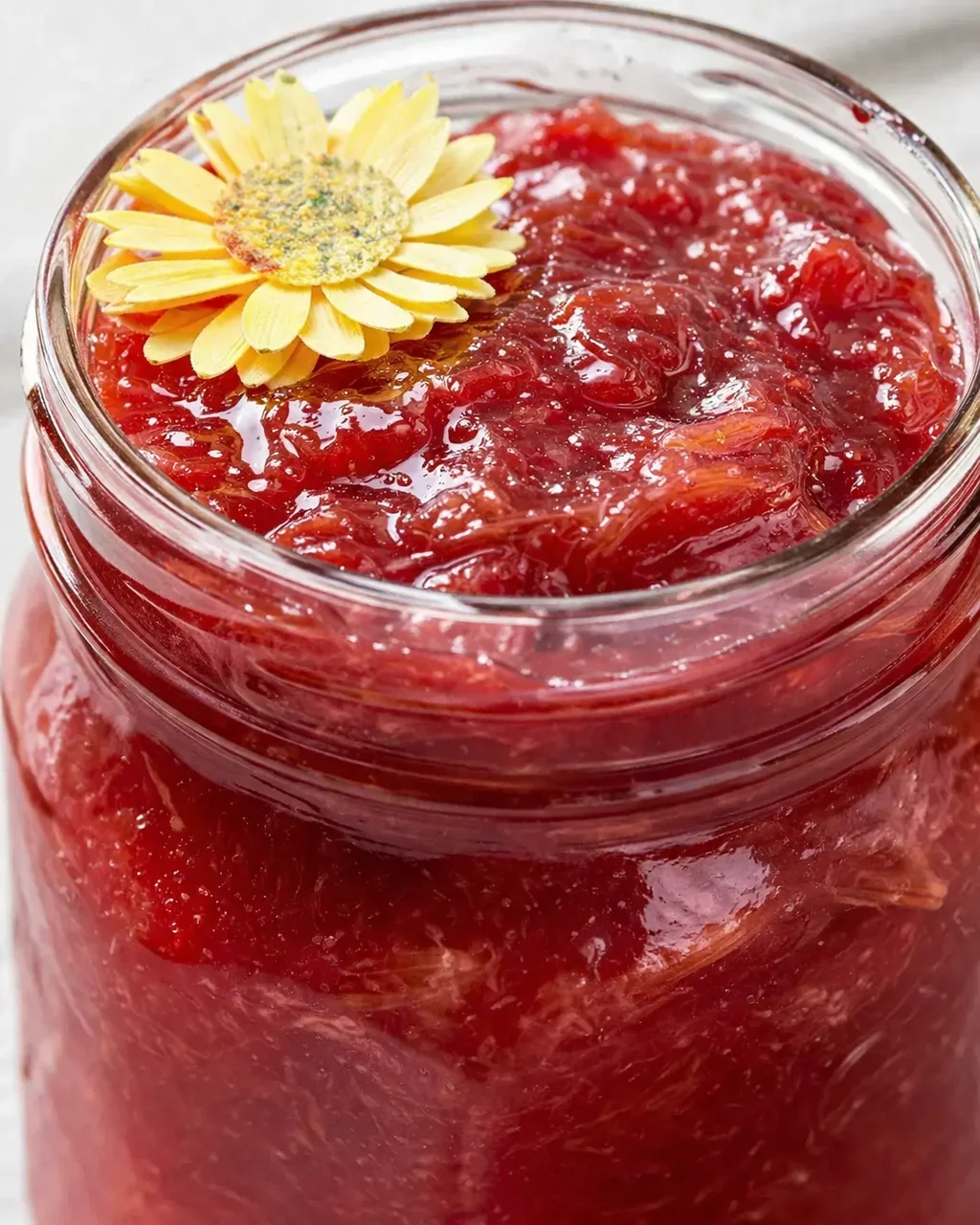
Here’s a fun fact for you: rhubarb isn’t actually a fruit—it’s a vegetable! But depending on how we cook and eat it, we tend to treat it like fruit. It’s one of those neat kitchen quirks that makes cooking fun.
Let’s celebrate spring with a fresh, easy rhubarb jam made with just two ingredients.
When spring arrives, nothing says the season quite like fresh rhubarb. Those bright, tart stalks are some of the first things to pop up after winter’s chill. Cooking them into jam feels like a little party, whether you pick your own or buy it fresh at the market.
This recipe is a gem: just two ingredients—rhubarb and sugar. No need for extra pectin here! It comes together in about 40 minutes total and yields around four 250 ml (8 oz) jars of jam. Below you’ll find a clear ingredient list and step-by-step directions that are easy to follow. Plus, I share tips for safe rhubarb handling (important!), storage advice whether you plan to refrigerate, freeze, or can your jam, some ideas to switch up the flavors, and answers to the most common questions I get about this recipe.
Quick facts:
- Super simple: just rhubarb and sugar—no pectin required.
- Fast to make: 10 minutes of prep, about 30 minutes cooking.
- Yields & storage: approximately four 250 ml jars; keeps in the fridge for about 3 weeks, or can be canned for up to a year; freezer-friendly too.
- Colour & tip: using pink or red rhubarb stalks will make your jam look gorgeous, and cooking it in stainless steel helps keep that color bright.
Keep scrolling for the full recipe with easy instructions, helpful notes on making bigger batches and preserving your jam, plus a friendly FAQ that will guide you through every step.
Bright Flavor, Minimal Fuss
This rhubarb jam is all about celebrating the simple, fresh flavor of rhubarb without any fuss. It uses just rhubarb and sugar—no extra pectin added—which lets that tart, fruity brightness really pop. Plus, it’s quick to whip up and easy to multiply if you find yourself with too much rhubarb. Craving the classic pairing? Try our Strawberry Rhubarb Jam recipe.
- Only two ingredients keep the flavor pure and fresh.
- No pectin needed—natural fruit pectin and cooking time create a lovely, jammy texture.
- Ready in around 40 minutes total: 10 to prep and 30 to cook.
- Super versatile—spread it on toast or scones, drizzle it over waffles, serve it with pork or salmon, or pair with sharp cheese and crackers for a tasty appetizer.
- Works great with freezing and canning: makes about four 250 ml (8 oz) jars; store in the fridge for a few weeks or process for long-term shelf storage. For tips on preparing, storing, and freezing rhubarb, see our in-depth guide.
- For the brightest color, go for pink or red rhubarb stalks—but any color tastes great.
- Light on calories—just 21 kcal for 2 tablespoons, making it a guilt-free treat.
Simple Ingredients
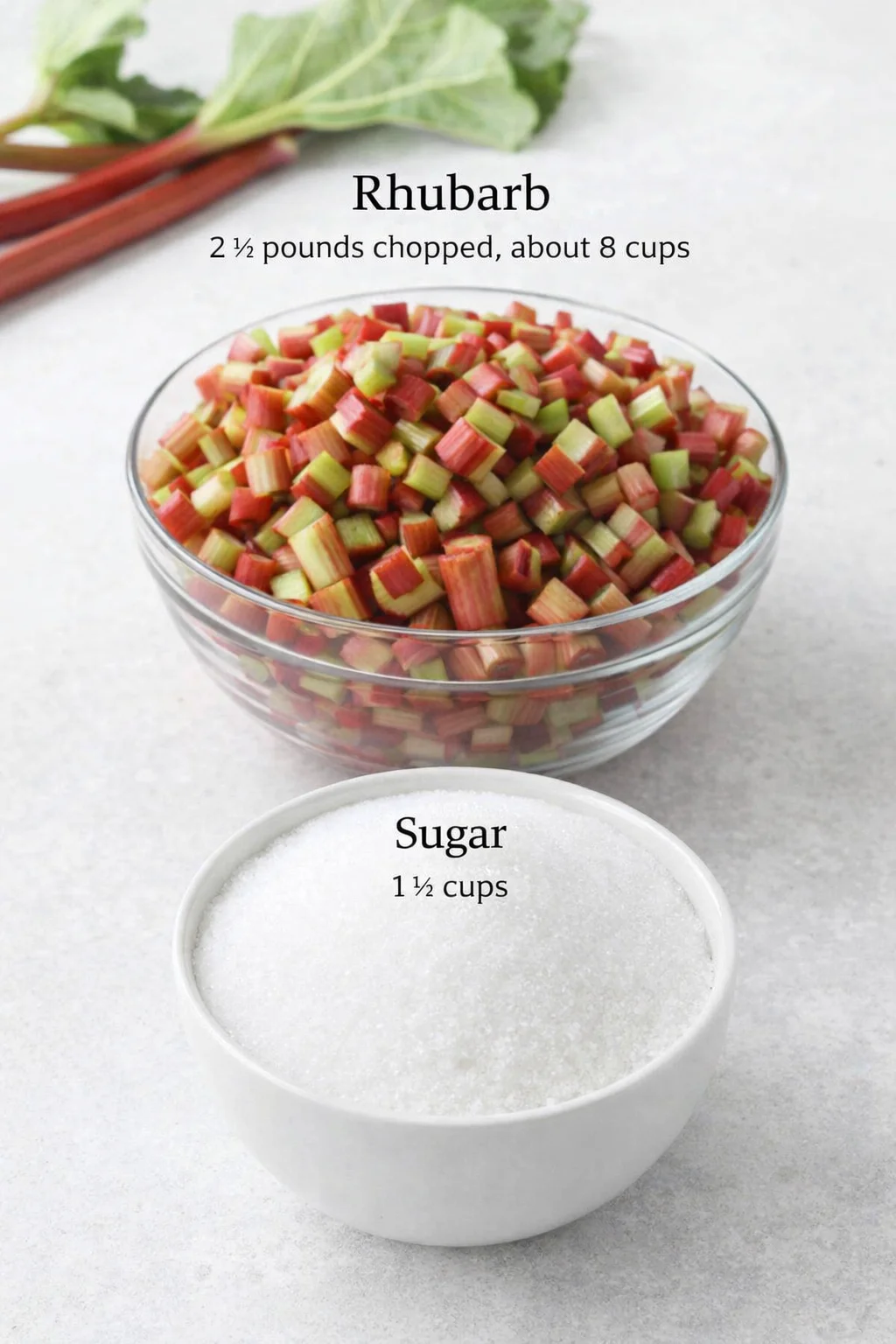
- 2 ½ pounds rhubarb stalks, chopped, about 8 cups
- 1 ½ cups sugar
Step-by-Step Jam Method
- Discard rhubarb leaves and use stalks only.
- Chop rhubarb stalks into pieces.
- Toss chopped rhubarb and sugar into a glass or stainless steel bowl and stir to combine.
-
Let mixture sit until the sugar dissolves and the rhubarb releases juice (a few hours at room temperature or overnight in the fridge).
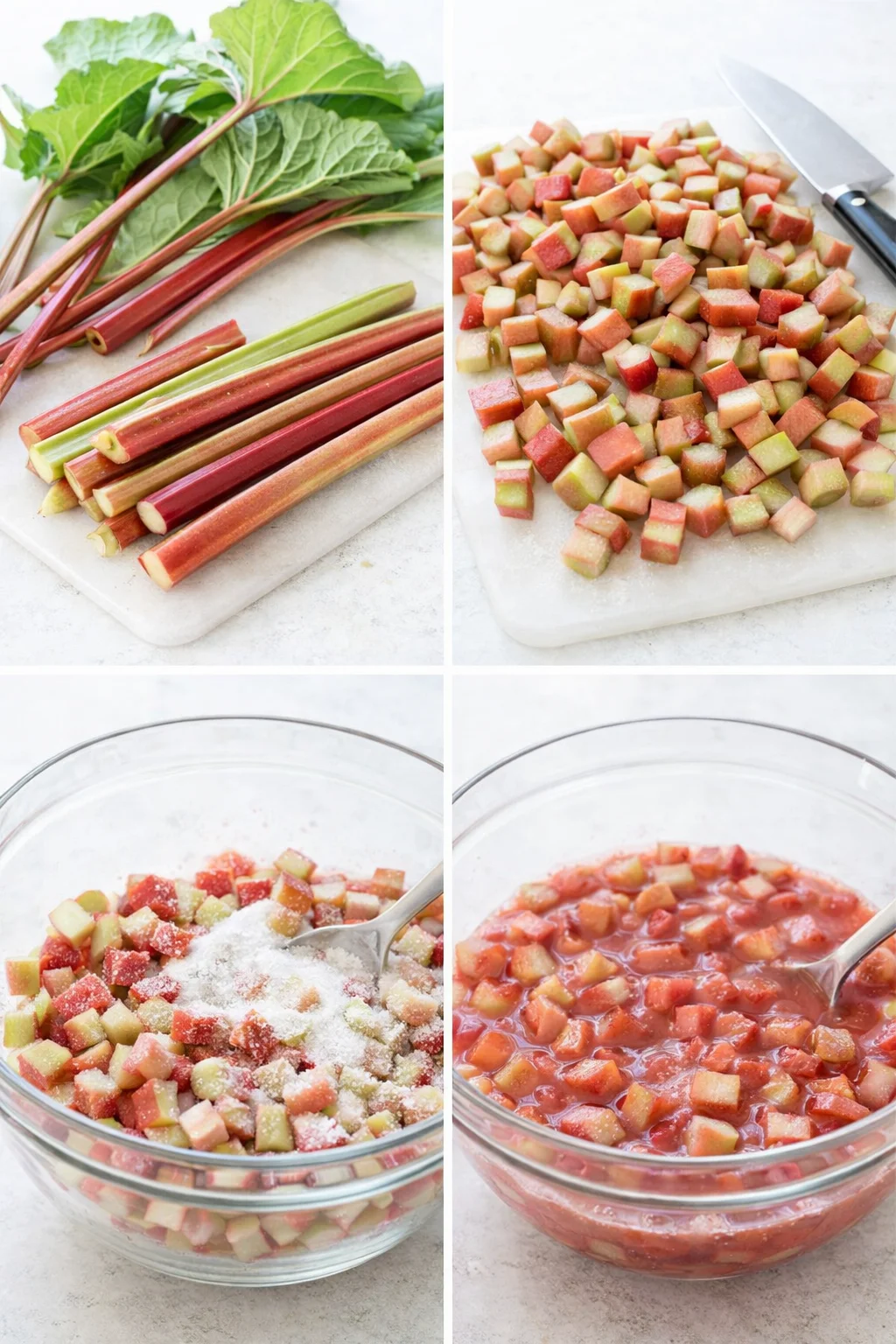
- Transfer the mixture to a stainless steel pot (avoid cast iron, enamel, copper, or aluminum).
- Heat over medium-high, stirring occasionally, until it reaches a boil.
- Reduce heat to medium-low and cook, stirring occasionally, until the jam thickens and the rhubarb breaks down, about 30 minutes.
-
Let the jam cool slightly, then spoon it into jars.
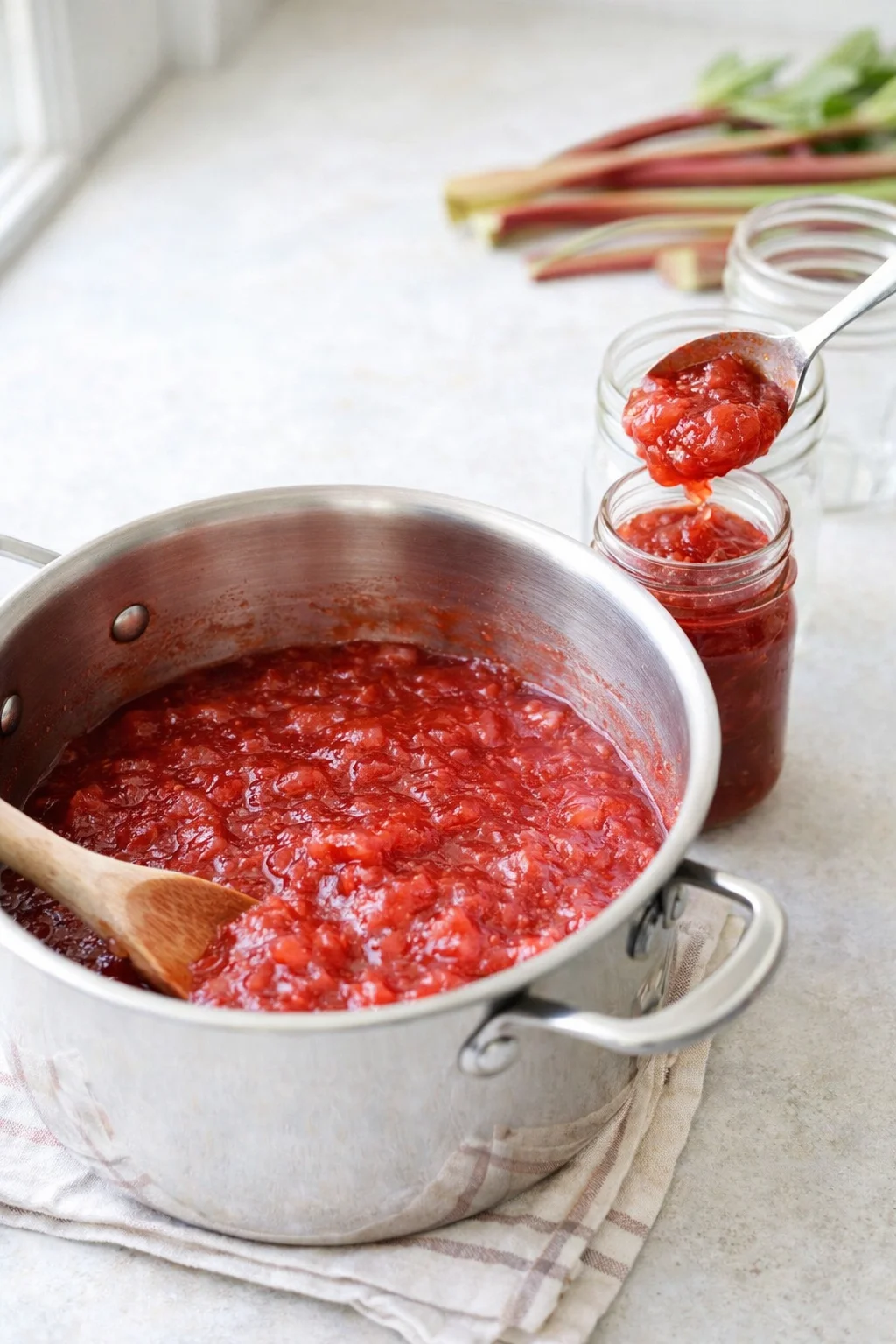
Rhubarb Safety and Handy Tips
Each spring, we get excited to see rhubarb emerge in the garden. But just a heads-up: those big green leaves? They’re poisonous! Rhubarb leaves hold a high amount of oxalic acid, which can be toxic. So even though the leaves might look like beet greens or Swiss chard, don’t eat them—stick to the stalks only.
Handy tip: Trim and discard the leaves as soon as you harvest, then wash and chop the stalks. Put them to good use—try a tangy rhubarb relish or bake a cozy British rhubarb crumble.
Flavor Variations and Mix-Ins
Once you’ve made your first batch of homemade jam, the door opens to endless delicious possibilities. Jamming is such a fun way to capture the season’s best flavors—try a quick chia seed jam for weeknights or spoon your favorite batch into Kolacky Cookies for an easy treat. Here are some favorites I love to make or dream about:
- Apricot Jam—sweet and golden.
- Spiced Plum Jam—with warm, cozy spices.
- Homemade Grape Jelly—classic and smooth.
- Pepper Jelly—for a sweet-and-spicy kick.
- Pear Jelly—mild and delicate.
Storing, Freezing, and Shelf Life
A little while back, I made strawberry rhubarb muffins and was itching to use more rhubarb while it’s fresh and abundant in the garden. But here’s a pro tip for you: rhubarb freezes like a charm! Just chop the stalks into 2-inch pieces, then lay them out on a parchment-lined baking sheet and freeze until firm. After that, pop them into airtight containers and keep in the freezer for up to a year. That means even if you have too much rhubarb in spring, you can still enjoy making jam or baking a Lemon Rhubarb Loaf well into winter.
And speaking of recipes, rhubarb isn’t just for jam! Ever tried a Rhubarb Gin & Tonic? It’s refreshingly tasty. Or a classic Rhubarb Crisp that’s perfect for dessert—or go rustic with a Rhubarb Tart with Oat Crust. Oh, and if you’ve never tasted Pickled Rhubarb, it’s definitely worth a try—a great tangy side for meals!
Answers to Common Questions
- Can I use green rhubarb stalks instead of red ones? Absolutely! Green stalks taste just as great, but your jam’s color will be less vibrant and more muted. If you want that pretty pink or red color, use red or pink stalks.
- Can I use frozen rhubarb? Yes, frozen rhubarb is just fine. Make sure to thaw it first so it releases plenty of juice; for more on working with frozen rhubarb, see Classic Rhubarb Crisp with Frozen Rhubarb. You can also use fresh rhubarb or previously frozen stalks as described above.
- Do I need to add pectin? Nope! This recipe relies on rhubarb’s natural pectin and cooking time to get that perfect jam texture. If you like a firmer jam, you could add commercial pectin following package instructions, but it’s not necessary here.
- Can I reduce the sugar? The sugar amount here balances the rhubarb’s tartness nicely and also helps with preserving. You can reduce it, but remember your jam will be less sweet and might not keep as long if canned. For fridge or freezer storage though, you have more freedom; if you want a very low-sugar, refrigerator-only option, try this easy berry chia seed jam method.
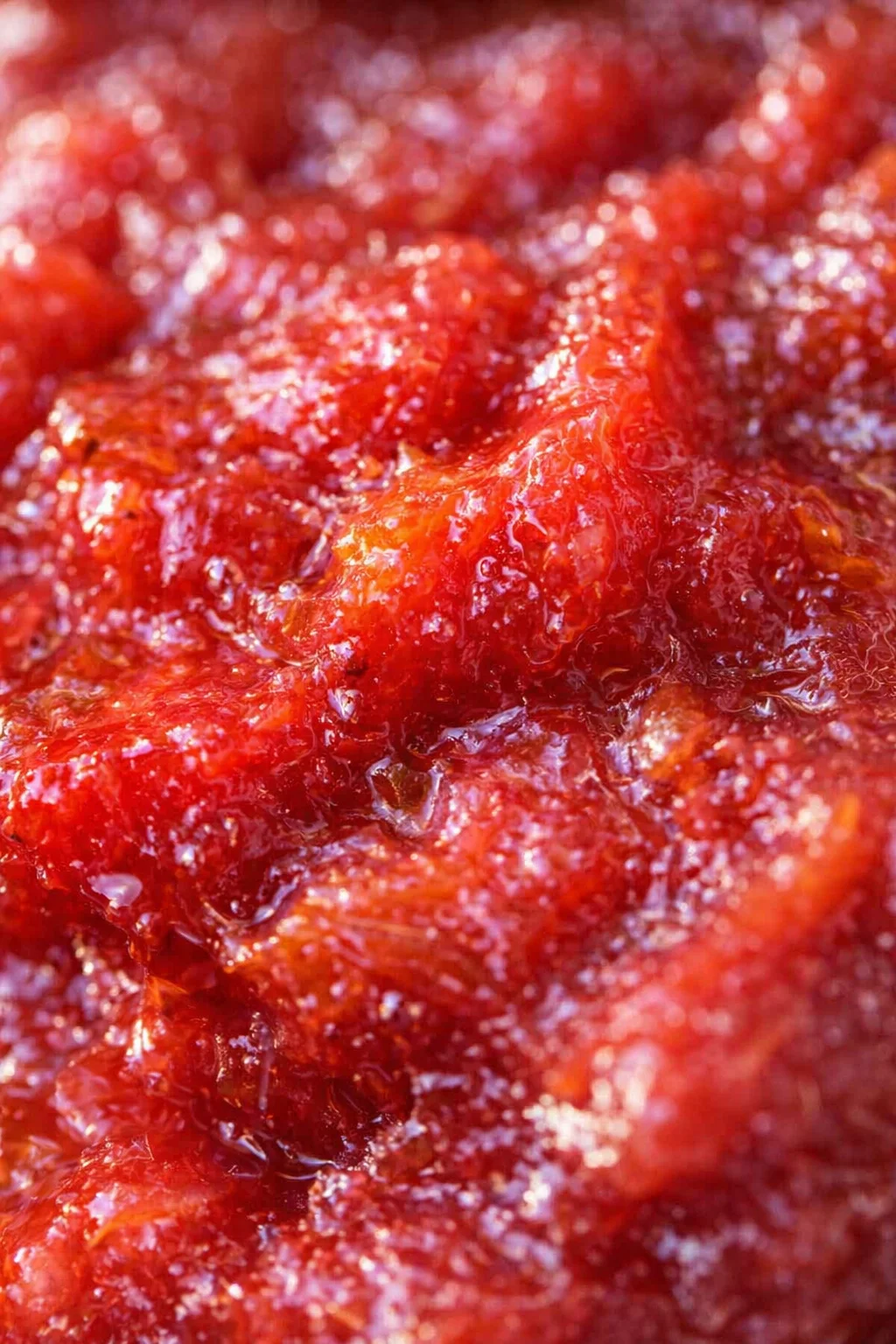
- How do I know when the jam is done? Your jam is ready when the rhubarb has softened into a thick jammy mixture after about 30 minutes on the stove. Test it by chilling a spoonful on a plate—you should see wrinkles when you push it with your finger.
- What cookware should I use, and how to store the jam? Use stainless steel pots to avoid any weird color changes. Your finished jam lasts about three weeks in the fridge. For long-term storage, process it in a boiling water bath for 10 minutes; sealed jars store up to a year. You can also freeze the jam with great results.
- How many jars will this make? You’ll get about four 250 ml (8 oz) jars from this recipe.
- Are rhubarb leaves safe to eat? No, don’t eat rhubarb leaves—they contain oxalic acid which is poisonous. Always discard the leaves and only use the stalks.
- Can I double or halve the recipe? Definitely! Just adjust your cooking vessels and processing times if making larger batches. Always follow canning safety rules for bigger quantities.
- What cookware should I avoid? Avoid cast iron, copper, aluminum, or reactive enamel pots as they can react with the jam and discolor it. Stainless steel is your best bet.
- What about nutrition and serving size? A serving here is 2 tablespoons, which has about 21 calories—light and lovely for a sweet treat.
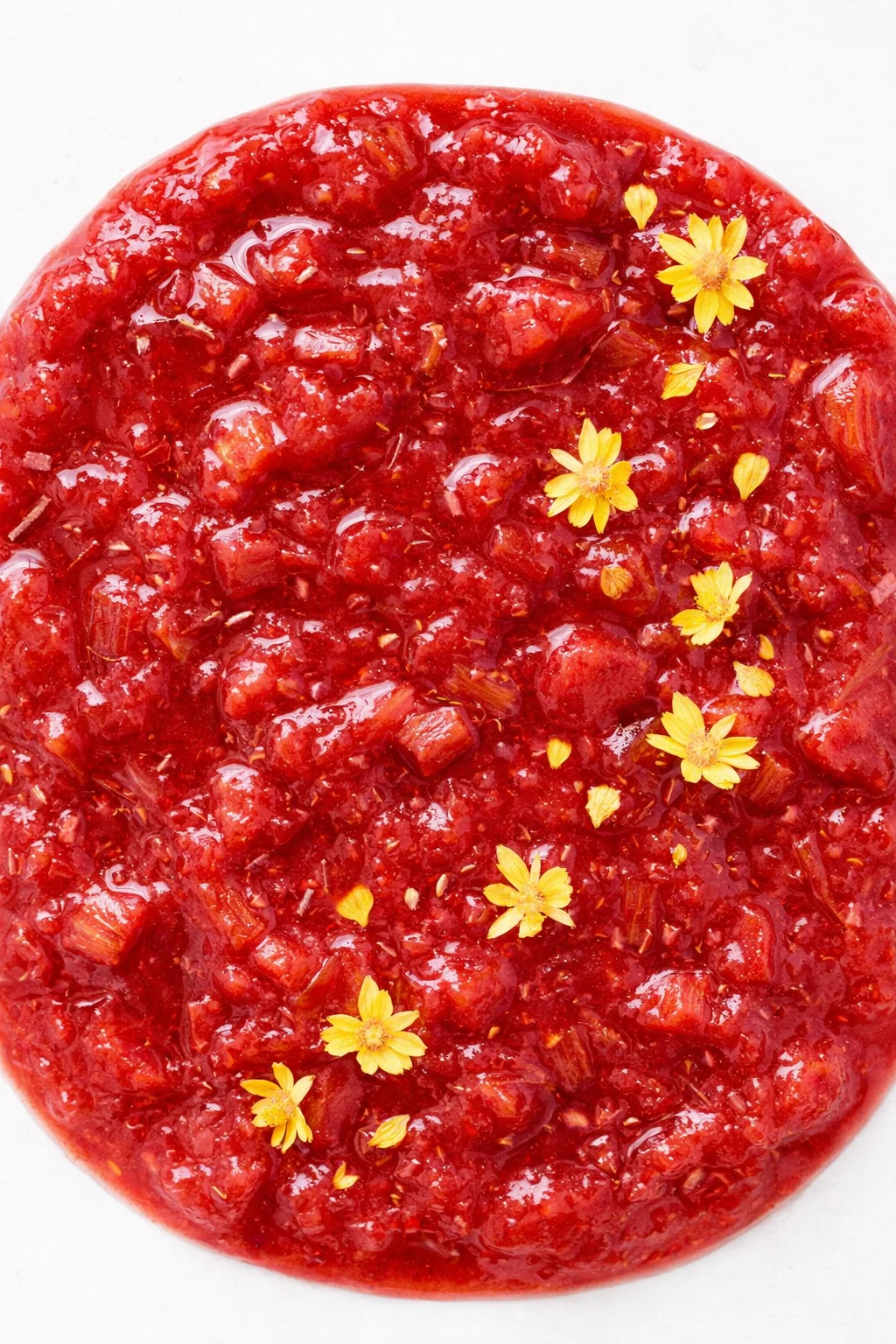
A simple and fresh rhubarb jam made with only two ingredients: rhubarb and sugar. This jam requires no added pectin and yields about four 250 ml jars. It features a tart, bright flavor, perfect for spring, and can be stored refrigerated, frozen, or canned for long shelf life.
- Total Time: 40 minutes
- Yield: Approximately four 250 ml jars 1x
Ingredients
- 2 ½ pounds rhubarb stalks, chopped (about 8 cups)
- 1 ½ cups sugar
Instructions
- Combine chopped rhubarb and sugar in a glass or stainless steel bowl. Stir and let sit until sugar dissolves and juice is released. This can be done overnight in the refrigerator or a few hours at room temperature.
- Transfer the mixture to a stainless steel pot (avoid cast iron, enamel, copper, or aluminum as they react and discolor the jam). Heat over medium-high heat, stirring occasionally, until boiling.
- Reduce heat to medium-low and cook, stirring occasionally, for about 30 minutes until the jam thickens and rhubarb breaks down.
- Let the jam cool slightly, then spoon it into jars.
- Store the jam in the refrigerator for up to 3 weeks, or process jars in a boiling water bath for 10 minutes to preserve for up to a year. The jam is also freezer-friendly.
Notes
The recipe yields approximately four 250 ml (8 oz) jars., To store long term, process the filled jars in a boiling water bath for 10 minutes and check seals once cooled., Jam freezes well for extended storage., Use pink or red rhubarb stalks for the brightest, most attractive jam color; green stalks will yield a muddier color but same flavor., Avoid using reactive cookware which can discolor the jam; stainless steel is preferred., Rhubarb leaves are poisonous due to oxalic acid and should not be used., The recipe can be doubled or halved; adjust cooking times and vessels accordingly, and follow proper canning procedures for larger batches., Jam is ready when it thickens and wrinkles form when cooled on a spoon or plate.
- Prep Time: 10 minutes
- Cook Time: 30 minutes
- Category: Jams, Jellies, & Preserves
- Cuisine: Canning & Preserving
Nutrition
- Serving Size: 2 tablespoons
- Calories: 21 kcal
- Fat: 0 g
- Carbohydrates: 5 g
- Protein: 0 g
More in easy meals
Chewy Protein Chocolate Chip Cookies
double chocolate chip cookies