Small Batch Crusty Bread

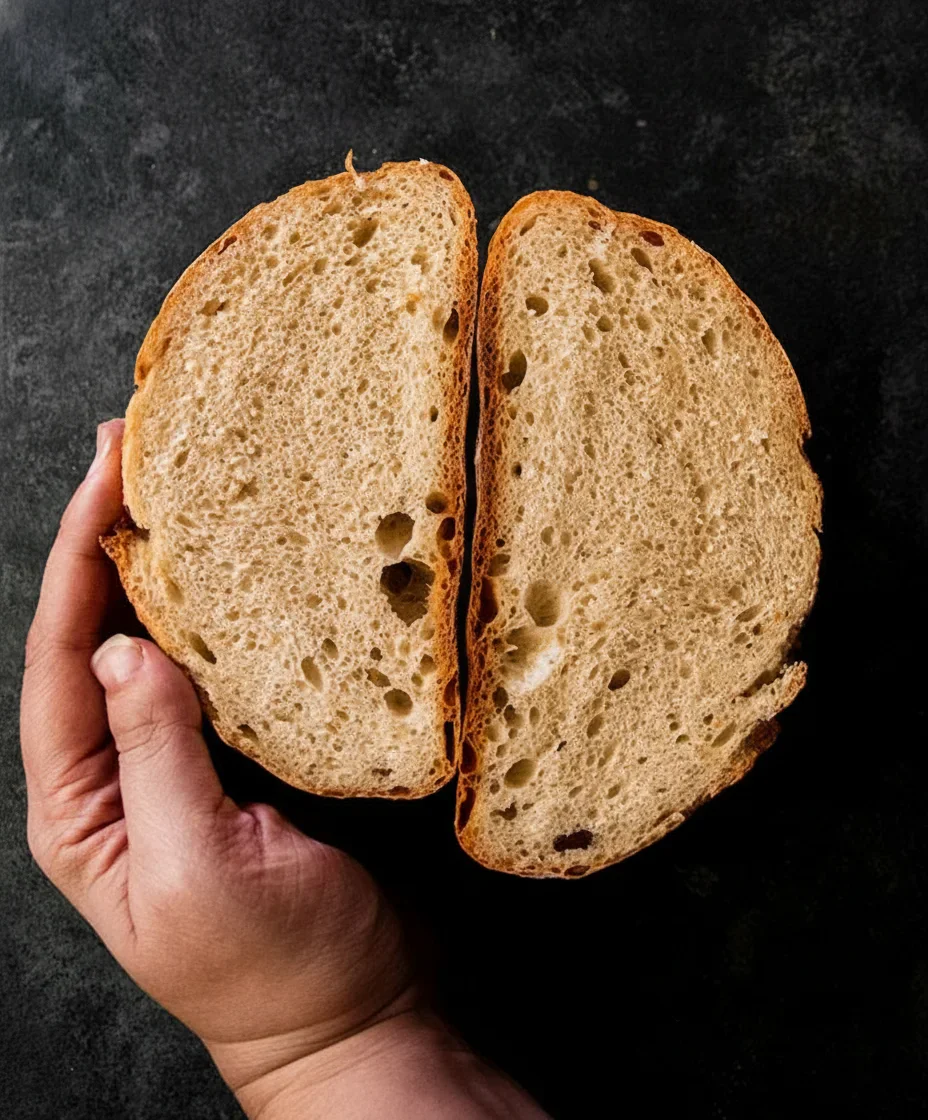
This small batch crusty bread recipe delivers a thin, crackly crust with a soft, tender crumb inside. It’s ready in just about 3 hours—no kneading needed—and makes just the right amount for two or three people. Perfect for when you want homemade bread without the big loaf!
We’ve helped thousands of folks bake their first bread with our classic Easy Crusty French Bread recipe. And while that big loaf is always a treat, sometimes you don’t want quite that much bread standing in your kitchen.
So here it is: This small batch crusty bread recipe.
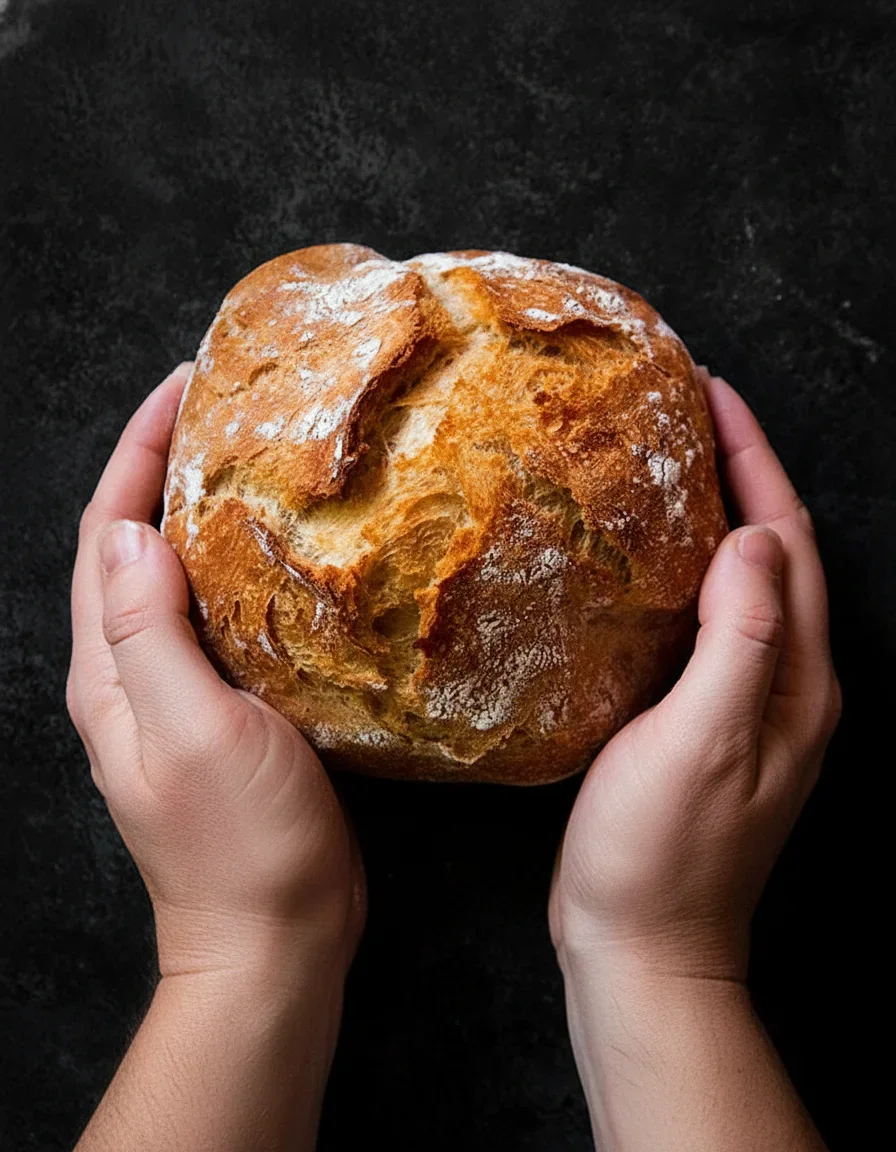
Also, can we just take a moment to admire how adorable this tiny little loaf is?! I mean, I’m obsessed.
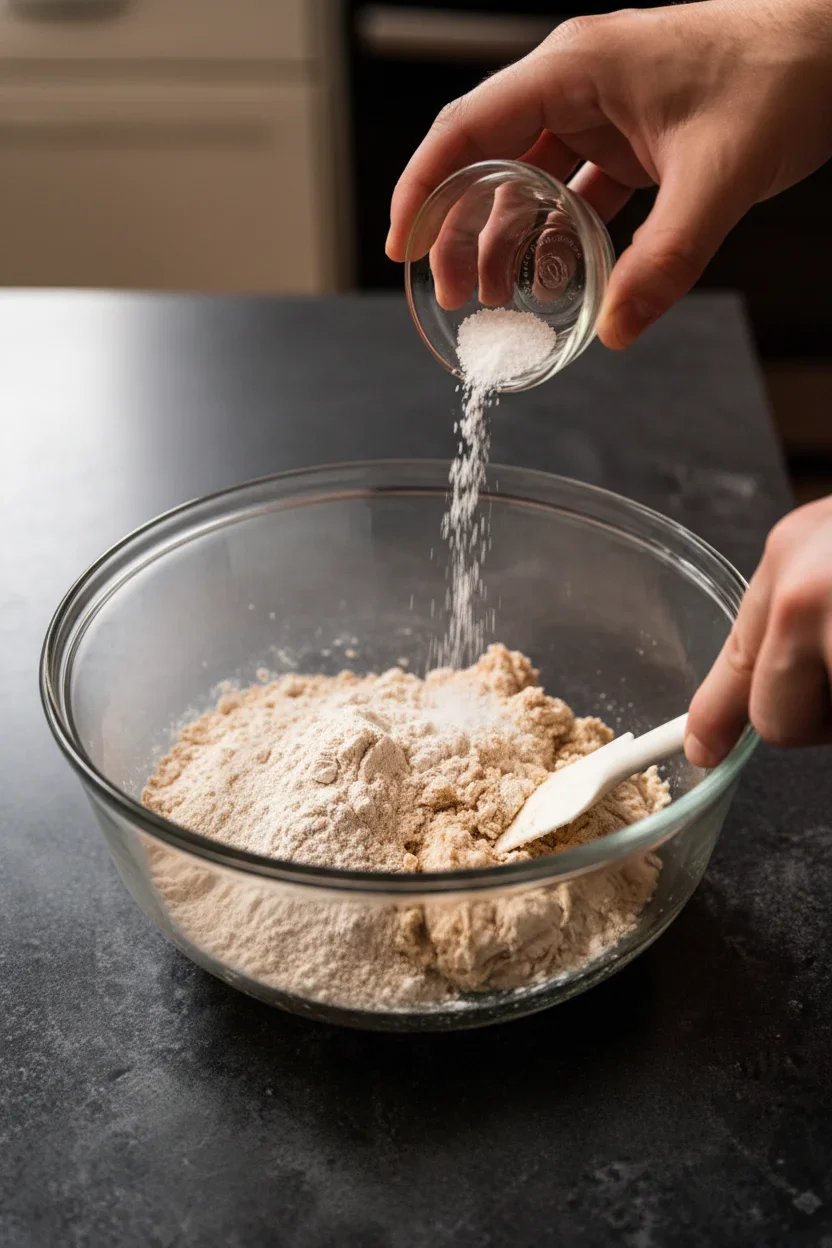
Start by mixing the yeast, honey, and warm water. Let the yeast foam up, then add flour and salt and stir it all together.
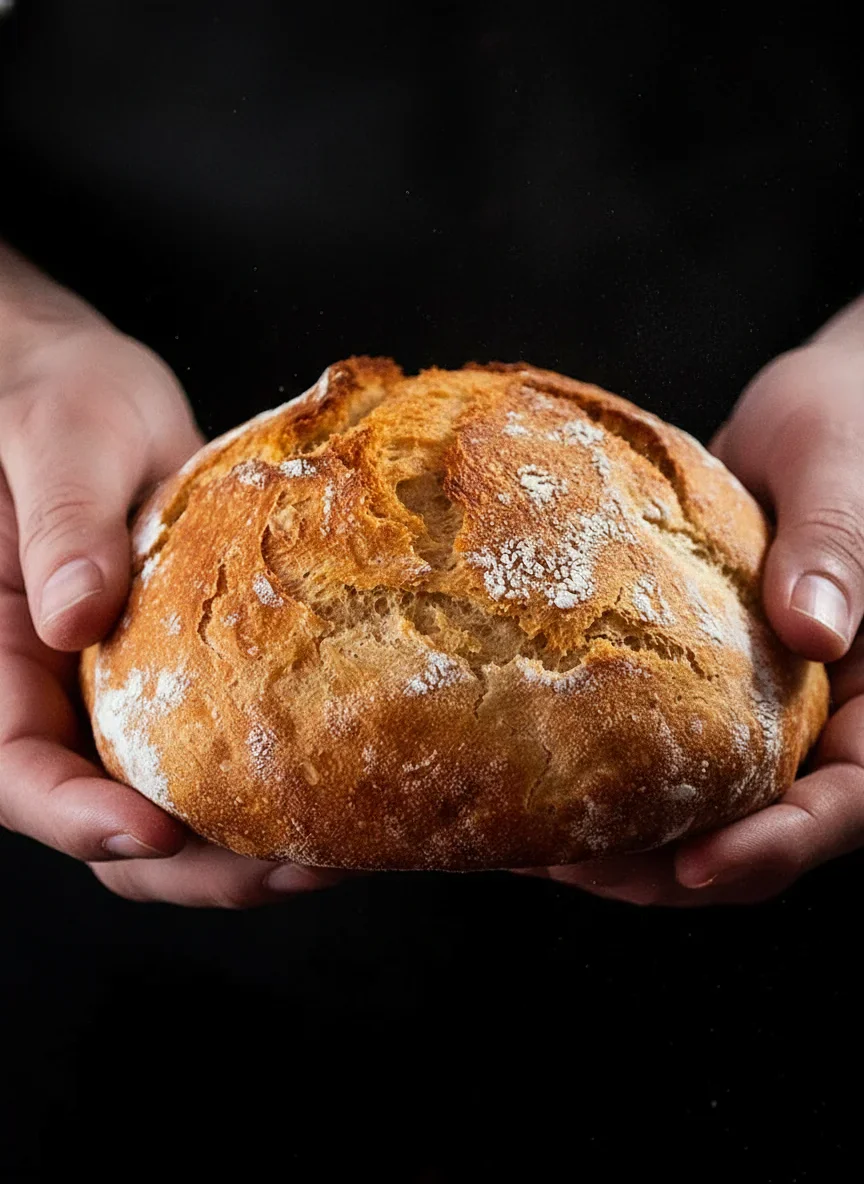
This recipe is a scaled-down take on our favorite no-knead artisan bread. It makes a small loaf that fits nicely in the palm of your hand—about 6 inches across—and is perfect for a few people.
Typically, I pull out this small batch loaf when I’m serving soup or stew for two. If I’m making sandwiches or crostini, it stretches to feed 4. I usually slice about 10 half-inch pieces from this loaf, which is just right.
BTW, if you’ve made our original easy crusty bread before, you’ll spot a few tweaks here. We simplified the method a bit and adjusted the baking time to fit this smaller size.
How to make this small batch no knead bread
Mix the dough (about 10 minutes)
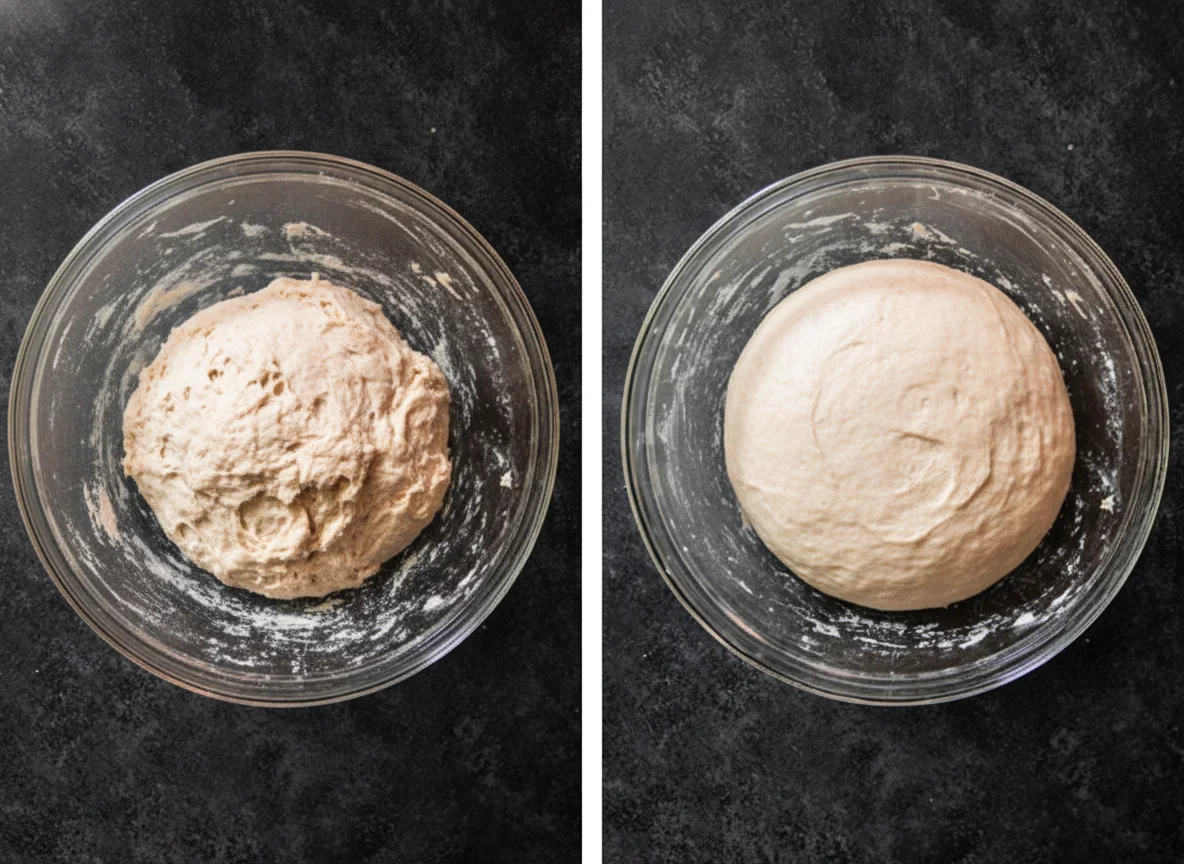
Start by stirring together the active dry yeast and a little honey with warm water. Let it hang out for a few minutes until the yeast wakes up and gets foamy. Then, add your flour and salt and mix everything until you don’t see any dry flour and have a shaggy, sticky-ish dough.
Let it rise (about 1 hour)
Cover your bowl with a clean towel and let the dough rise for about an hour, until it has roughly doubled in size. This step is where the magic happens.
Shape your loaf & final rise (about 30 minutes)
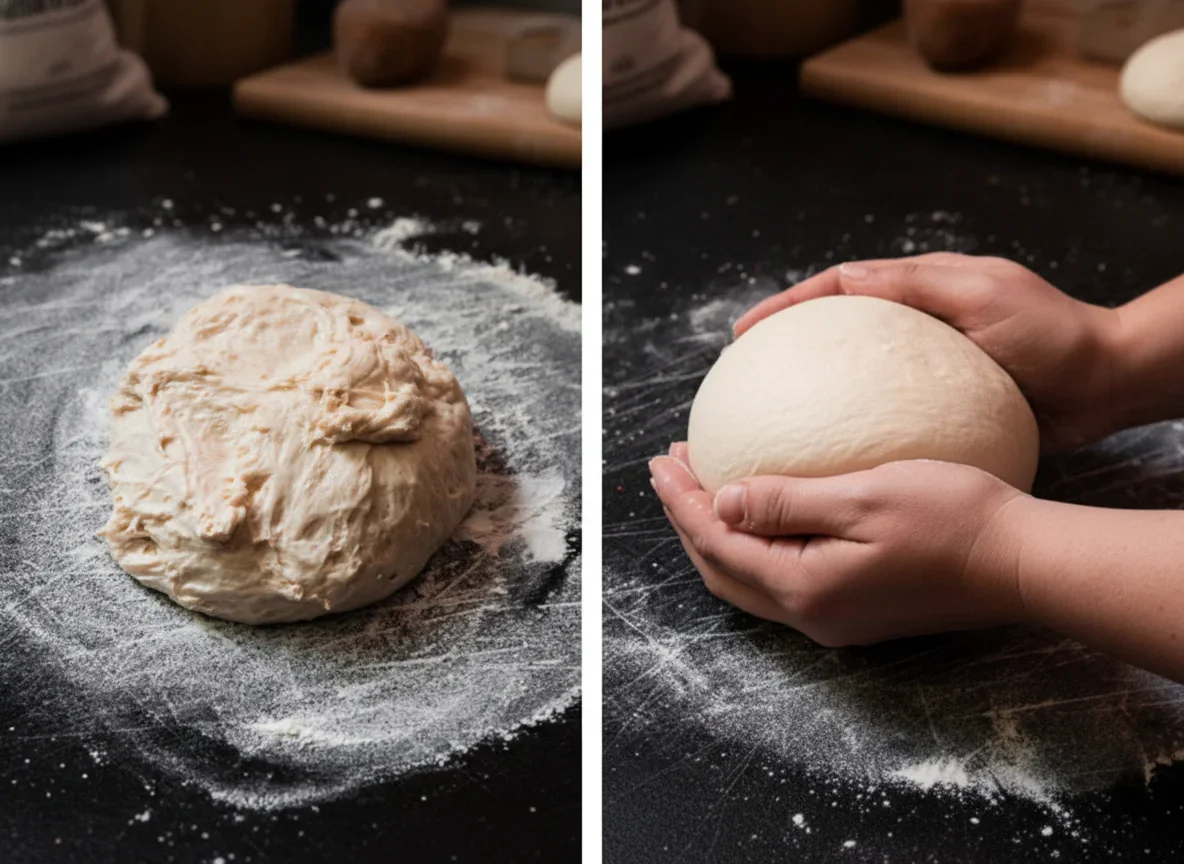
Shape the dough into a round ball—called a boule—and set it back in a bowl or proofing basket to rise again for 30 minutes while your oven heats up. Check out the video below for a quick demo!
Bake! (30 minutes)
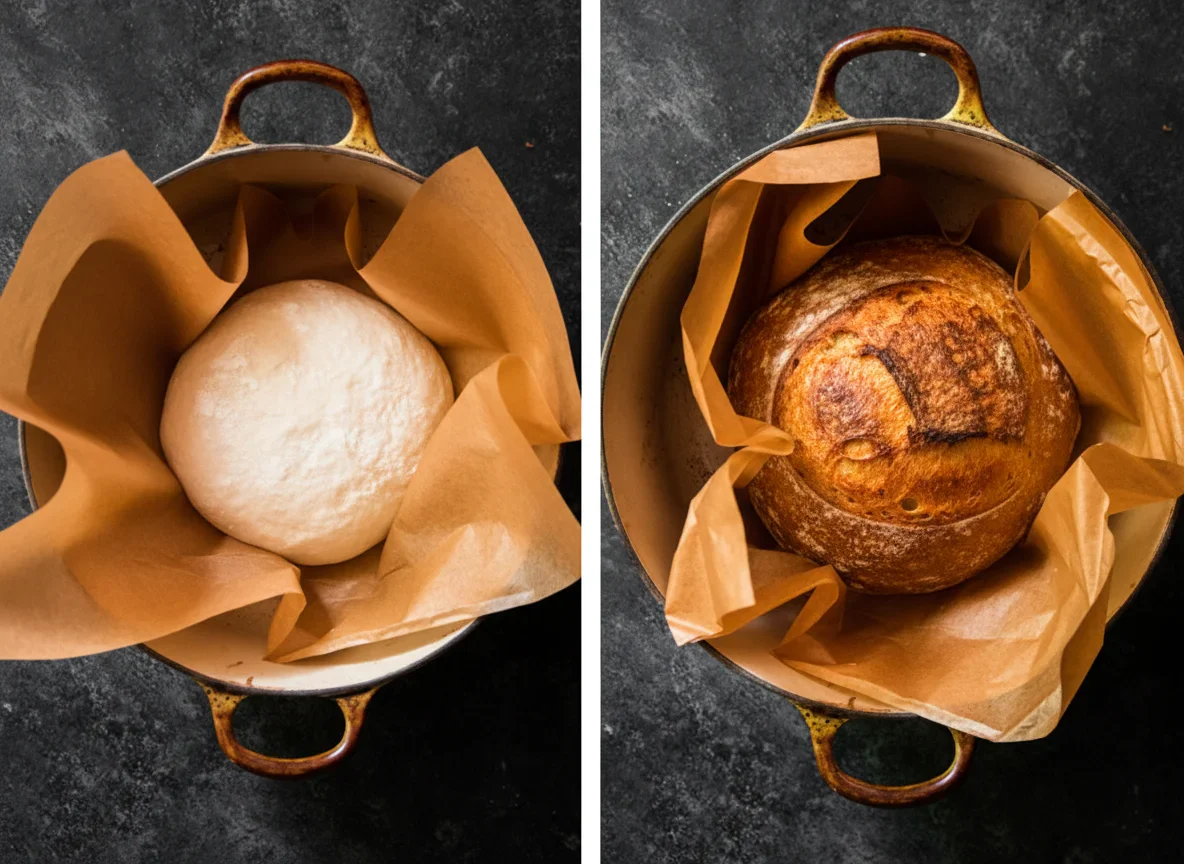
Bake your bread in a preheated hot Dutch oven—or one of our alternative methods! Bake with the lid on for 22 minutes, then take the lid off and bake another 5 to 10 minutes so the crust gets beautifully browned and crisp.
A few tips for making great loaves every time
- Use a kitchen scale if you can! We can’t stress this enough—measuring ingredients by weight makes a big difference in bread baking. If you don’t have a scale, use the scoop-and-level method for measuring your flour for better accuracy.
- Patience pays off. Making your first crusty french bread may feel tricky, and your first loaf probably won’t look perfect. That’s totally normal! The more you bake, the more confident you’ll get—and better your bread will taste.
- Choose good-quality flour. The right flour really matters. We recommend King Arthur or Bob’s Red Mill because their higher protein levels help create stronger, less sticky dough and a better crumb.
- Don’t forget to check out more baking tips in this post or consider joining our Everyday Artisan Bread course if you want extra support and step-by-step lessons.
Small Batch Bread FAQs
Can I bake crusty French bread without a Dutch oven?
Absolutely! While a Dutch oven is my favorite tool for that perfect crunchy crust, you can bake good bread using a baking stone or a heavy pan with water added to create steam. It just might take a little practice to get the crust just right.
Can I use bread flour?
Yes! We call for all-purpose flour because most folks have it handy, but bread flour works great too. It makes the dough feel smoother and stretchier, and may give you a taller loaf with a nice chewy bite.
Can I use whole wheat flour?
You sure can swap up to half the all-purpose flour with whole wheat flour if you want a nuttier, heartier loaf. Just keep it at 50% or less, or your bread might come out a bit dense and heavy.
How warm should my water be?
Use water that feels warm to your touch—not hot or cold. Think between 95° and 110° F (about the temperature of a cozy bath). This helps wake up the yeast without killing it.
Can I use a stand mixer?
For this small batch, mixing by hand is easier and more efficient. With such a small amount of dough, a stand mixer can get fussy and you’ll spend a lot of time scraping down the sides. So grab a sturdy spatula and dig in by hand!
Have another question?
If you have more questions, check out our super detailed FAQs in the Easy Crusty French Bread post or join our Everyday Artisan Bread course. It’s packed with lessons that walk you through every step and technique.
🎥 Step by Step Video
Bonus Video: How to shape a loaf of bread
This quick video clip is from our Everyday Artisan Bread online course. It shows how to shape bread dough into a round boule. The loaf in the video is bigger, but you can use the exact same technique for this small batch recipe!
Description
This super simple small batch crusty bread recipe is just right for a quick homemade side to feed two or three people. Homemade bread that doesn’t overwhelm your kitchen or your schedule!
Ingredients
- 1 teaspoon active dry yeast (about 4 grams)
- 1 teaspoon honey (about 6 grams)
- ⅔ cup warm water (150 grams)
- 1 teaspoon kosher salt (about 4 grams)
- 1 to 1 ⅔ cups all-purpose flour (around 200 grams), plus extra for dusting (see notes below)
Instructions
MIX THE DOUGH AND FIRST RISE (1 HOUR)
- In a large bowl, mix together yeast, honey, and warm water.
- Let the mixture sit about 5 minutes until it gets foamy and bubbly—this is the yeast waking up.
- Stir in the flour using a sturdy spatula until the dough starts to come together. Then add the salt and mix well to combine. The dough will be slightly loose, shaggy, and sticky but that’s perfect.
- Cover the bowl with a clean towel and set aside to rise for 1 hour, or until the dough has doubled in size.
SHAPE THE DOUGH & FINAL RISE (30 MINUTES)
- Lightly flour a large cutting board when your dough has risen.
- Turn the dough out gently—that means don’t punch it down—onto the board to keep those lovely air bubbles intact. If the dough sticks to the bowl, wet your hand with cold water and gently ease the dough out.
- Shape the dough into a round loaf by folding edges into the center, like folding an envelope. Do this several times until the dough starts to push back against your folds. Flip the dough over and gently pull it towards you on the board to tighten the shape.
- Dust a small mixing bowl with flour (I like to line mine with a linen napkin for even flour coverage), and place the loaf inside, seam-side down. Cover with a clean towel and let rise another 30 minutes while you heat the oven.
HEAT THE OVEN
- Place an empty Dutch oven with the lid on into your oven and preheat to 460° F (about 238° C).
BAKE! (30 MINUTES)
- When the oven is good and hot, carefully tip your loaf onto a piece of parchment paper, seam side UP this time.
- Using oven mitts, take the hot Dutch oven out, remove the lid, and lift your loaf with the parchment paper into the Dutch oven. Put the lid back on, then slide the pot into the oven.
- Bake for 22 minutes with the lid on.
- After 22 minutes, carefully remove the lid. The crust should look golden and crusty. Bake uncovered for another 5 to 10 minutes to deepen the golden color and crisp the crust even more.
- Transfer the bread to a cooling rack and let it cool at least 30 minutes before slicing. If you can wait a few hours, even better—it helps the crumb set perfectly. Enjoy every bite!
Notes
Equipment. We’ve tested this recipe using several Dutch ovens—Le Creuset, Staub, Marquette Castings, and Challenger Breadware—all work beautifully. Double-check that your Dutch oven is safe at high temp before baking and always follow the manufacturer’s care instructions.
Ingredients. For consistent baking success, choose a quality flour like King Arthur Flour or Bob’s Red Mill. This recipe was created using Diamond Crystal Kosher Salt, which is known for its mild saltiness. If you use table salt or a finer salt and measure by volume, reduce the salt by ¼ teaspoon. If you use weight measurements, just trust the grams and you’re good! Don’t have honey? Regular sugar works just fine as a substitute.
Please use a kitchen scale! Measuring flour by volume can be tricky and inconsistent. Using a kitchen scale to measure your flour by weight is the easiest way to get a perfect dough every time. No scale? Make sure to use the scoop-and-level method for your flour.
Note about the dough texture. This dough is a bit sticky and won’t form a tight, smooth ball right away. That’s totally normal. It will become smoother and stronger as it rises. If you find it sticky when shaping, sprinkle more flour to help with handling.
Do I need a proofing basket? Our original Easy Crusty French Bread loves proofing baskets, but those standard 9-inch baskets are too big for this small loaf. Instead, I use a small 6-inch mixing bowl or something similar to keep the shape during the final rise.
Nutrition
- Serving Size:
- Calories: 191
- Sugar: 1.6 g
- Sodium: 313.2 mg
- Fat: 0.6 g
- Carbohydrates: 40 g
- Protein: 5.6 g
- Cholesterol: 0 mg
This super simple small batch crusty bread recipe produces a thin, crackly crust with a soft, tender crumb inside. It requires no kneading and is ready in about 3 hours, making a small 6-inch loaf perfect for 2-3 people.
- Total Time: 3 hours
- Yield: 1 small loaf (approximately 6 inches across) 1x
Ingredients
- 1 teaspoon active dry yeast (about 4 grams)
- 1 teaspoon honey (about 6 grams)
- 2/3 cup warm water (150 grams)
- 1 teaspoon kosher salt (about 4 grams)
- 1 to 1 2/3 cups all-purpose flour (around 200 grams), plus extra for dusting
Instructions
- In a large bowl, mix together yeast, honey, and warm water.
- Let the mixture sit about 5 minutes until it gets foamy and bubbly.
- Stir in the flour using a sturdy spatula until the dough starts to come together.
- Add salt and mix well to combine. Dough should be slightly loose, shaggy, and sticky.
- Cover the bowl with a clean towel and set aside to rise for 1 hour, or until the dough has doubled in size.
- Lightly flour a large cutting board when the dough has risen.
- Turn dough out gently onto the board without punching down to keep air bubbles intact.
- Shape dough into a round loaf by folding edges into the center several times, flip dough, and pull gently to tighten shape.
- Dust a small mixing bowl with flour, place loaf seam-side down inside, cover with towel, and let rise 30 minutes while oven heats.
- Place an empty Dutch oven with lid on into oven and preheat to 460°F (238°C).
- Carefully tip loaf onto parchment paper, seam side up.
- Remove lid from hot Dutch oven and lift the loaf with parchment paper into the pot; replace lid.
- Bake covered for 22 minutes.
- Remove lid and bake uncovered for another 5 to 10 minutes until crust is golden and crisp.
- Transfer bread to cooling rack and let cool at least 30 minutes before slicing; longer cooling improves crumb setting.
Notes
Use a kitchen scale for best results; weight measurements are more accurate than volume., If measuring flour by volume, use scoop-and-level method for consistency., Use quality flour such as King Arthur or Bob’s Red Mill for better protein content and dough strength., Recipe created with Diamond Crystal Kosher Salt; if using table salt, reduce salt by 1/4 teaspoon when measuring by volume., If honey is not available, regular sugar can be substituted., Dough will be sticky and shaggy initially; add extra flour if dough is too sticky to handle when shaping., Standard 9-inch proofing baskets are too large; use a small 6-inch bowl or similar to proof the final loaf shape., Dutch ovens tested include Le Creuset, Staub, Marquette Castings, and Challenger Breadware; ensure your Dutch oven is safe for high temperature baking.
- Prep Time: 15 minutes
- Cook Time: 30 minutes
- Category: Bread
- Cuisine: French-inspired artisan bread
Nutrition
- Serving Size: 1/10 of loaf (half-inch slice)
- Calories: 191
- Fat: 0.6 g
- Carbohydrates: 40 g
- Protein: 5.6 g