How to Make Homemade Rye Bread

This cozy no-knead rye bread is a fantastic blend of bread and rye flours, sweetened lightly with honey and flavored with a few teaspoons of caraway seeds. It bakes up with a wonderfully tangy zing and a chewy, hearty texture that works wonderfully for sandwiches or crispy toast. The best part? It’s super simple to make and comes together quickly in one loaf pan. Plus, you can easily double the recipe and freeze any leftovers for later.
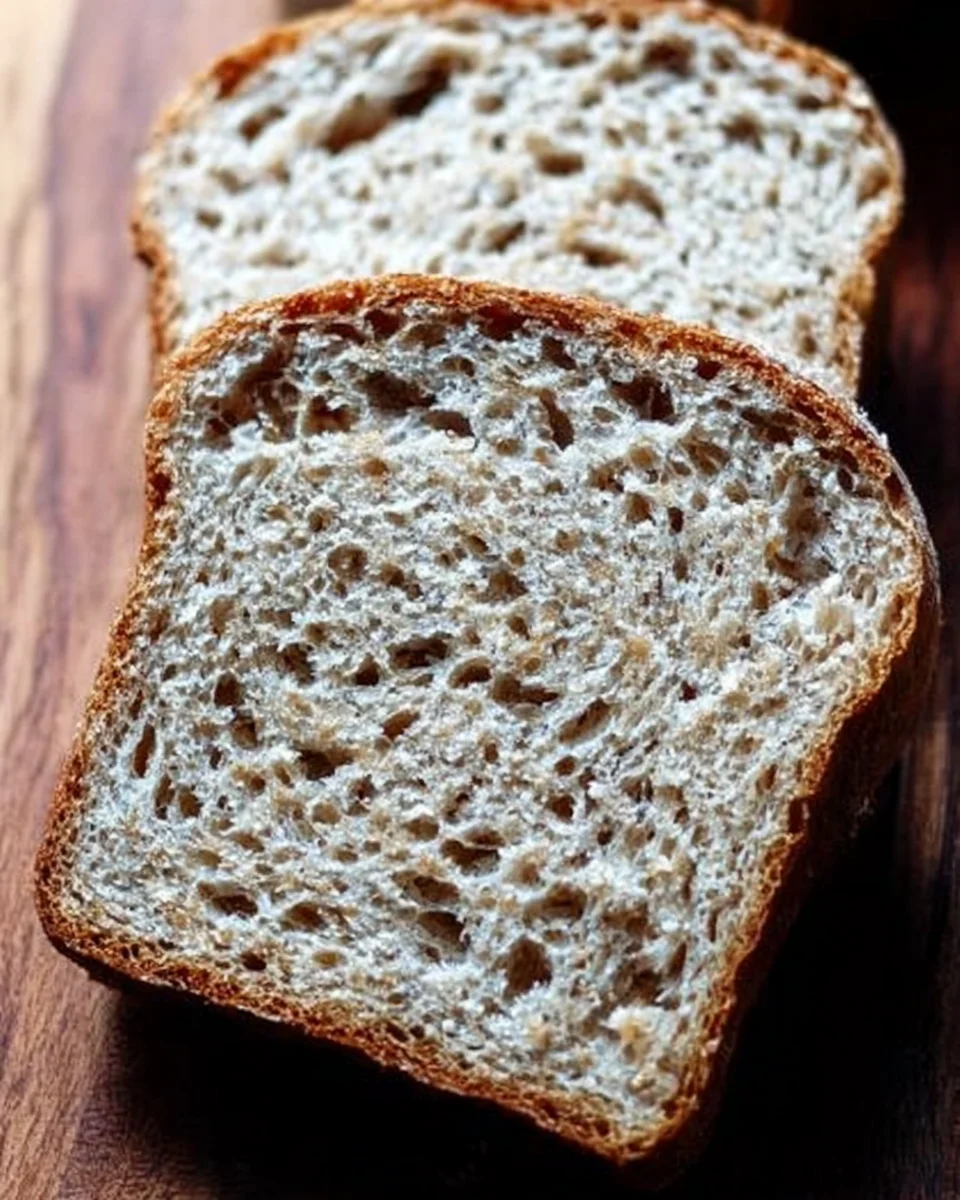
Rye bread often gets a bad rap for being dense, heavy, and super sour. Some people absolutely adore those bold, strong flavors, while others shy away. For me, the perfect rye bread strikes a balance—it’s got a gentle tang and a sturdy, chewy bite without feeling too heavy or dense.
This particular no-knead rye recipe fits the bill perfectly. Using a combo of bread flour and rye flour keeps the texture light enough for sandwiches but also makes for deeply satisfying toast. The little hint of honey softens the sour notes, creating a nice chew, while the caraway seeds—totally optional—add a subtle burst of citrus and anise flavors that make every bite interesting.
The recipe uses 1 cup of rye flour mixed with 3 cups of bread flour. You might be tempted to add more rye flour to get a bolder rye flavor, but watch out: the more rye you add, the denser the loaf tends to get. Curious why? Keep reading—I’ll explain!
How Rye Flour is Different Than Other Wheat Flours
- Higher in Bran and Minerals: Rye flour contains more bran and minerals compared to common wheat flours. The sharp edges of the bran actually cut through the gluten strands, which means the bread won’t rise as much and will have a denser crumb.
- Different Proteins + High in Pentosans: Gluten, the protein that gives bread its stretch, forms from glutenin and gliadin proteins when mixed with water. Rye flour is a bit trickier—it contains gliadin too, but instead of glutenin, it has glutelin, which behaves differently. On top of that, rye is packed with pentosans—a type of carbohydrate that soaks up water but competes with gluten proteins, limiting gluten development. That’s why rye breads don’t get that light, airy texture like regular wheat bread.
Homemade Rye Bread, Step by Step
This bread uses a mix of rye flour and either bread or all-purpose flour to balance flavor and texture just right.
And a quick note: please grab a kitchen scale if you have one! Measuring by weight is the best way to get consistent, reliable results every single time.
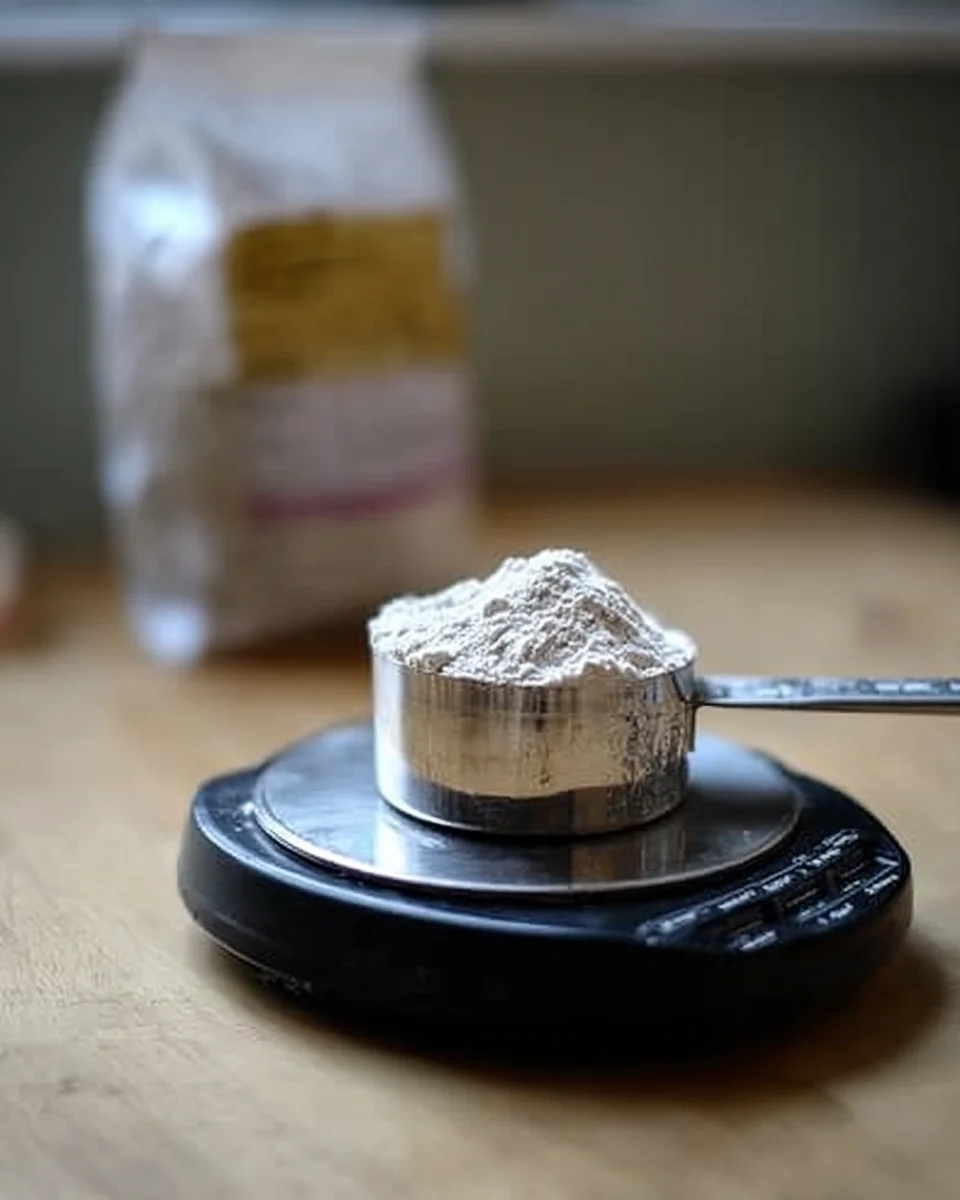
Once you have your flours measured out carefully, here’s how to get started…
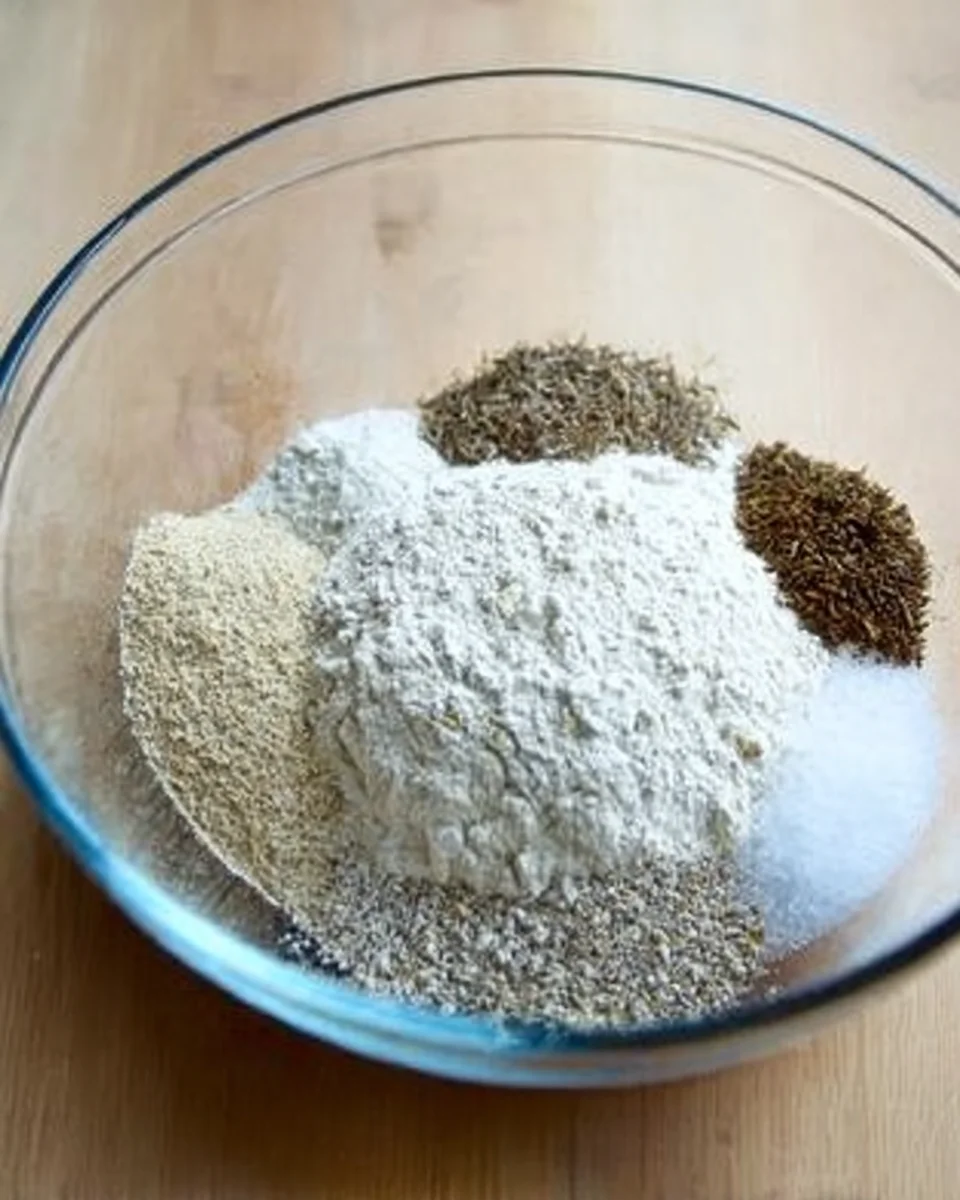
Whisk together the bread flour, rye flour, salt, instant yeast, and caraway seeds if you’re using them. I love how those seeds add a little spark of flavor, but they’re totally optional.
Next, whisk the honey into the water until it dissolves nicely. Pour this liquid mix into the dry ingredients, then add the oil.
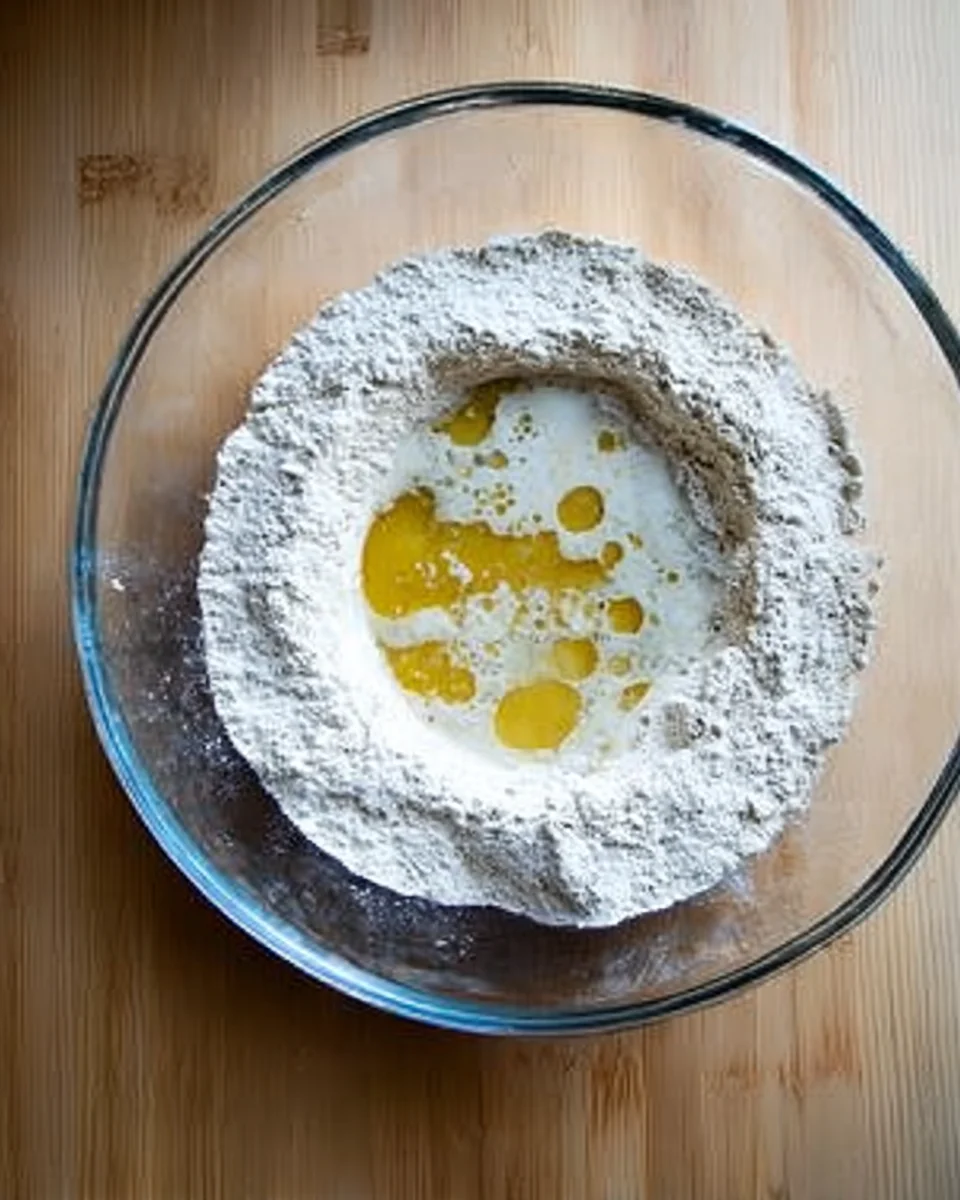
Use a spatula to stir everything together until it forms a sticky, shaggy ball of dough.
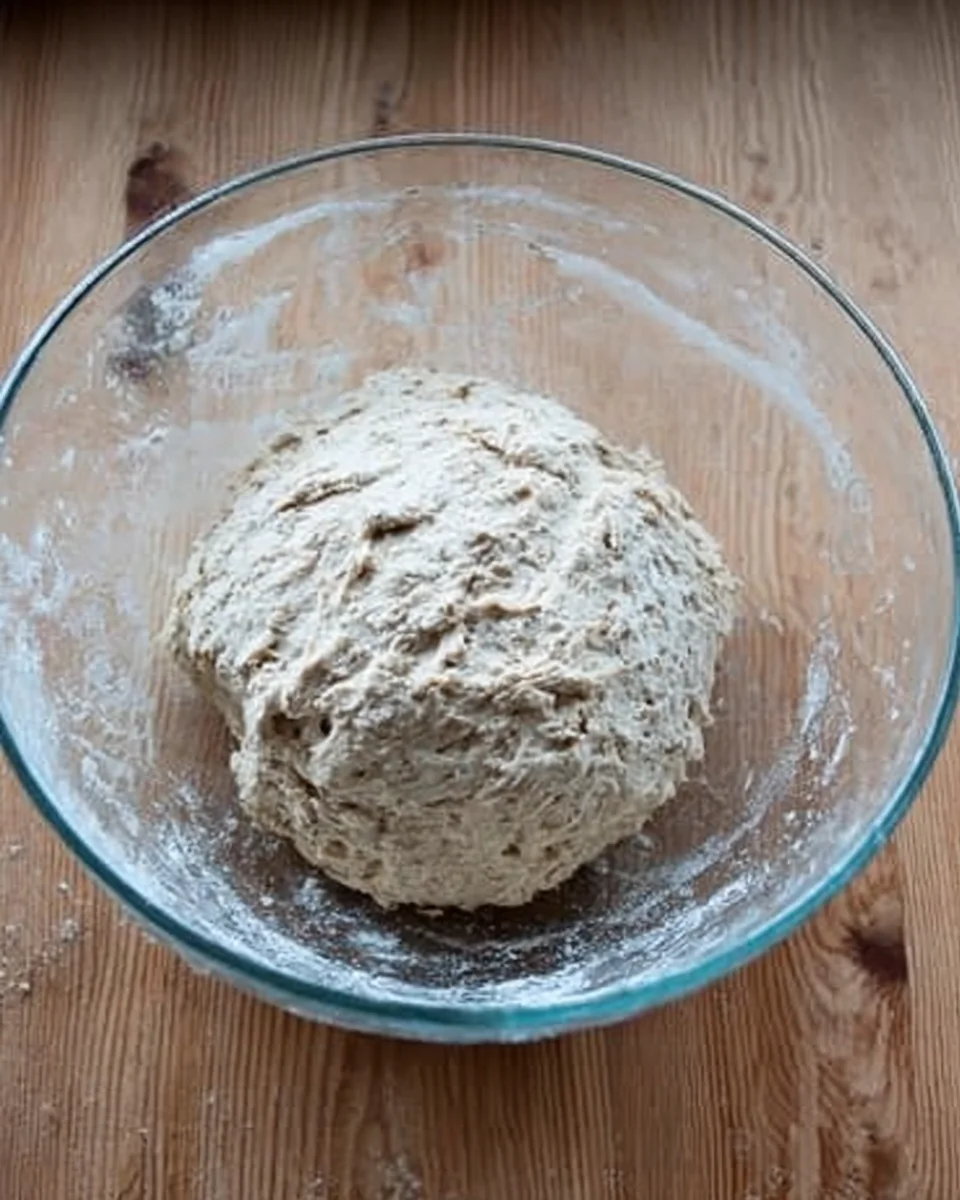
Cover the bowl with plastic wrap or a clean towel and let the dough rise until it doubles in size. This usually takes about 2 to 3 hours, depending on your kitchen temperature.
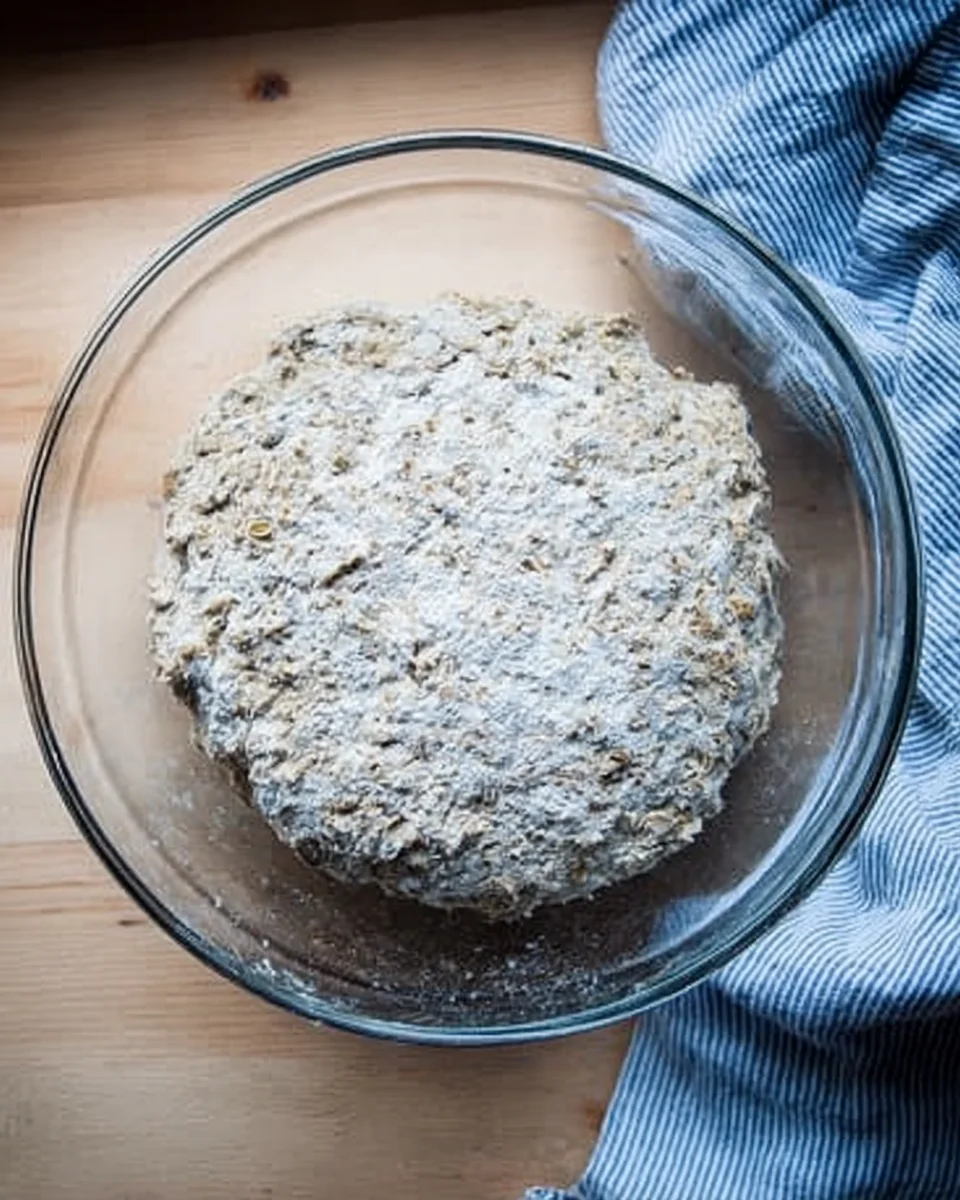
Once it’s puffed up nicely, rub a tablespoon of oil over the surface of the dough—this helps keep it moist as you shape it—and then gently deflate it by pressing down.
Turn the dough out onto a lightly floured surface, flip it over, and shape it into a loaf.
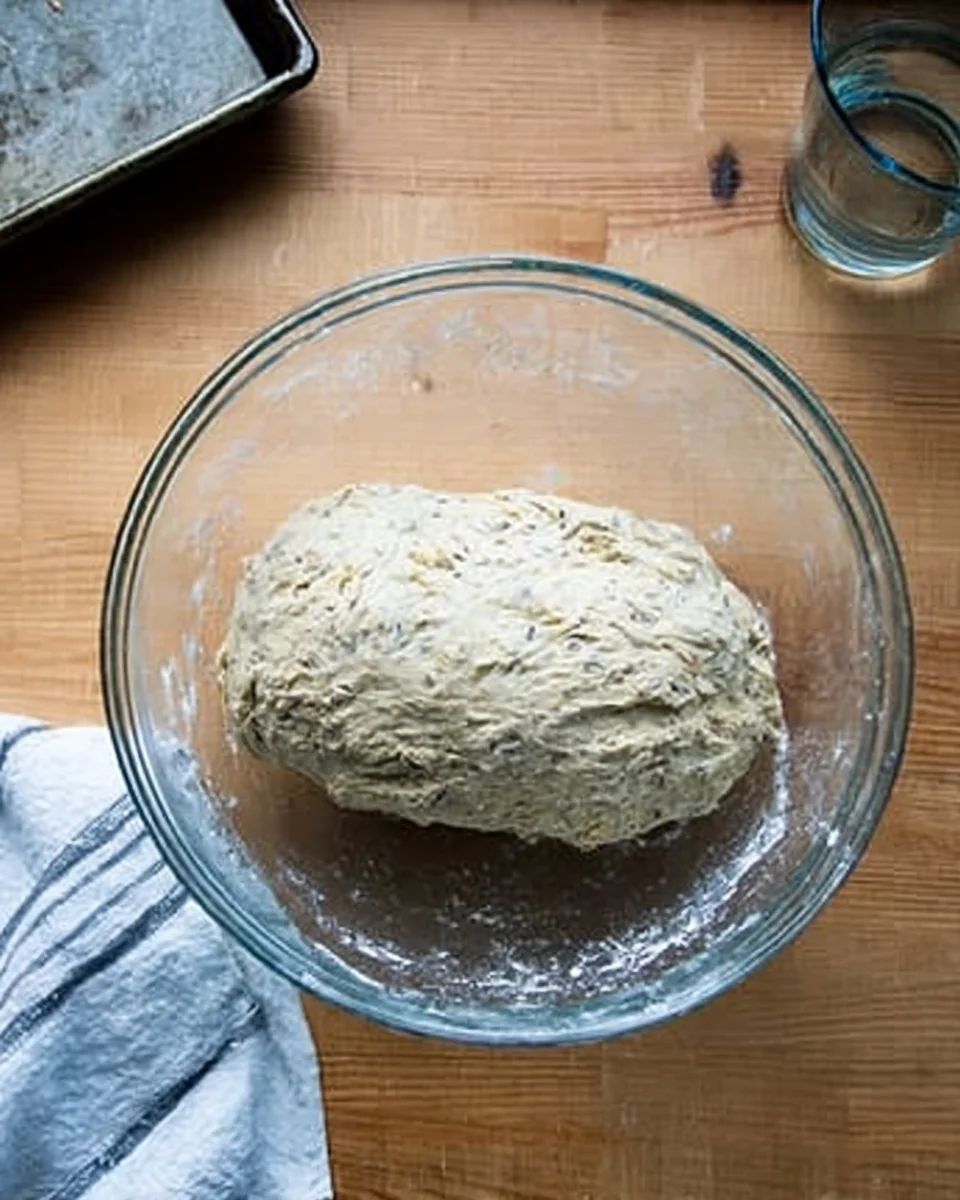
Here’s a little video that shows you just how easy this step is:
Transfer your shaped loaf to a buttered loaf pan—either an 8.5×4.5-inch or a 9×5-inch pan will work great.
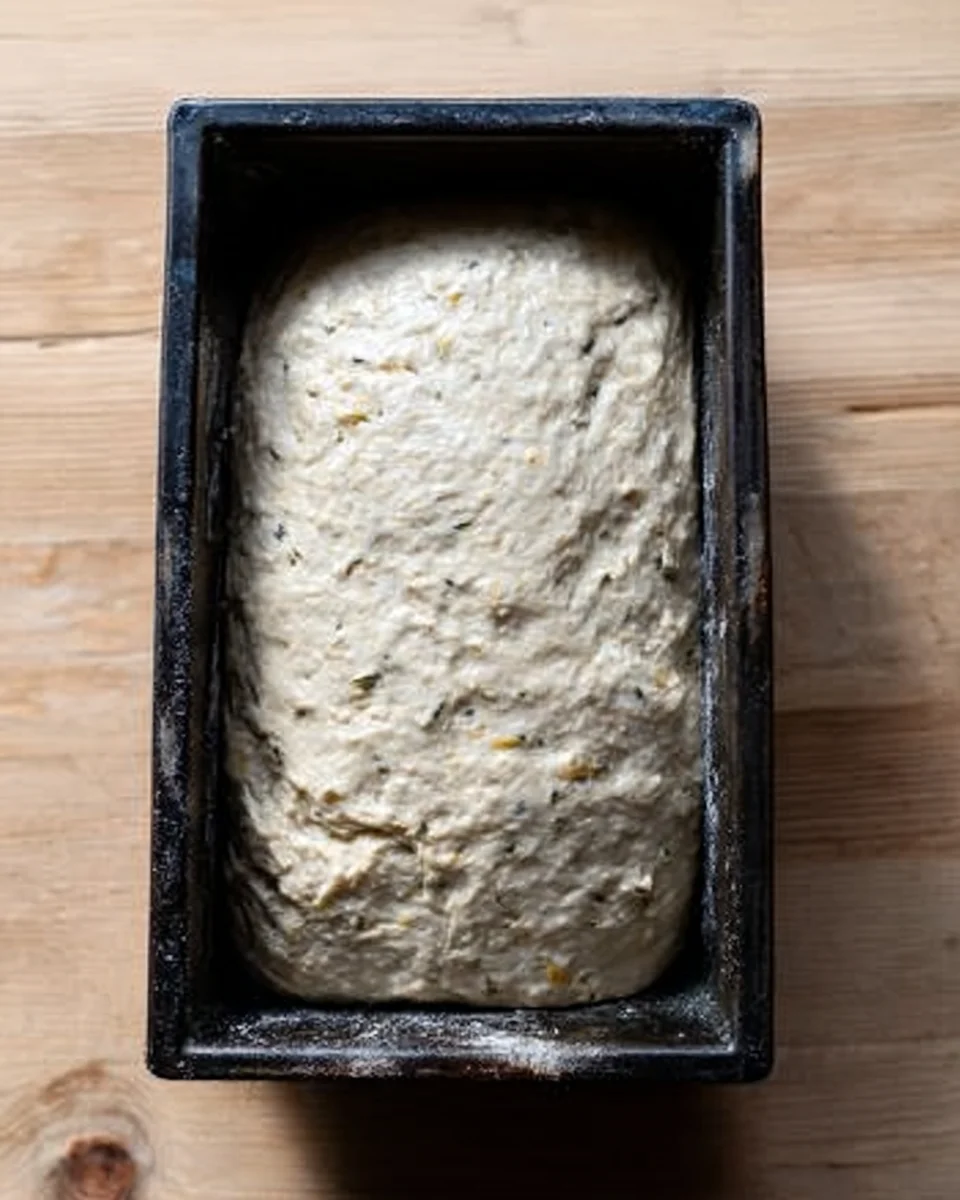
Let it rise again in the pan until the dough bulges about an inch above the rim.
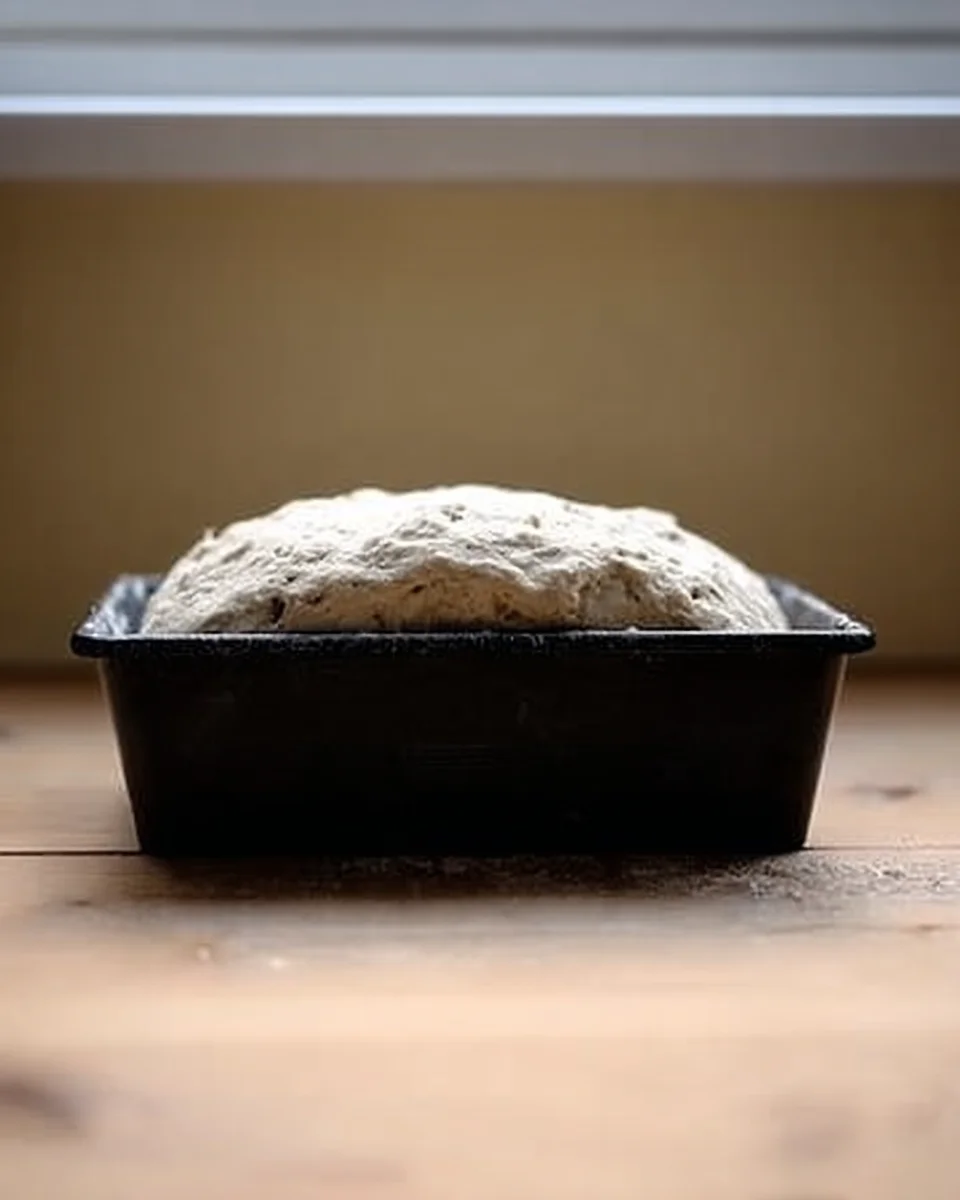
Pop it in the oven and bake at 375ºF for 45 minutes. Your kitchen will soon smell heavenly!
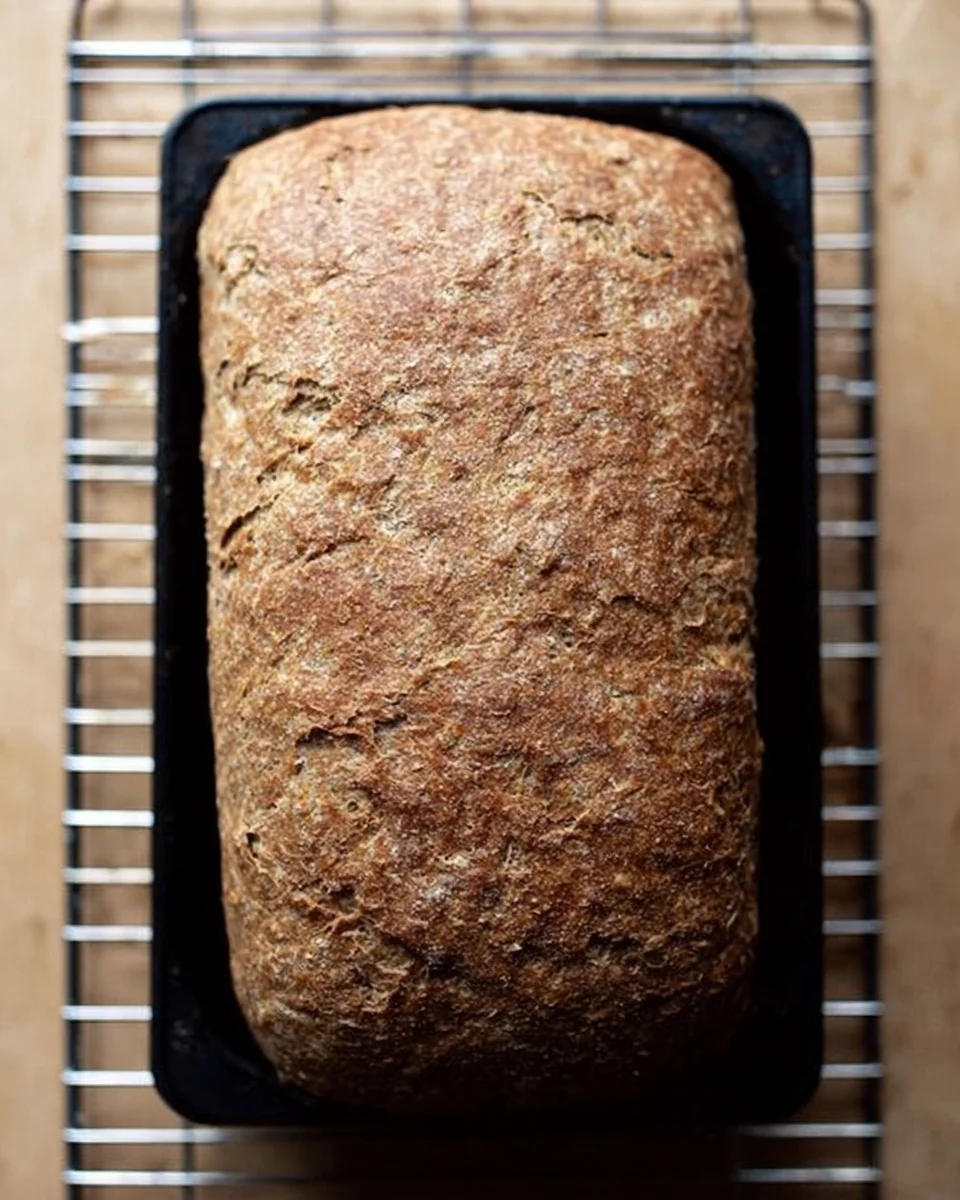
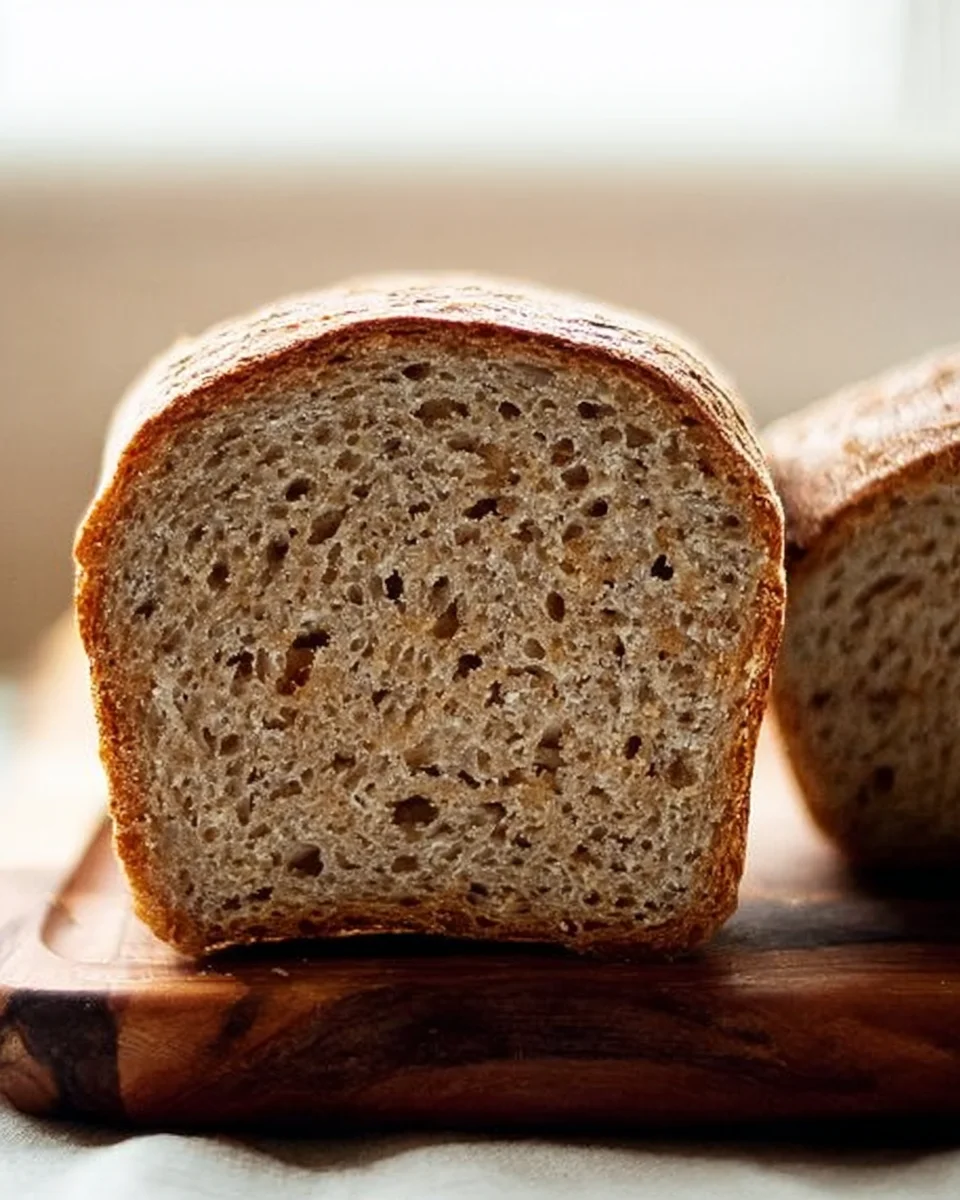
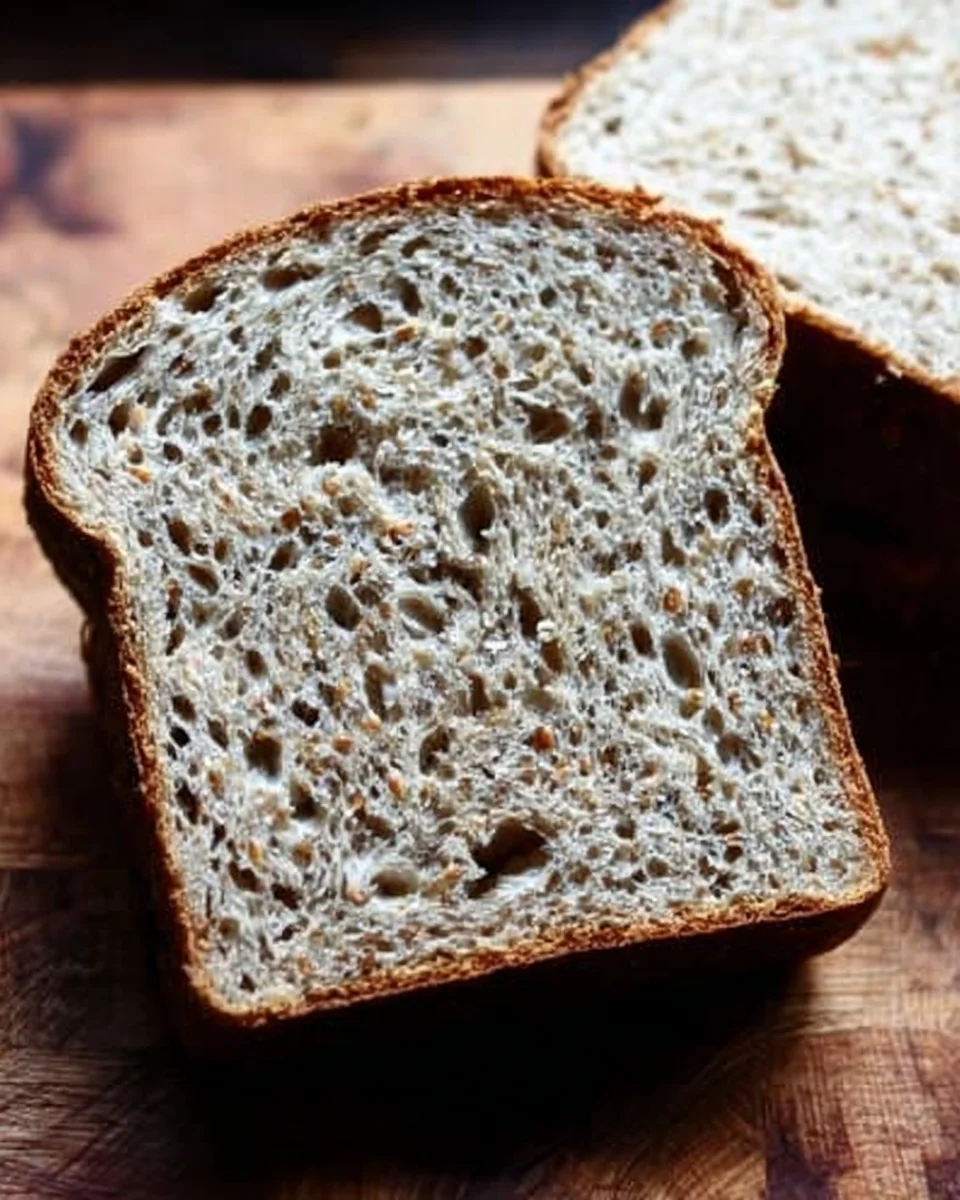
When it’s done baking, let the bread cool for at least half an hour before slicing. I love to slice it up and freeze bundles of 3 or 4 slices so I always have fresh rye bread on hand.
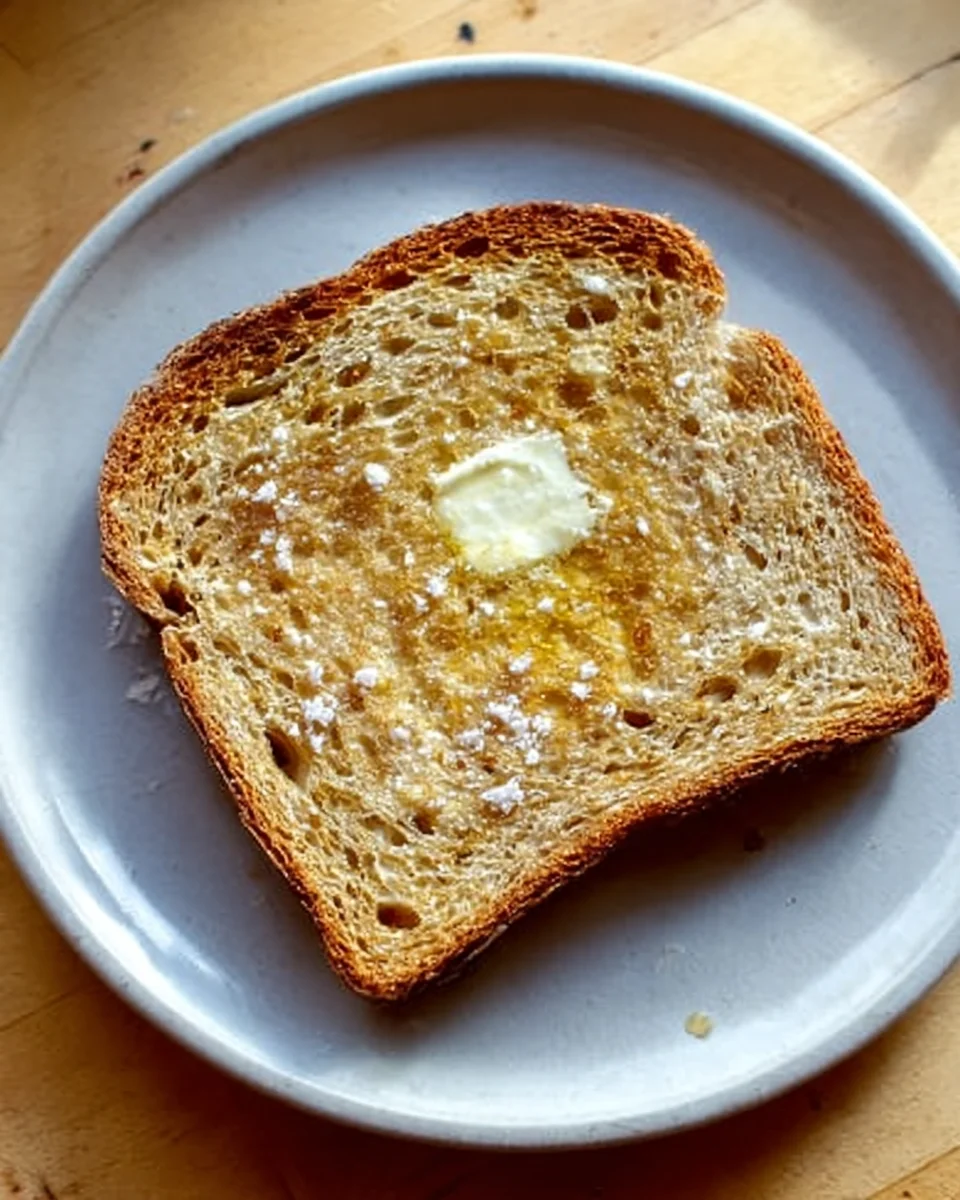
Like my favorite maple-oat and three-seed breads, this rye bread is amazing toasted. It crisps up beautifully and the flavors just shine.
Storage Tips
Once your rye bread cools completely, store it in an airtight container or bread box at room temperature for up to 3 days. If you want to keep it longer, slice and freeze it in zip-top bags. Just toast slices straight from the freezer whenever a rye craving strikes!
Make-Ahead Tips
This dough is perfect for prepping the day before. After the first rise, cover it tightly and pop it in the fridge overnight. The slow chill rise boosts flavor and lets you bake fresh bread right when you need it.
Variations
- Swap caraway seeds for fennel or anise seeds for a slightly different twist.
- Add chopped toasted walnuts or sunflower seeds to the dough for a crunchy surprise.
- Try substituting half of the bread flour with whole wheat for an earthier loaf.
Serving Suggestions
- Slice thick and slather with butter and your favorite jam for classic comfort.
- Make an open-faced sandwich with cream cheese, smoked salmon, and fresh dill.
- Use toasted rye slices for hearty grilled cheese or reuben sandwiches.
Recipe FAQs
- Can I use all rye flour? Using 100% rye will make the bread much denser and heavier. For a lighter loaf, keep it below 30% rye flour.
- Why do you use instant yeast? Instant yeast mixes quickly without proofing, making this no-knead recipe easy and hands-off.
- What if I don’t have a kitchen scale? Measuring by volume works, but weigh your main ingredients if possible for best results.
- How do I know when the bread is done? The crust should be deep golden brown, and the loaf sounds hollow when tapped on the bottom.
A cozy no-knead rye bread combining bread and rye flours, lightly sweetened with honey and flavored with optional caraway seeds. The bread has a gentle tang, chewy texture, perfect for sandwiches or toasted. Simple preparation with one loaf pan baking.
- Total Time: 3 hours 55 minutes
- Yield: 1 loaf (8.5×4.5-inch or 9×5-inch pan) 1x
Ingredients
- 3 cups bread flour (360g)
- 1 cup rye flour (120g)
- 1 teaspoon salt
- 2 teaspoons instant yeast
- 1 tablespoon caraway seeds (optional)
- 1 1/4 cups warm water (about 295ml)
- 1 tablespoon honey
- 1 tablespoon oil (e.g., vegetable or olive oil)
Instructions
- In a large bowl, whisk together the bread flour, rye flour, salt, instant yeast, and caraway seeds if using.
- In a separate bowl or cup, whisk the honey into the warm water until dissolved.
- Pour the honey-water mixture into the dry ingredients, then add the oil.
- Use a spatula to stir together until a sticky, shaggy dough forms.
- Cover the bowl with plastic wrap or a clean towel and let the dough rise until doubled in size, about 2 to 3 hours depending on kitchen temperature.
- Once risen, rub 1 tablespoon of oil over the surface of the dough to keep it moist.
- Gently deflate the dough by pressing it down, then turn it onto a lightly floured surface.
- Flip the dough over and shape it into a loaf.
- Transfer the shaped loaf into a buttered 8.5×4.5-inch or 9×5-inch loaf pan.
- Let the dough rise again in the pan until it bulges about 1 inch above the rim (approximately 1 to 1.5 hours).
- Preheat the oven to 375°F (190°C).
- Bake the bread for 45 minutes until the crust is deep golden brown and the loaf sounds hollow when tapped on the bottom.
- Remove the bread from the oven and let it cool for at least 30 minutes before slicing.
Notes
Caraway seeds add a subtle citrus and anise flavor but are optional and can be substituted with fennel or anise seeds., Use a kitchen scale for accurate measurements to ensure consistent results., Slow chill rise option: after the first rise, cover and refrigerate the dough overnight for increased flavor and to bake fresh bread the next day., Frozen storage: slice cooled bread and freeze in zip-top bags; toast slices directly from freezer., Avoid using 100% rye flour as it will result in a denser, heavier loaf; keep rye flour below 30% of total flour for lighter texture.
- Prep Time: 10 minutes
- Cook Time: 45 minutes
- Category: Main Course / Bread
- Cuisine: American bakery style
Nutrition
- Serving Size: 1 slice
- Calories: Approximately 150-180 calories per slice (varies with slice thickness)
- Fat: Approximately 2 g per slice
- Carbohydrates: Approximately 30 g per slice
- Protein: Approximately 5 g per slice