Parmesan-Crusted Catfish: A Deliciously Crispy and Easy Recipe

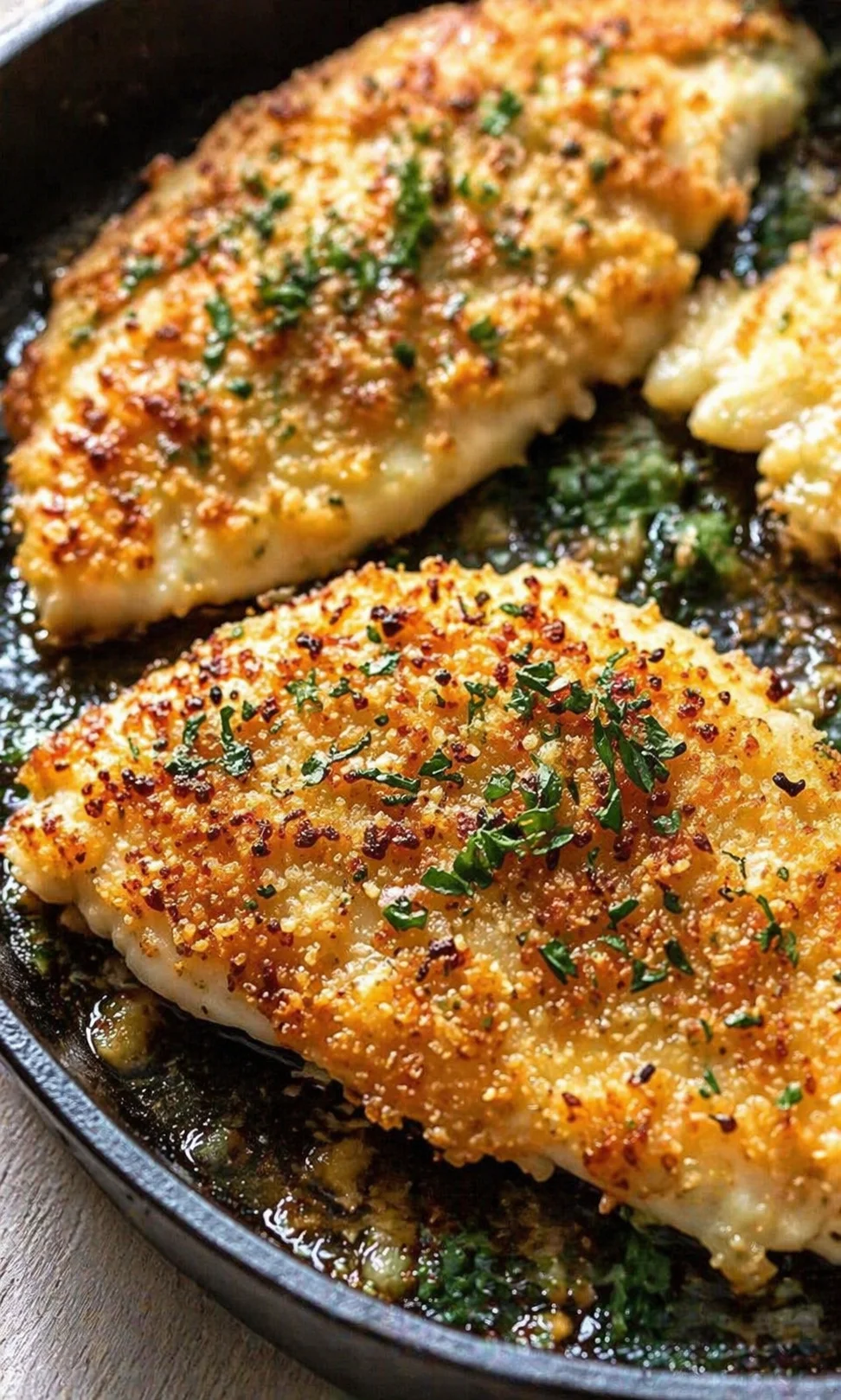
Parmesan-Crusted Catfish: A Crispy, Flavor-Packed Dish You Can Make Anytime
Parmesan-Crusted Catfish turns simple fish fillets into a golden, crispy delight that bursts with savory flavor. This recipe is both easy and elegant, blending tender catfish with a crunchy Parmesan and herb crust for a dish that feels special but comes together quickly. Whether you’re just starting to cook fish or want a dependable dinner option, this straightforward recipe gives you delicious results every time.
Hey there! This Parmesan-Crusted Catfish recipe transforms basic fillets into a dish with a crispy, cheesy crust that locks in all the juicy, flaky goodness of the fish. The best part? It’s quick and fuss-free. With a few simple steps and a short bake time (plus a quick broil if you like things extra crispy), you can have a tasty, restaurant-quality dinner ready in less than 30 minutes.
You’ll find everything you need right here — easy-to-follow ingredients, step-by-step instructions, and smart tips for avoiding common pitfalls. Plus, I’m sharing ideas for switching things up based on what you have or prefer. So, whether it’s a busy weeknight or a special occasion, this dish is ready to impress without the stress.
- What you’ll get: a clean ingredient list and clear, detailed cooking steps.
- How to make the perfect crust: tips about cheese, oven temps, and keeping moisture in check.
- Cooking options: bake, broil, pan-fry, air-fry, and even gluten-free variations.
- Final touches: ideas for serving, storing, reheating, and answers to your FAQs.
What Makes It Special
This Parmesan-Crusted Catfish really shines because it pairs the mild, sweet taste of catfish with the rich, nutty flavor of Parmesan cheese. The crust doesn’t just taste amazing—it seals in moisture, so you get flaky, tender fish inside with a satisfyingly crispy outside. That melted, golden cheese adds a depth of flavor that turns a simple meal into something special.
Another huge plus is how forgiving this cook method is. Catfish is firm enough to hold up well during baking or broiling (as in this Crispy Mississippi Catfish: A Foolproof Oven-Baked Recipe), so it’s hard to dry out or overcook, especially with that handy Parmesan crust acting like a shield to keep the fish moist.
This recipe is also wonderfully flexible. You can easily tweak the herbs or spices, try different cooking techniques, or swap ingredients to suit your tastes or dietary needs. No fancy skills required, just big flavor and simple steps.
The secret to that crisp crust lies in the cheese. Parmesan has less moisture than other cheeses, which means it crisps up beautifully without burning quickly. Plus, the breadcrumbs soak up butter or oil, giving you a wonderful layered crunch. That same Parmesan-and-breadcrumb magic also makes crispy baked eggplant Parmesan so satisfying.
When heat meets the proteins and sugars in the cheese, the Maillard reaction kicks in, creating the golden color and deep, complex flavors we all love. Getting the oven temperature just right is key to nailing this.
All in all, Parmesan-Crusted Catfish offers restaurant-style flavor and texture with minimal effort and simple ingredients. It’s a crowd-pleaser for all ages and an easy recipe to customize in ways that fit your family’s preferences.
Plus, it’s a smart choice when thinking about nutrition — catfish is lean and a great protein source with omega-3s, and Parmesan adds flavor without packing in extra fat or calories. You get a wholesome meal that satisfies those comfort food cravings without guilt.
Whether you’re whipping up a quick meal for the family or hosting company, this recipe delivers reliable, tasty results every time. The easy prep and speedy cooking mean more time enjoying your dinner instead of stressing about it.
Ingredients and Sourcing Tips
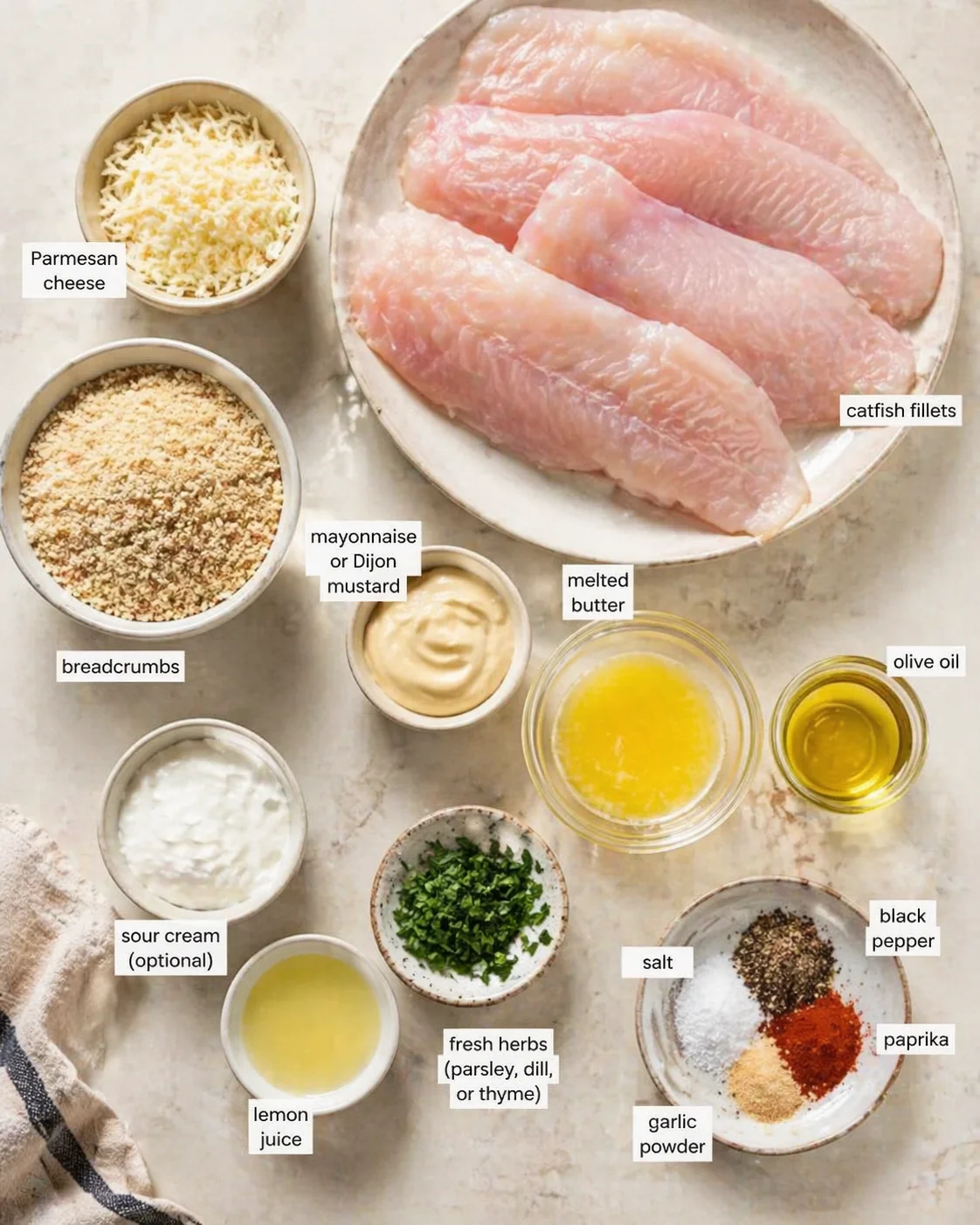
- 4 to 6 medium catfish fillets (3 to 5 ounces each), skinless
- 1/3 to 1/2 cup freshly grated Parmesan cheese
- 3/4 cup breadcrumbs (panko or Italian-seasoned)
- About 2 tablespoons mayonnaise or Dijon mustard per fillet
- 1/2 cup melted butter
- 1 to 2 tablespoons fresh herbs (parsley, dill, or thyme) or 1 teaspoon dried
- Salt
- Black pepper
- Paprika
- Garlic powder
- 1/2 tablespoon fresh lemon juice
- Sour cream (optional)
- Olive oil (for drizzling or as a swap for butter)
How to Cook the Catfish
- Preheat the oven to 375°F (or set the broiler to high); position the rack about one-third from the top of the oven.
- Line a baking sheet with parchment paper or lightly grease a 13×9-inch dish; for extra crispness, place a wire rack on the baking sheet.
- Pat catfish fillets dry with paper towels to remove excess moisture.
-
Season both sides of the fillets with salt, black pepper, and garlic powder; let sit at room temperature for about 5–20 minutes.
- In a shallow bowl, combine breadcrumbs, freshly grated Parmesan, chopped parsley, paprika, and any desired dried herbs.
- Mix mayonnaise, sour cream, melted butter, fresh herbs, and lemon juice to make an herb spread (or use melted butter alone).
- Spread the mayo/herb mixture over the top of each fillet, then firmly press the fillets into the breadcrumb-Parmesan mixture to coat the top.
-
Arrange the coated fillets crust-side up on the prepared baking sheet, spacing about 1 inch apart; optionally drizzle or spray olive oil over the crust.
- Bake in the preheated oven for 15–20 minutes, checking at 15 minutes, until the internal temperature reaches 145°F and the fish flakes easily with a fork.
- Optional: broil the fillets 2–3 minutes to further brown and crisp the crust, watching closely to prevent burning.
-
Remove the fish from the oven and let rest 3–5 minutes before serving.
Pro Tips for a Perfect Crust
Getting the perfect Parmesan crust is all about a few key details. First off, freshly grated Parmesan cheese really makes a difference—you won’t get that great melt or browning from pre-shredded kinds because of the anti-caking agents they add.
Keep your oven temperature steady, ideally with an oven thermometer. Many ovens run hotter or cooler than they say, so this little tool is a gem. Also, try not to open the oven door too often since it drops the heat and messes with cooking times.
If broiling, place your fish 4 to 6 inches away from the heat source—any closer and the crust might burn before the fish cooks. Also, turn the pan halfway through broiling to get even browning on all fillets.
Moisture is your enemy when it comes to crispy coatings. So make sure to dry your fillets really well before seasoning or coating them. Avoid marinades or wet rubs here, as they’ll make your crust soggy.
Don’t crowd the pan! If your fillets are too close, steam builds up and softens the crust. Cook in batches if you need to, giving each piece plenty of room.
Apply your binding layer (mayonnaise, mustard, or butter) thinly and evenly. Too much makes the crust slippery and greasy; too little and your coating won’t stick right.
Press the breadcrumb mix firmly onto the fish, but don’t handle it too much or the coating will compact and lose crispness. Work quickly but gently.
Fresh herbs really brighten this dish, so add those whenever you can. If you have to use dried, cut back by two-thirds, since dried herbs pack more punch. Also, the type of butter you use matters—high-quality butter browns better and adds richness.
Pick fillets that are about the same size and thickness to make sure everything cooks evenly. Thicker pieces will need a little more time, so adjust accordingly.
Overcooking is the most common mistake. Catfish cooks pretty fast, so start checking it at 15 minutes to keep it juicy.
Wet fillets lead to crumb coat disasters, so remember the drying step—this really can’t be skipped!
Another common error is slathering on too much mayo or butter—use just enough to make a tacky surface for the coating to cling.
Cooking fillets straight from the fridge can cause uneven results—the outside overcooks while the center stays cold. Let the fish sit out for 15-20 minutes before baking for best texture.
Avoid high heat that burns the crust before the fish cooks through. Sticking to 375°F to 400°F works well.
Don’t serve immediately after baking without resting. Let the fish chill for a few minutes to let the crust settle and fix itself to the fillets—which makes serving easier and neater.
Resist flipping your fish while it cooks! The crust only goes on top and flipping can knock it off.
Choosing the perfect sides will take your Parmesan-Crusted Catfish from a simple dinner to a full-on feast. Try to pair the rich, crispy fish with fresh, light accompaniments that balance the flavors and textures.
Coleslaw: A creamy coleslaw offers a refreshing crunch and tangy zip that contrasts the warm, cheesy fish wonderfully. Plus, it’s super easy to make ahead.
Hush Puppies: Those golden cornmeal balls are classic Southern companions, bringing a slightly sweet, crunchy bite that works perfectly with the savory Parmesan crust.
Collard Greens: Slow-cooked with onions, these provide a nutritious, slightly bitter balance to the mild fish and cheesy crust, adding important fiber and vitamins.
French Fries: Whether shoestring, steak-cut, or sweet potato, these crispy spuds are happy sidekicks to almost any fried or baked fish.
Cucumber Salad: Cool and crisp cucumbers with red onions dressed in a light vinaigrette refresh your palate. This quick-to-make side adds hydration and crunch.
Garden Salad: Mixed greens with fresh veggies and a gentle vinaigrette lighten up the meal; a bright option like Lemon Parmesan Kale Salad keeps things fresh. Keep the dressing simple to let the fish shine.
Grilled Asparagus: Roasting or grilling asparagus—try this Roasted Parmesan Asparagus—with lemon and garlic brings out natural sweetness and pairs nicely with Parmesan’s flavors.
Cheese Grits: Creamy, cheesy Southern-style grits offer a smooth contrast to the crunchy crust, and jalapeño cheese grits add a fun kick.
Rice Pilaf: A light rice dish, especially with hints of cilantro and lime, soaks up any drippings and keeps things budget-friendly and easy.
Potato Salad: Classic creamy potato salad is a comforting side you can prepare well in advance for convenience.
Macaroni and Cheese: This rich, creamy crowd-pleaser pairs beautifully with the crunchy crust, especially for kids and comfort food lovers.
Fried Green Tomatoes: Tangy and crisp, they mirror the fish’s crunch and bring a bright, vibrant flavor contrast to the plate.
Fried Okra: This traditional Southern vegetable side brings crunchy texture without taking over the taste buds, complementing the catfish nicely.
Mix-Ins and Flavor Twists
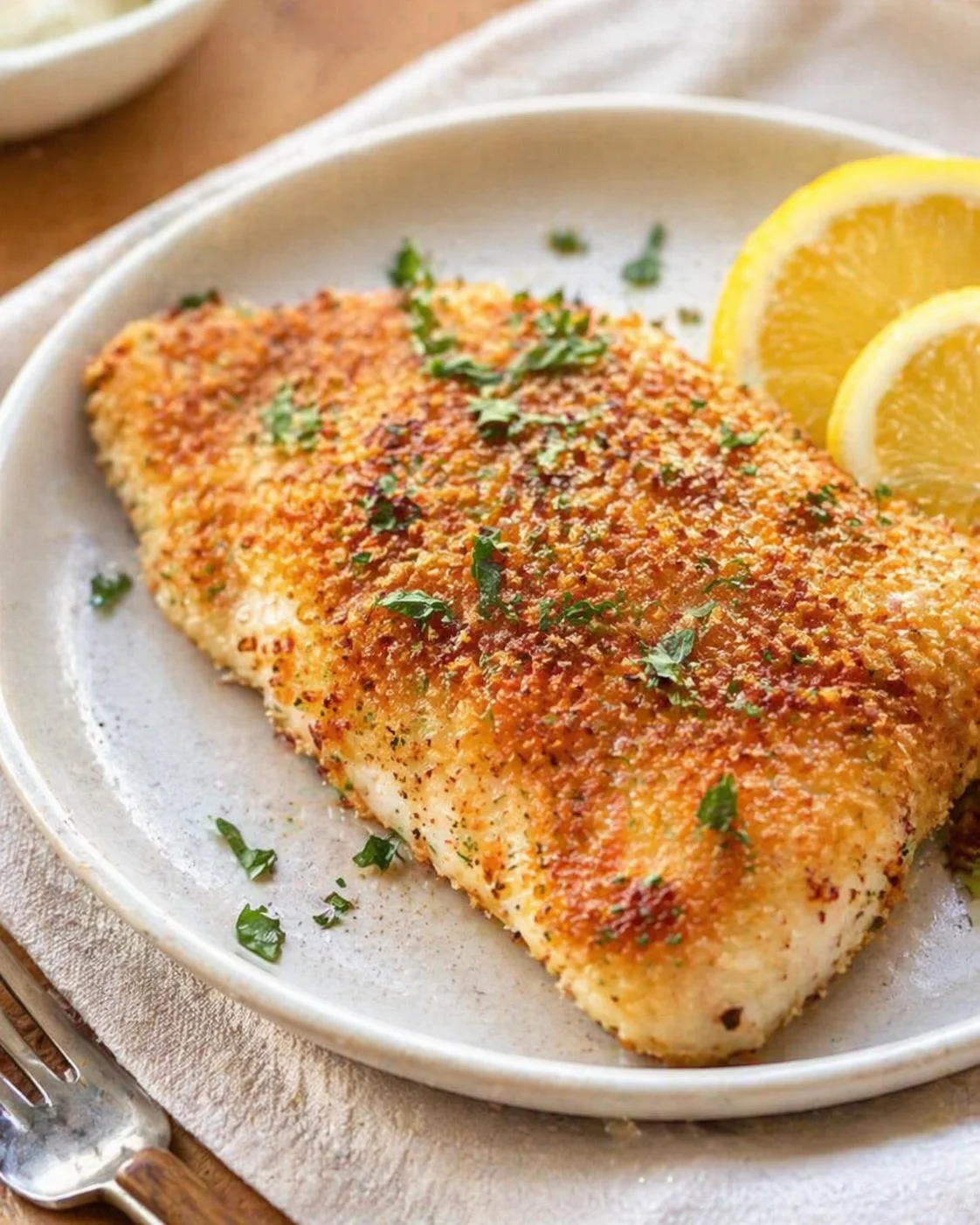
This Parmesan-Crusted Catfish recipe is a fabulous base that you can easily change up to suit your cravings or dietary needs. Playing around with herbs and spices lets you create all sorts of different flavor profiles.
Cajun Parmesan Catfish: Stir 1 to 2 tablespoons of Cajun seasoning into your breadcrumb mix for a spicy kick. Add extra paprika to boost color and mild heat. Serve this with a cool cucumber salad for perfect balance.
Garlic Parmesan Catfish: Add 2 to 3 cloves of minced garlic to the coating, plus extra garlic powder in the breadcrumbs for a bold garlic lover’s dish. Pairs wonderfully with roasted veggies.
Lemon Herb Catfish: Add lemon zest right into the Parmesan mixture and drizzle fresh lemon juice over the cooked fish. Toss in double the fresh herbs for a fresh, springtime flavor that lightens the dish beautifully.
Italian-Style Catfish: Use Italian-seasoned breadcrumbs and mix in dried oregano, basil, and a dash of red pepper flakes. Serve with warm marinara for dipping, giving you those cozy Italian-American vibes.
Pan-Fried Version: Cook your crusted fillets in a buttered skillet over medium heat for an even crispier crust. Just keep an eye on the oil and flip carefully.
Grilled Parmesan Catfish: Heat your grill to medium-high and use a fish basket for easy flipping. Apply the crust carefully, as grilling can shake off crumbs, but it lends a lovely smoky flavor.
Air Fryer Method: Pop the coated fillets in a 400°F air fryer for about 10 to 12 minutes—no flipping needed. This technique delivers amazing crispiness using little to no oil.
Gluten-Free Option: Swap out regular breadcrumbs for gluten-free panko or crushed gluten-free crackers. You can also use finely ground almonds or pecans for a nutty crust twist.
Lower-Fat Version: Substitute mayo with Greek yogurt and cut back on the butter. Use cooking spray instead of drizzling oil. These tweaks slash calories but keep taste intact.
Spicy Variation: Add cayenne pepper, hot sauce, or crushed red pepper flakes to your coating for a fiery twist. Pair it with a zesty Creole remoulade or chipotle aioli for an extra punch.
Storing and Reheating Advice
To keep your Parmesan-Crusted Catfish tasting great after cooking, store leftovers properly and mind food safety. Pop cooled fish into an airtight container within two hours of cooking to avoid bacteria growth and keep moisture locked in.
Leftover catfish will stay good in the fridge for 3 to 4 days. Store pieces in a single layer or separated by paper towels to keep that crust from getting soggy. Those chilled leftovers also make great fillings for Southern Catfish Tacos with Crunchy Slaw.
Avoid leaving cooked fish at room temperature for too long because bacteria multiply fast between 40°F and 140°F. When in doubt, toss it to stay safe.
Label leftovers with dates so you know when to eat them by. Always reheat to at least 165°F before digging in.
You can freeze cooked Parmesan-Crusted Catfish for 2 to 3 months, though the crust might get a bit softer. Wrap each portion tightly in plastic wrap and then seal in freezer bags, removing excess air to prevent freezer burn. Don’t forget to label!
For raw catfish, keep it refrigerated no more than 1 to 2 days, or freeze at 0°F for longer storage. When storing before cooking, keep it properly iced using crushed ice for better coverage and freshness.
When reheating, the oven is your best friend. Preheat to 350°F, place the fish on a baking sheet, and heat for 10 to 15 minutes until warmed through and the crust crisps back up. Prefer an air fryer? This crispy air fryer cod filet recipe offers a helpful reference for temperatures and timing to keep breaded fish crunchy.
Microwaving is a no-go if you want to keep the crust crispy. If you must, use short bursts at half power, but expect sogginess and some dryness in the fish.
For frozen cooked fish, thaw overnight in the fridge or use cold water thawing, changing the water every 30 minutes, to ensure even reheating without drying edges.
Answers to Common Questions
What helps the Parmesan crust stick to the catfish?
Usually, a binding agent like mayonnaise, mustard, or butter creates a tacky surface for the breadcrumb mixture—the same technique used in Garlic Parmesan Chicken Thighs. Plus, the fish’s natural moisture works with this to keep the crust in place as it cooks.
Can I prepare Parmesan-Crusted Catfish in advance?
Yes, you can coat the fillets and refrigerate them uncovered for up to 4 hours before baking. This actually helps the crust set and stick better. Just bake when you’re ready to serve for the best texture.
How do I know when the catfish is done?
The fish is cooked through when it reaches 145°F internally and flakes easily with a fork. The flesh should look opaque all the way through, not translucent.
Can I use other fish besides catfish?
Absolutely! This Parmesan crust works great on cod, tilapia, halibut, or any firm white fish. Just adjust cooking times to match the fillet thickness.
Why did my Parmesan crust burn?
Most often, it’s because the oven temperature was too high or the fish was too close to the broiler. Also, older Parmesan cheese can burn faster. Try lowering the heat and watching closely next time.
Is Parmesan-Crusted Catfish a healthy option?
Yes! Catfish is lean and packed with protein and omega-3 fatty acids, and Parmesan adds rich flavor without a lot of extra fat when used moderately.
What can I use instead of mayonnaise?
Greek yogurt, sour cream, or Dijon mustard are great alternatives, each providing moisture and helping the coating stick. Pick based on your taste preference.
Can I make this recipe gluten-free?
Yes, just swap regular breadcrumbs for gluten-free panko or finely ground nuts. The rest of the ingredients are naturally gluten-free and the crust stays wonderfully crispy. For a naturally gluten-free side, try Brazilian Cheese Bread.
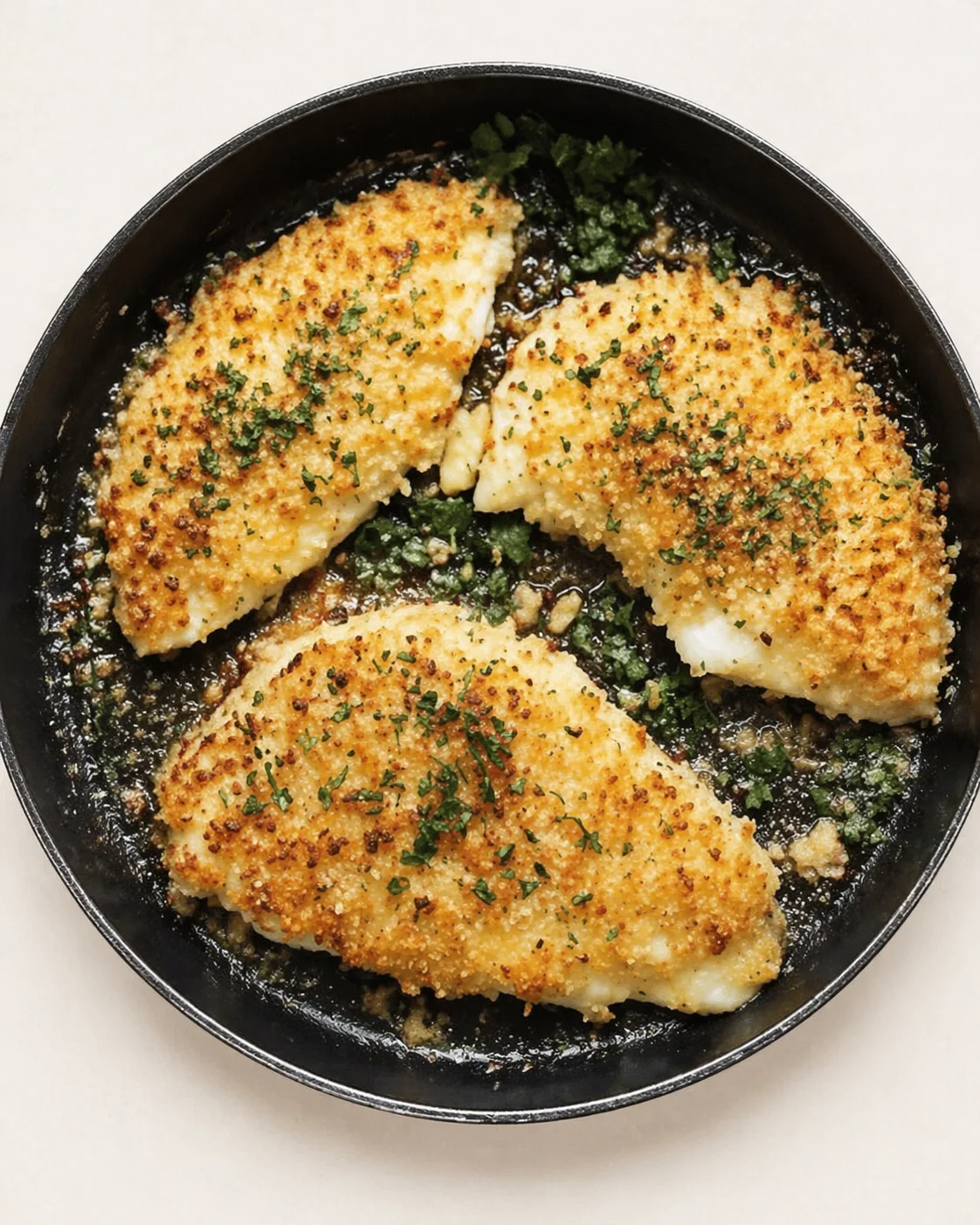
A crispy, flavorful catfish dish with a Parmesan and herb breadcrumb crust that is easy to prepare and perfect for quick meals or special occasions.
- Total Time: 25-30 minutes
- Yield: 4-6 servings 1x
Ingredients
- 4 to 6 medium catfish fillets (3 to 5 ounces each), skinless
- 1/3 to 1/2 cup freshly grated Parmesan cheese
- 3/4 cup breadcrumbs (panko or Italian-seasoned)
- About 2 tablespoons mayonnaise or Dijon mustard per fillet
- 1/2 cup melted butter
- 1 to 2 tablespoons fresh herbs (parsley, dill, or thyme) or 1 teaspoon dried herbs
- Salt to taste
- Black pepper to taste
- Paprika to taste
- Garlic powder to taste
- 1/2 tablespoon fresh lemon juice
- Sour cream (optional)
- Olive oil (for drizzling or as a substitute for butter)
Instructions
- Preheat the oven to 375°F (or set the broiler to high) and position the oven rack about one-third from the top.
- Line a baking sheet with parchment paper or lightly grease a 13×9-inch dish; place a wire rack on the baking sheet for extra crispness if desired.
- Pat the catfish fillets dry with paper towels to remove excess moisture.
- Season both sides of the fillets with salt, black pepper, and garlic powder; let them sit at room temperature for 5 to 20 minutes.
- In a shallow bowl, combine breadcrumbs, freshly grated Parmesan, chopped parsley, paprika, and any desired dried herbs.
- Mix mayonnaise, sour cream (if using), melted butter, fresh herbs, and fresh lemon juice to make an herb spread (or use melted butter alone).
- Spread the mayo/herb mixture evenly over the top of each fillet.
- Firmly press each fillet, coating side down, into the breadcrumb-Parmesan mixture to coat the top.
- Arrange the coated fillets crust-side up on the prepared baking sheet, leaving about 1 inch of space between them.
- Optionally drizzle or spray olive oil over the crust for additional crispness.
- Bake in the preheated oven for 15 to 20 minutes, checking at 15 minutes, until the internal temperature reaches 145°F and the fish flakes easily with a fork.
- Optional: Broil the fillets for 2 to 3 minutes to further brown and crisp the crust, watching closely to prevent burning.
- Remove the fish from the oven and let it rest for 3 to 5 minutes before serving.
Notes
Use freshly grated Parmesan cheese for the best melt and browning; pre-shredded cheese contains anti-caking agents that can affect texture., Keep the oven temperature steady and avoid opening the oven door frequently to maintain heat and cooking consistency., If using the broil setting, place the fish 4 to 6 inches from the heat source and turn the pan halfway through for even browning., Dry fillets thoroughly before seasoning and coating to ensure a crispy crust., Avoid overcrowding the pan to prevent steam buildup which can soften the crust; cook in batches if needed., Apply the binding herb mixture thinly and evenly to help coating stick without becoming greasy., Press the breadcrumb mixture firmly but gently onto the fillets to maintain crispiness without compacting., Choose fillets of similar size and thickness for even cooking; adjust baking time accordingly if thicker., Let the fish sit out 15-20 minutes before cooking to ensure even cooking and texture., Rest fish after cooking to allow the crust to set for easier serving and better texture., Consider swapping mayonnaise with Greek yogurt, sour cream, or Dijon mustard for variation or reduced fat., To make gluten-free, use gluten-free breadcrumbs or finely ground nuts instead of regular breadcrumbs., For alternative cooking methods: pan-fry in a buttered skillet over medium heat, grill on medium-high using a fish basket, or air fry at 400°F for 10-12 minutes without flipping.
- Prep Time: 10 minutes
- Cook Time: 15-20 minutes (plus optional 2-3 minutes broiling)
- Category: Main Course
Nutrition
- Serving Size: 1 fillet
- Calories: Approximately 350-400 kcal per serving (varies with ingredient amounts and sides)
- Fat: Approximately 20 grams per serving (includes butter, cheese, mayonnaise)
- Carbohydrates: Approximately 15-20 grams per serving (from breadcrumbs and coating)
- Protein: Approximately 25-30 grams per serving