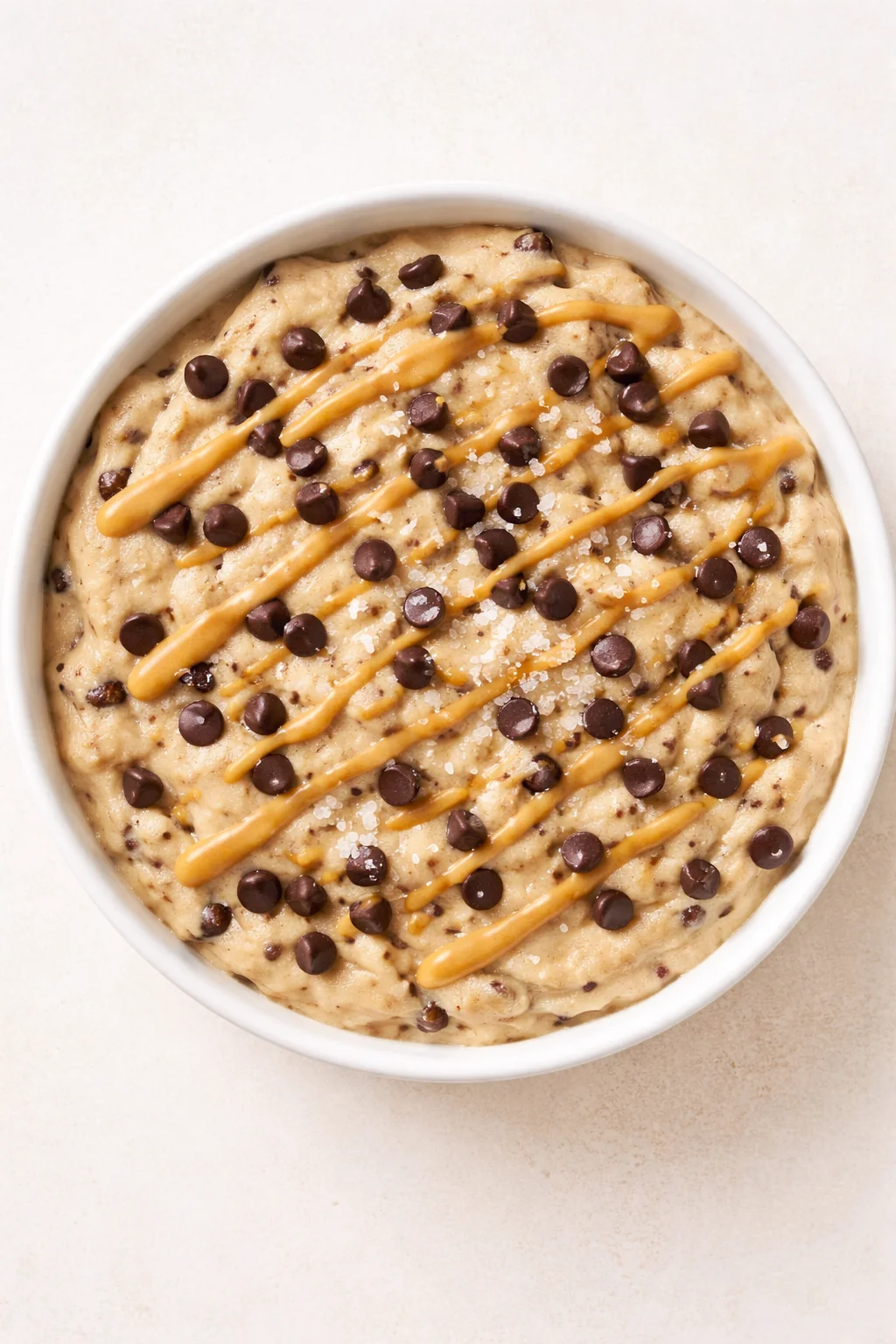
Protein Greek Yogurt Cookie


Welcome! If you want a cookie that genuinely hits the spot with sweetness but also sneaks in some protein, this is your recipe. The combo of creamy Greek yogurt, a scoop of protein powder, and oat flour gives you soft, chewy cookies that come together quickly without leaving you feeling weighed down.
Here’s the quick scoop: you’ll spend about 25 minutes total—10 minutes prepping, about 10 to 12 minutes baking—and end up with roughly a dozen tablespoon-sized cookies. Each cookie packs about 8 to 10 grams of protein, depending on your chosen mix-ins and the brands you use.
Keep reading for everything you need: a handy ingredient list, clear step-by-step instructions, texture tips, fun mix-in ideas, tricks for storing and reheating, helpful swaps for different diets, plus a FAQ and nutrition details so you know exactly what you’re enjoying.
Grab your Greek yogurt, preheat the oven, and I’ll guide you through turning simple pantry staples into a truly satisfying, protein-rich cookie experience.
Why They’re a Protein Win
Wondering why you’d swap your go-to chocolate chip cookie for a Greek yogurt protein version? Here’s the scoop—protein isn’t just for muscle buffs; it helps keep you full, steady, and focused.
And if you’re anything like me, you’ve tried plenty of “healthy” cookies that taste like dry cardboard. These? They actually taste great. No joke.
- Protein Power: Thanks to the Greek yogurt and my favorite whey powder, each cookie delivers a solid protein hit.
- Soft & Creamy: The yogurt keeps these cookies tender and chewy, so no one’s biting into a hard lump.
- Totally Customizable: Chocolate chips, nuts, seeds, or berries—add what you like and make them your own.
It’s seriously like having the best of both worlds—a treat that’s actually good for you. Once you taste how easy these come together, you’ll be asking why you waited this long to try them.
Let’s talk benefits, because anyone busy juggling family and life knows: taste is just part of the puzzle.
-
High Protein Content
- With Greek yogurt and protein powder, each cookie delivers roughly 8–10 grams of protein. That’s way more than your typical cookie which offers zero muscle fuel.
-
Lower Sugar Option
- Using natural sweeteners like honey or maple syrup means you get satisfaction without the sugar crash.
-
Healthy Fats Included
- Add nuts or dark chocolate chips for good fats and antioxidants, making your snack smarter, not emptier.
-
Gut-Friendly Ingredients
- Since Greek yogurt has probiotics, you get a little gut-friendly bonus along with your treat. Love that!
Honestly, eating one of these feels less like sneaking a guilty snack and more like treating yourself with purpose. Not that I don’t grab a classic cookie now and then—balance is key. But if you want a pick-me-up that actually nourishes, this is it.
Gather Your Ingredients
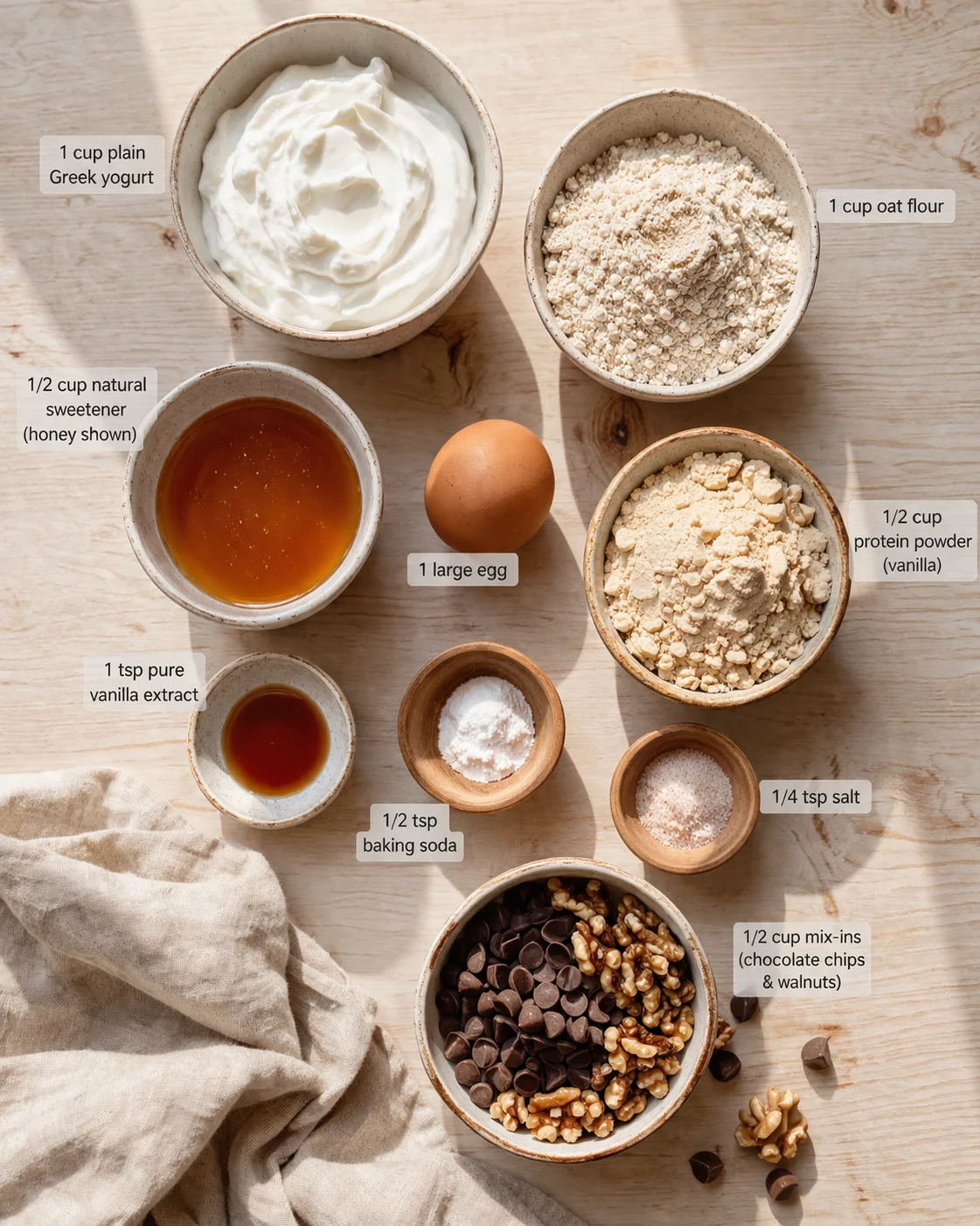
- 1 cup plain Greek yogurt (full-fat will give you richer flavor)
- 1/2 cup natural sweetener of your choice (honey, maple syrup, or coconut sugar work great)
- 1 large egg (bring it to room temp for best mix)
- 1 tsp pure vanilla extract
- 1 cup oat flour (make your own by pulsing oats in a blender if you like)
- 1/2 cup protein powder (vanilla or neutral whey is my top pick)
- 1/2 tsp baking soda
- 1/4 tsp salt
- 1/2 cup mix-ins like chocolate chips, nuts, or dried fruit (get creative!)
How to Make the Cookies
- Bring the egg to room temperature.
- Preheat oven to 350°F (175°C) and line a baking sheet with parchment paper or a silicone mat.
- Pulse rolled oats in a blender to make 1 cup oat flour (if not using store-bought oat flour).
-
In a large bowl, whisk 1 cup Greek yogurt, 1/2 cup sweetener, 1 large egg, and 1 tsp vanilla until smooth.
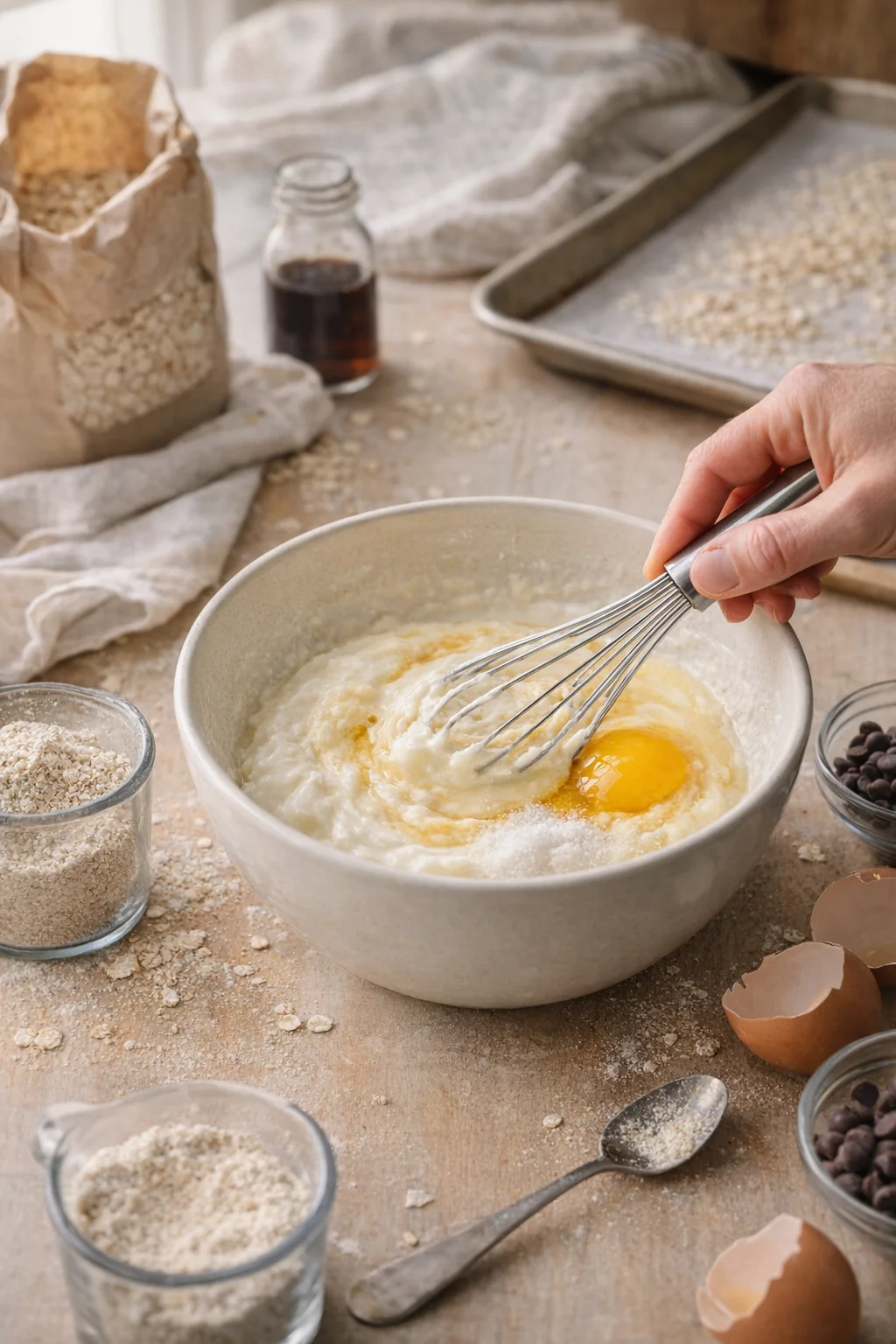
- In another bowl, whisk 1 cup oat flour, 1/2 cup protein powder, 1/2 tsp baking soda, and 1/4 tsp salt until evenly combined.
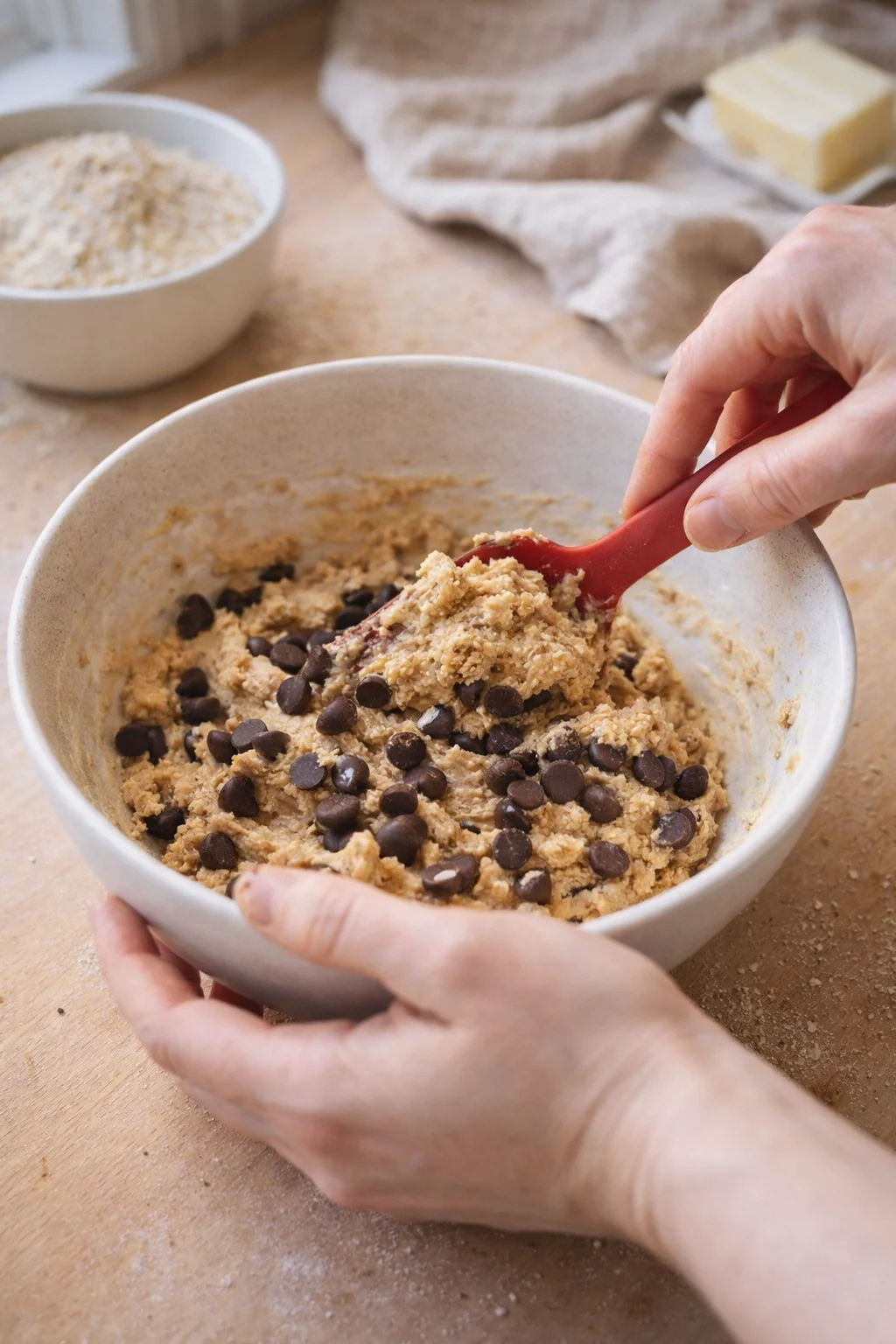
- Fold the dry ingredients into the wet mixture with a spatula until just combined—avoid overmixing.
- Fold in 1/2 cup mix-ins (chocolate chips, nuts, or dried fruit).
-
Chill the dough in the refrigerator for 15 minutes for thicker cookies (optional).
- Scoop tablespoon-sized portions of dough onto the prepared baking sheet, spacing about 2 inches apart.
- Press each dough mound down lightly to flatten slightly.
- Bake for 10–12 minutes, until the edges turn golden.
-
Let cookies cool on the baking sheet for 5 minutes, then transfer to a wire rack to cool completely.

Baker’s Tips for Success
Want to make your cookies even better? Here are some tricks I swear by to get texture just right:
-
Chill the Dough (Optional)
- If you’ve got 15 extra minutes, pop your mixed dough in the fridge. Chilling tightens the dough, resulting in a thicker cookie that won’t spread too much.
-
Oat Flour Alternatives
- Out of oat flour? Almond flour works as a 1:1 sub though the texture changes slightly—it’s still delicious though.
-
Protein Powder Tips
- I usually use whey protein, but plant-based protein works too. If you go plant-based, add an extra tablespoon of Greek yogurt to keep batter moist.
-
Keep Cookies Soft
- Store your cookies with a slice of bread inside an airtight container. The bread keeps moisture in, so your cookies won’t turn hard or dry out. Trust me, it works!
Ever bit into a “healthy” cookie only to feel like you’re chewing on sawdust? Not here. Follow these tips and your cookies will stay tender, tasty, and packed with that protein goodness.
Mix-Ins and Flavor Swaps
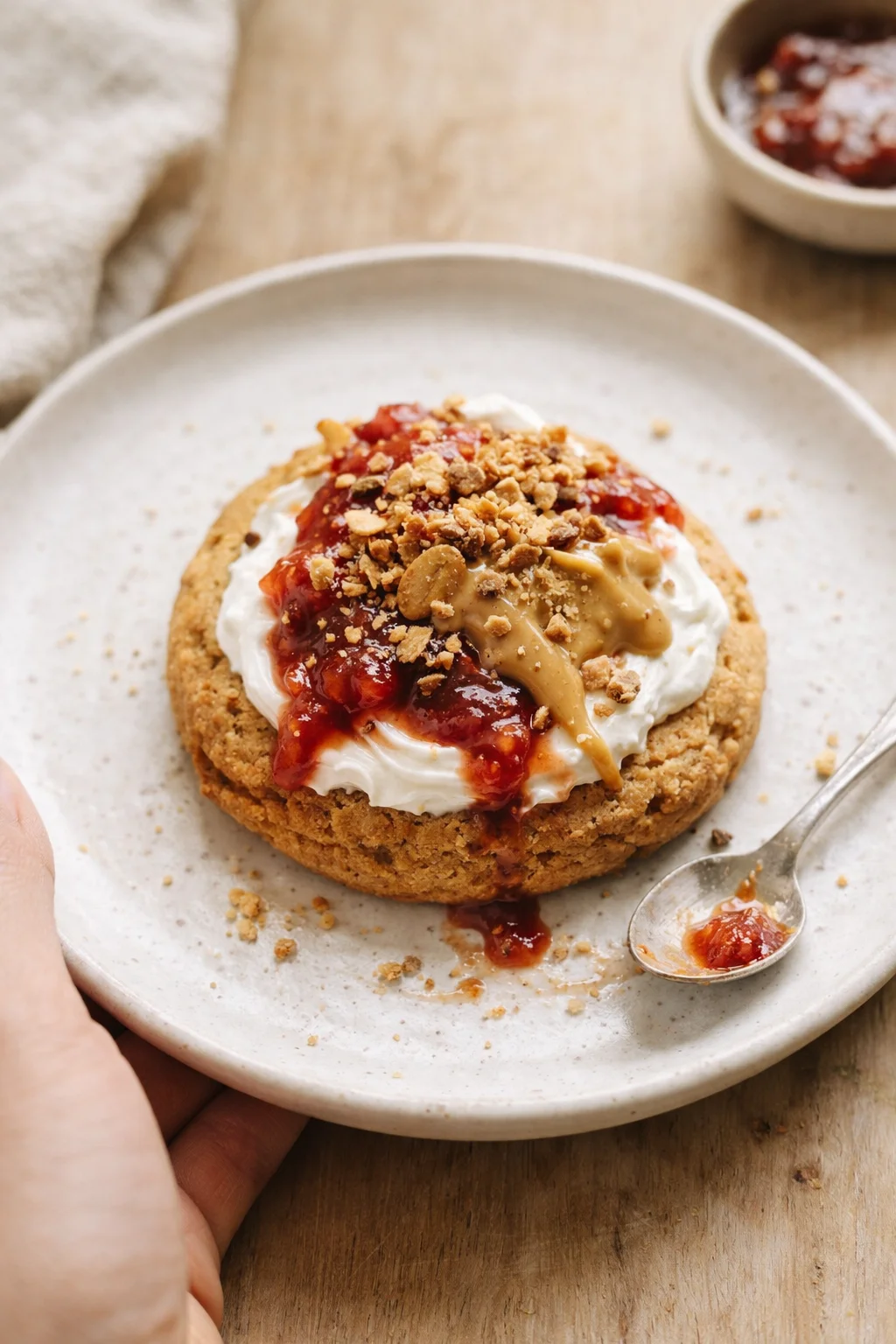
Want to get a little creative? Spice up your cookies with these tasty ideas to keep things fresh and fun.
-
Cinnamon Raisin Dream
- Trade chocolate chips for raisins and add 1 teaspoon cinnamon. It feels like a cozy breakfast treat.
-
Peanut Butter Swirl
- Drop little dollops of peanut butter on top of each cookie before baking, and swirl it in with a toothpick. Instant upgrade!
-
Berry Blast
- Fold in half a cup of fresh or freeze-dried berries for a refreshing tart kick.
-
Double Chocolate Delight
- Swap vanilla for chocolate protein powder and toss in extra chocolate chips. Chocolate lovers rejoice!
-
Nutty Guru
- Add chopped walnuts, pecans, or almonds for a crunchy nutty twist packed with good fats.
See? So many fun options. I often stick with the classic batch and mix in one or two of these variations to switch things up. Keeps cookie time exciting instead of boring!
Storing, Freezing, and Reheating
After baking, you want these gems to last and stay just as good as fresh. Here’s how I keep mine perfect (and safe from snack raids):
-
Room Temperature Storage
- Let cookies cool completely and store in an airtight container. They stay soft and yummy for about 3 to 4 days.
-
Freezing for Later
- Freeze cookies on a tray individually first, then pop them in a Ziploc bag. They’re good for up to 3 months—perfect for surprise cravings or busy days.
-
Best Reheating Tricks
- Warm frozen cookies in the microwave for 10 to 15 seconds or heat in a 300°F oven for about 5 minutes to get that fresh-baked chewiness back.
-
Serving Suggestions
- Enjoy alongside a cup of coffee for a morning boost, or dunk into Greek yogurt for extra creaminess.
- Crumble into oatmeal or smoothie bowls as a protein-packed, crunchy topping.
These cookies aren’t just snacks; they’re mini-meals that flex with your day. Snack smart and tasty!
Common Questions Answered
How many cookies does this make? You’ll get about 12 cookies, depending on how big you scoop them and what mix-ins you add.
Can I make these gluten-free? Absolutely! Oat flour is naturally gluten-free, but be sure to use certified gluten-free oats if you need to avoid gluten totally. Swapping in almond flour will affect texture a bit.
What’s a good substitute for oat flour? Almond flour is a great 1:1 swap—it’ll make a slightly denser, crumblier cookie. Or you can blend rolled oats yourself to DIY oat flour.
Can I use plant-based protein powder or make these vegan? Yes! Use a plant-based protein powder, dairy-free Greek-style yogurt, and swap the egg with a flax egg (1 tbsp ground flax + 3 tbsp water). Plant-based versions might be drier, so add extra yogurt if needed. Note that vegan swaps can change texture and protein numbers.
What if I don’t want to use an egg? Flax or chia eggs (same ratio as above) work well as binders. Cookies might be a bit more fragile, and protein content will drop compared to regular eggs.
Which protein powder is best? I recommend vanilla or neutral-flavored whey for the best texture and flavor, but any protein powder works. Plant-based protein might need an extra tablespoon of yogurt to keep dough moist.
Can I reduce the sugar? Definitely. Swap out the sweetener for a sugar substitute like erythritol or adjust quantity to your taste. Using low-sugar protein powder helps too.
How do I keep cookies soft? Take them out of the oven when edges are golden but centers still look slightly soft. Store cooled cookies in an airtight container with a slice of bread to lock in moisture. Reheat briefly to revive that chewy texture.
Why did my cookies spread too much or too little? If they’re spreading too much, chill the dough for 15 minutes before baking and don’t flatten the dough too much. If they don’t spread enough, flatten mounds more or add a teaspoon of liquid (extra yogurt) if batter feels dry.
How do I store and freeze them? Store at room temp in an airtight container up to 3–4 days. Freeze individually and then bag for up to 3 months. Reheat from frozen with the methods above.
Are the nutrition facts accurate? The snapshot (~120 calories, 8–10 g protein) is an estimate based on ingredients and a dozen cookies. Numbers will vary with brands and mix-ins you choose.