Roasted Rhubarb Barbecue Sauce

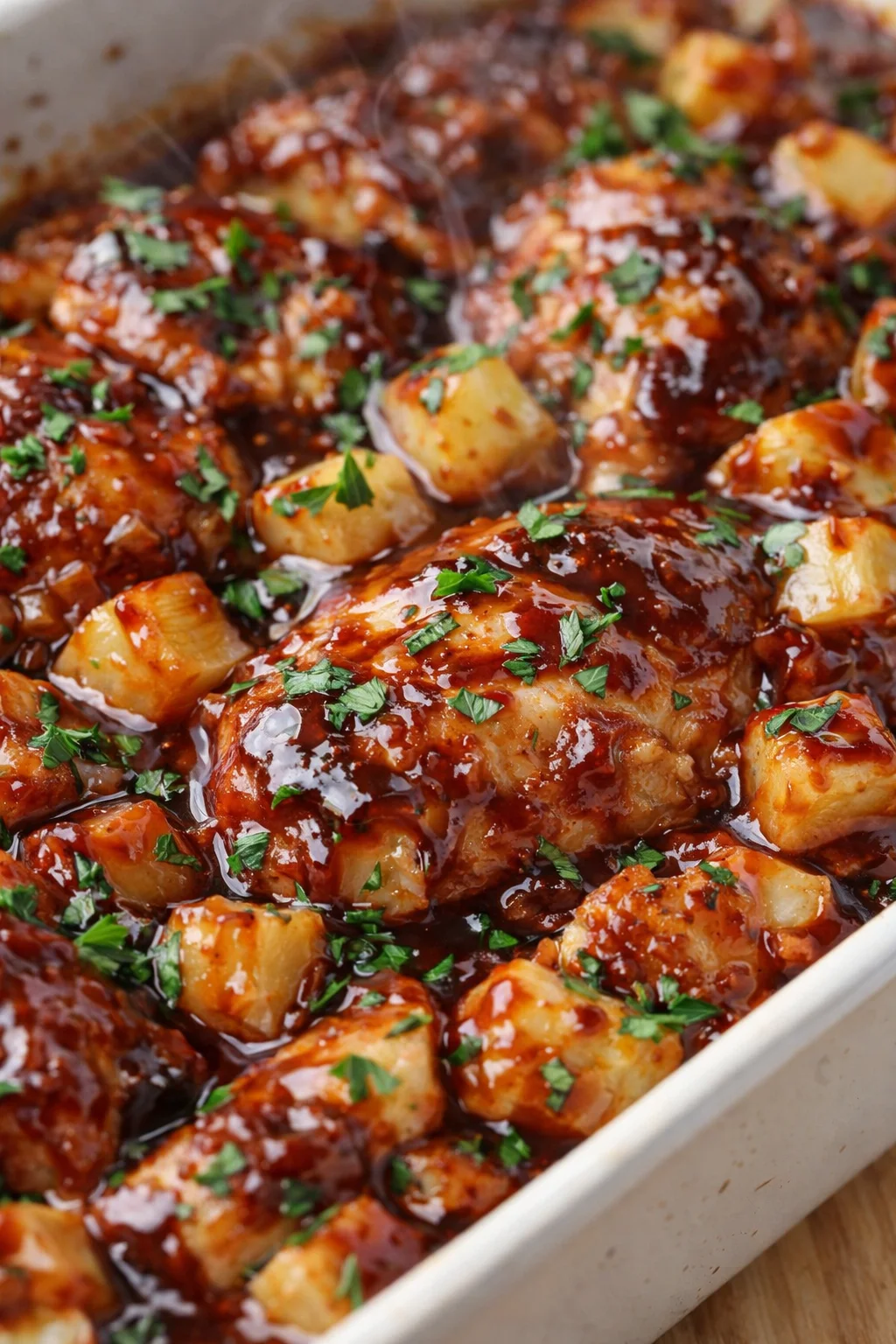
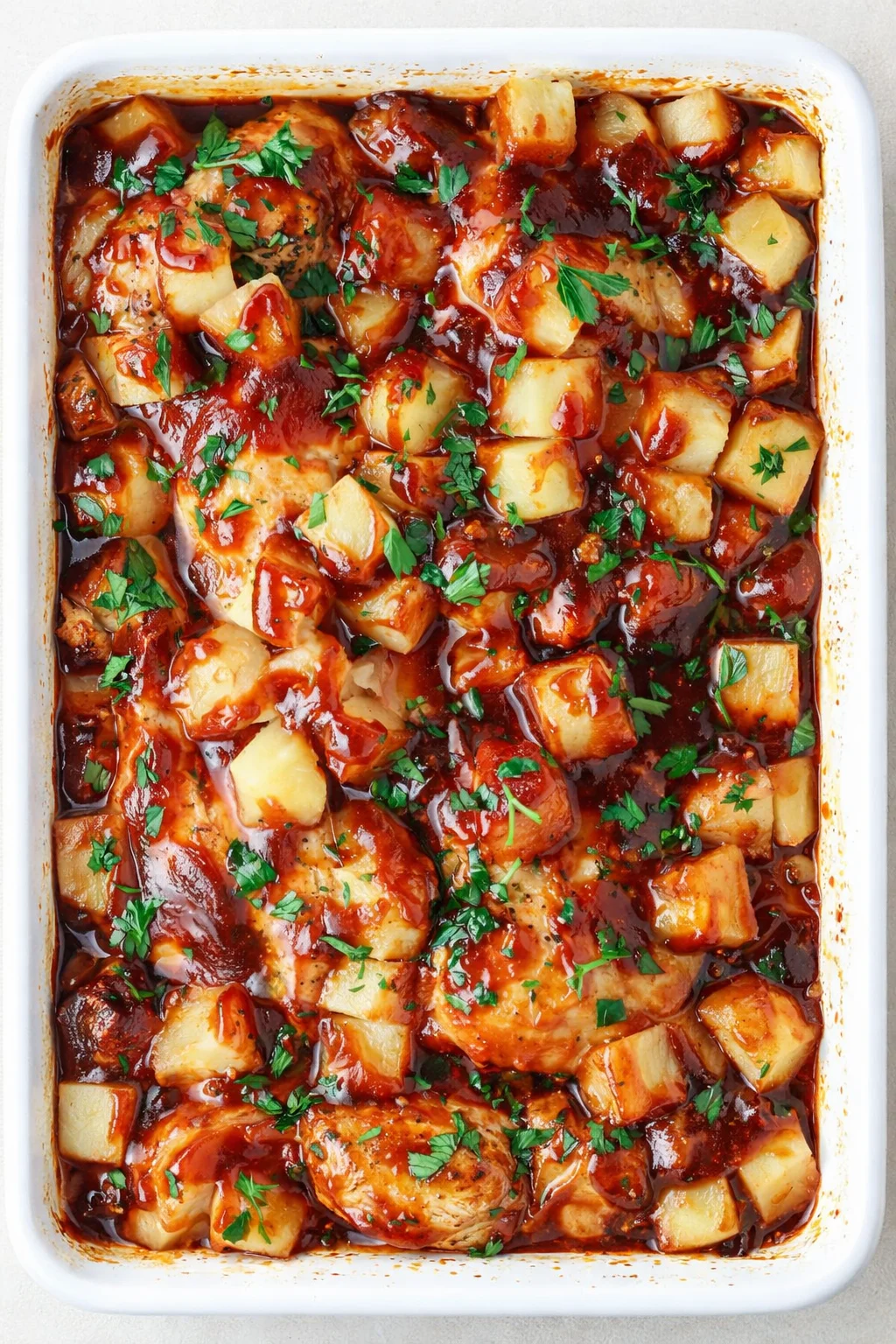
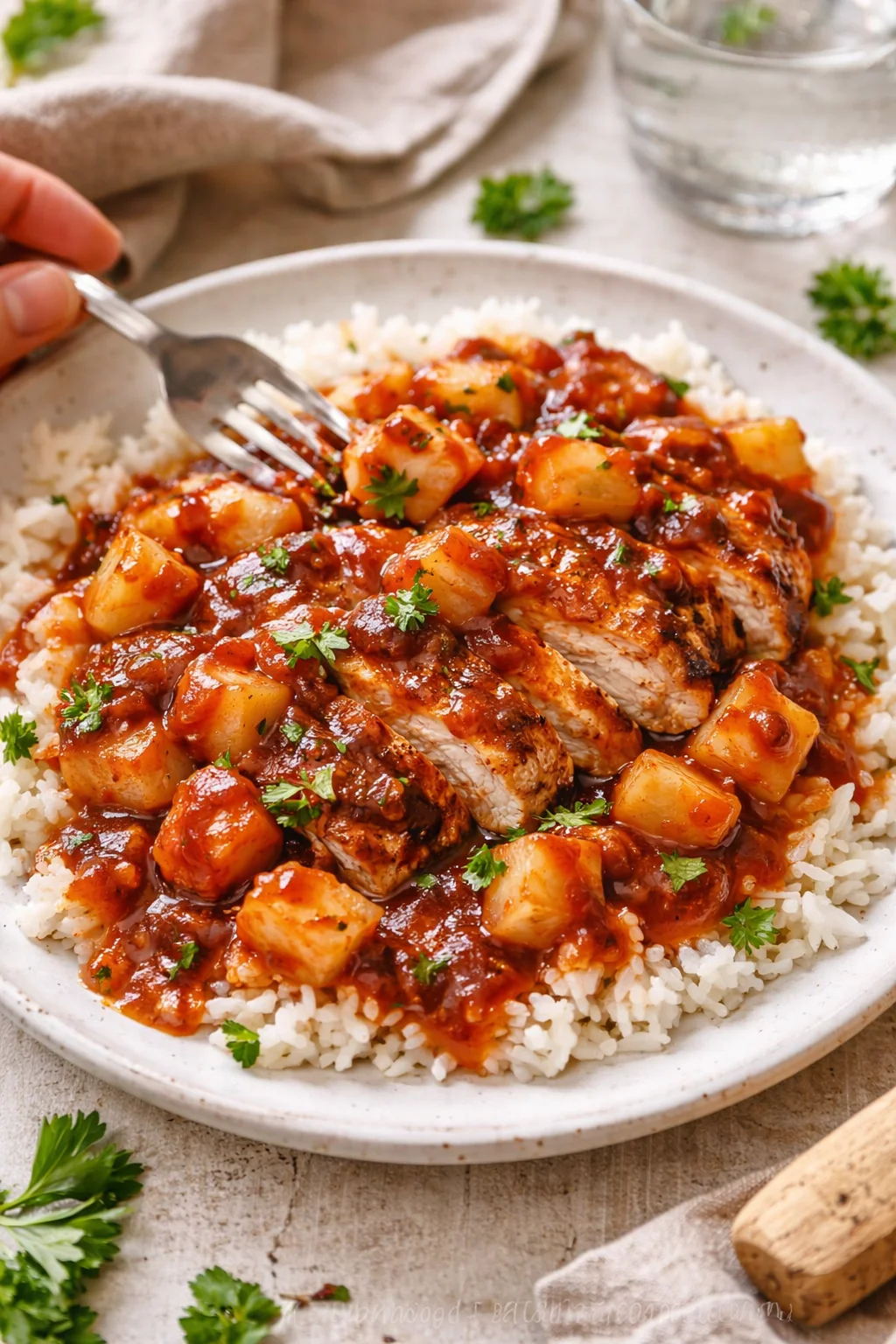
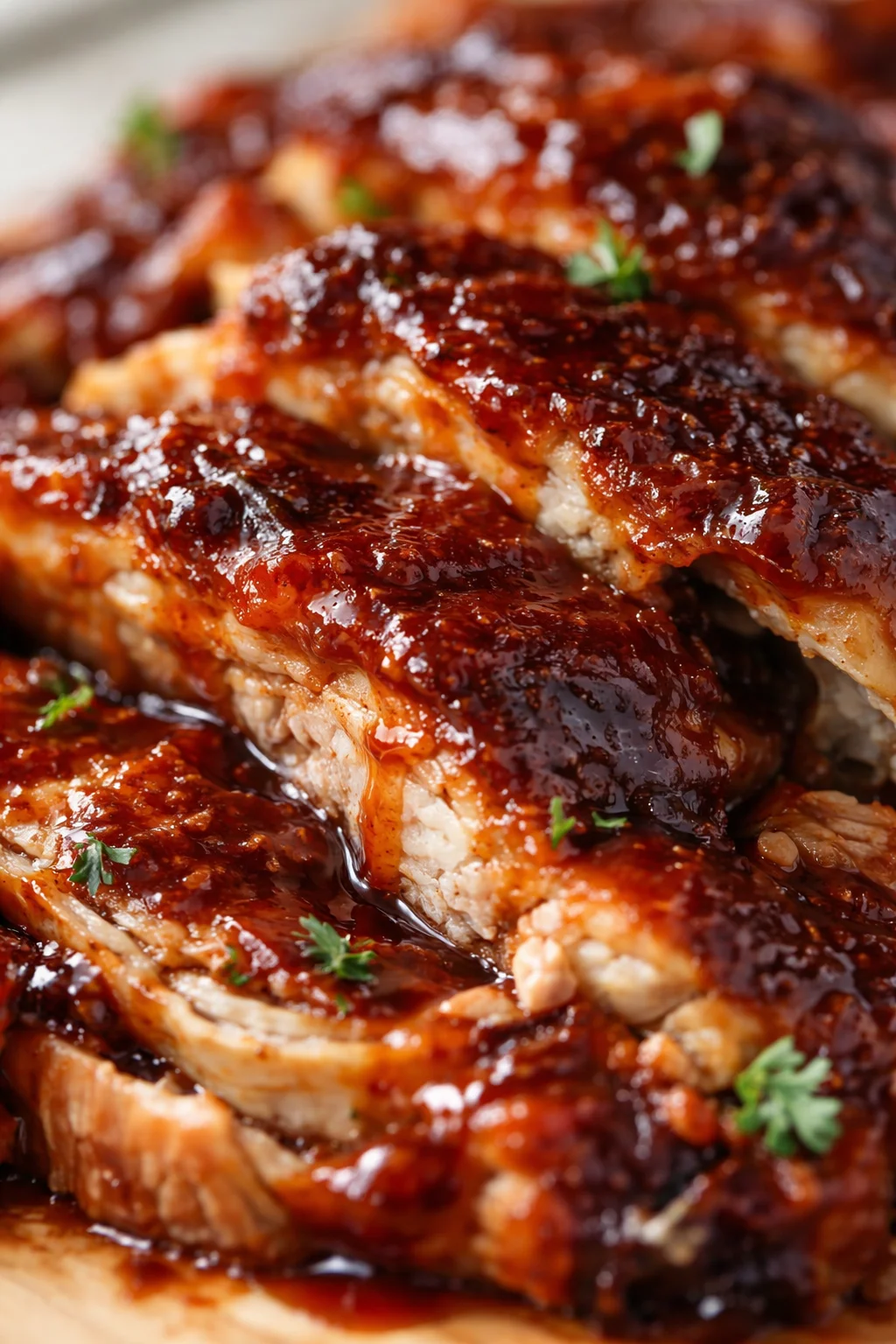
This roasted rhubarb barbecue sauce starts by roasting fresh rhubarb and garlic together, then blending them before simmering with classic barbecue staples like balsamic vinegar, brown sugar, ketchup, and Worcestershire sauce. The final sauce is bright, tangy, and sweet, with a beautiful red hue that’s just perfect for slathering on grilled chicken, pork, ribs, wings, or even as a surprising pizza sauce.
You’ll get about 2 cups of sauce from this simple recipe, and it takes roughly 40 minutes from start to finish (around 15–20 minutes to roast and just a short simmer to finish). It’s such a simple, tasty way to use up spring rhubarb and create a summer condiment you’ll want to keep on hand.
When rhubarb pops up at the farmers’ market, it’s easy to think of pies and desserts only. But this roasted rhubarb barbecue sauce is a fresh twist that’s super easy to make and wildly delicious. The process is straightforward: roast rhubarb and garlic until they’re soft and caramelized, then puree everything and simmer it with balsamic vinegar, brown sugar, ketchup, Worcestershire sauce, and a few warming spices to build a bright, tangy-sweet sauce that looks as good as it tastes.
From start to finish, plan on about 40 minutes (giving the roasting 15–20 minutes and then a quick simmer). You don’t need any fancy gear—just a baking sheet and a blender or food processor to get that smooth, saucy texture.
Why This Sauce Works
- The unique flavor that roasting rhubarb brings — it adds a natural tartness and bright red color that perfectly balances the sweetness from the brown sugar and ketchup.
- Super versatile — use it like your regular barbecue sauce, a marinade, a dip for fries, wings, or warm pull-apart bread like garlic-parmesan herb pull-apart bread, or swap it in as a pizza sauce for a fun twist.
- Simple technique — roasting softens the rhubarb and makes pureeing and sauce-thickening a breeze.
- Make-ahead friendly — roast and puree when you have time, then simmer and finish right before serving. For smart storage and prep tips, see this guide to preparing, storing, freezing, and cooking with rhubarb.
What You’ll Need
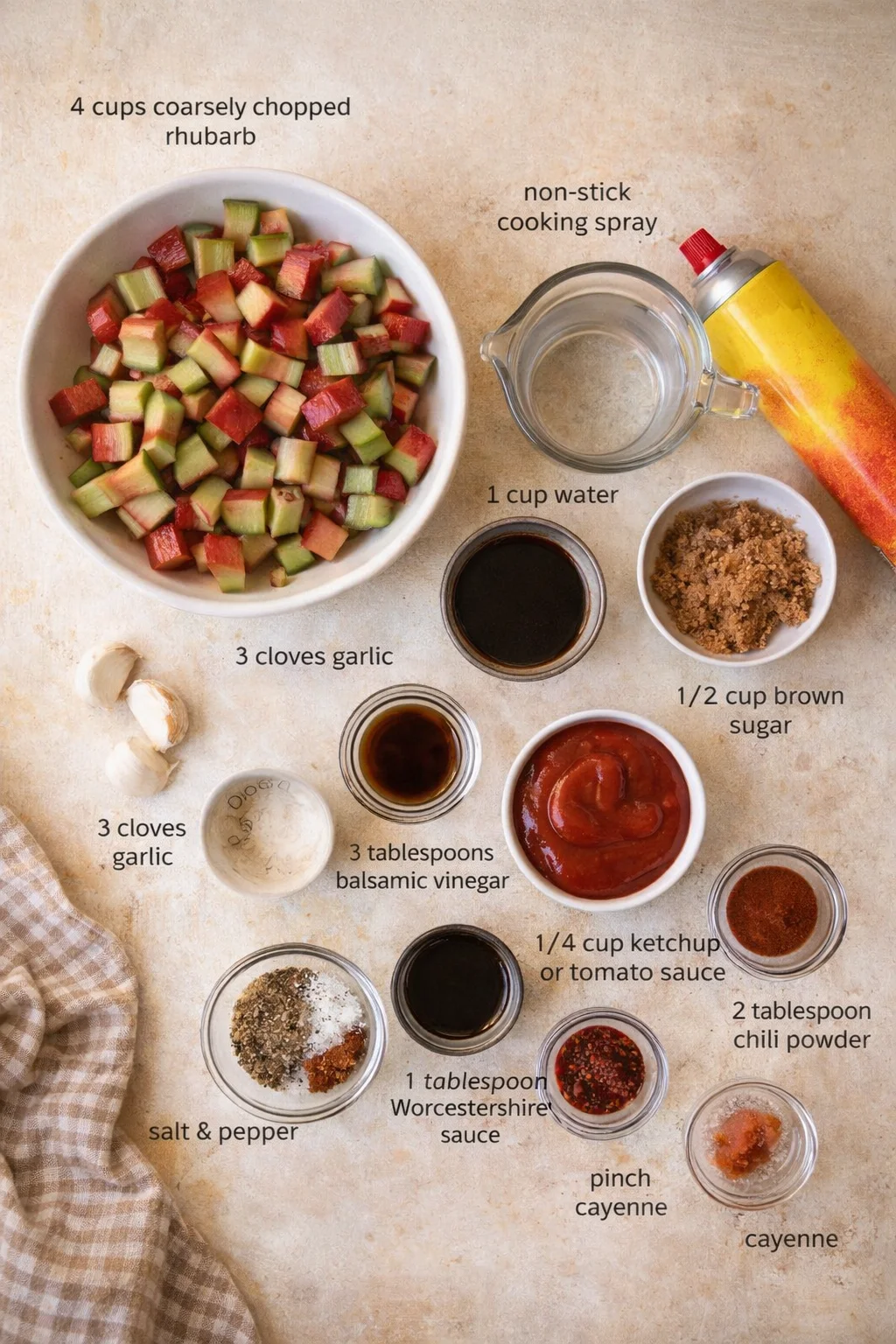
- 4 cups of coarsely chopped rhubarb
- 3 cloves of garlic
- non-stick cooking spray
- 1 cup of water
- 3 tablespoons balsamic vinegar
- 1/2 cup brown sugar
- 1/4 cup ketchup or tomato sauce
- 1 tablespoon Worcestershire sauce
- 1 tablespoon chili powder
- 1/4 teaspoon cinnamon
- a pinch of cayenne
- salt and black pepper to taste
Roast, Blend, and Simmer
- Preheat oven to 425°F and line a baking sheet with foil; spray lightly with nonstick cooking spray.
- Spread 4 cups coarsely chopped rhubarb and 3 garlic cloves on the prepared baking sheet and roast 15–20 minutes until the rhubarb is tender.
- Transfer the roasted rhubarb and garlic to a blender or food processor, add about 1 cup water, and puree until smooth, adding more water if needed.
-
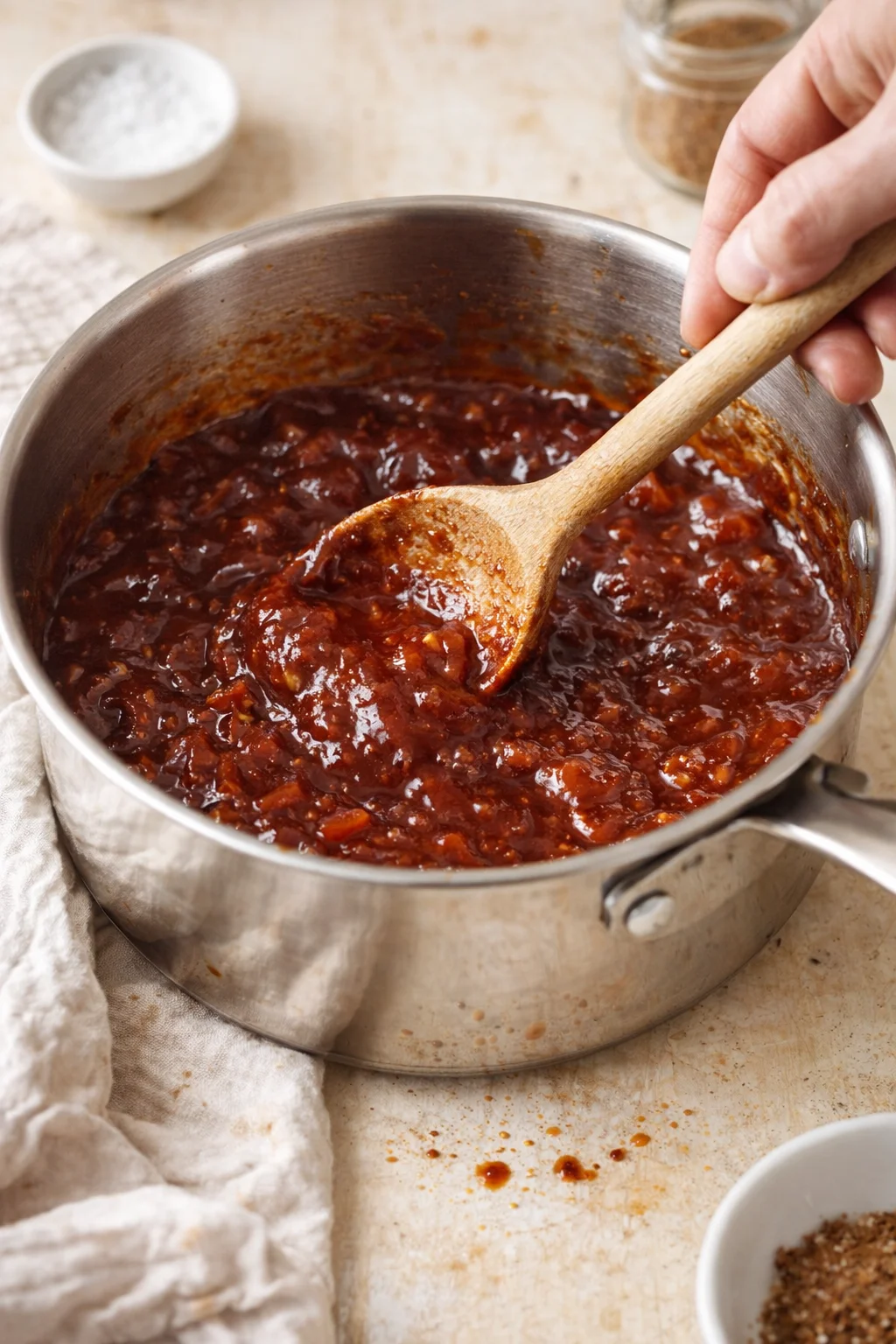
Pour the puree into a medium saucepan and stir in 3 tablespoons balsamic vinegar, 1/2 cup brown sugar, 1/4 cup ketchup, 1 tablespoon Worcestershire sauce, 1 tablespoon chili powder, 1/4 teaspoon cinnamon, a pinch of cayenne, and salt and pepper to taste; add water if you want a thinner sauce.
- Bring the sauce to a gentle simmer over medium-low heat and cook uncovered for 10–15 minutes, stirring occasionally, until the sauce thickens.
-
Taste and adjust sweetness or seasoning as desired, then remove from heat and let the sauce cool.
Tips for Perfect Results
- Feel free to play with the spices — add or tone down chili powder, cinnamon, or cayenne based on what your family likes.
- Depending on how tart or sweet your rhubarb is, you might want to adjust the sugar quantity up or down. Keep tasting as you go!
- If you like a thicker sauce, let it simmer a little longer to reduce and intensify.
- For an easy shortcut, cook your pork in a slow cooker a day or two before so the whole meal comes together faster, then pile it onto no-knead brioche rolls.
- If you’re looking for a little extra depth, try a pinch of espresso powder or unsweetened cocoa stirred in — it adds a surprising richness.
Flavor Swaps and Add-Ins
- Vinegar swap: Switch to apple cider vinegar if you want a brighter, fruitier tang than balsamic (the kind of zippy acidity you’ll also find in rhubarb relish).
- Tomato base: Use tomato sauce instead of ketchup for a less sweet, more classic tomato flavor.
- Sweetener swaps: Honey or maple syrup work beautifully in place of brown sugar — just adjust the amount to your taste.
- Smoky or spicy: Add smoked paprika or chipotle powder, or a little more cayenne for a smoky kick.
- Deeper flavor: Stir in a pinch of espresso or unsweetened cocoa to add complexity, just like in the tips above.
- Fruit add-ins: For a sweeter, jammy touch (think strawberry rhubarb jam), blend roasted strawberries or apples along with the rhubarb.
Storage and Freezing Tips
Once your sauce has cooled, keep it in a sealed container in the fridge. It stays fresh for up to a month, giving you plenty of time to enjoy it.
If you want to freeze some, pack it in airtight containers or ice cube trays and freeze for up to 3 months. To use, thaw overnight in the fridge, then warm gently on the stove, stirring now and then. If it gets too thick after chilling, add a little splash of water while reheating to loosen it up.
Thinking about canning? For safe, shelf-stable jars of rhubarb barbecue sauce, follow trusted USDA-approved canning instructions. If you’re new to water-bath canning, the step-by-step method in Rhubarb Jam – No Pectin offers a helpful process primer. Otherwise, stick to refrigeration or freezing.
Common Questions Answered
- Can I use frozen rhubarb? Yes! Just thaw it first, drain any extra juice, then roast or simmer it down before pureeing. You might want to use less water when blending to keep the sauce thick.
- How do I make my sauce thicker or thinner? For thicker sauce, simmer it longer so it reduces. To thin, add small amounts of water while blending or reheating.
- How sweet should the sauce be? That’s totally up to your taste! Start with the brown sugar amount in the recipe and add a bit more if your rhubarb is extra tart or bitter. You can also swap in honey or maple syrup.
- Are rhubarb leaves safe to eat? No, rhubarb leaves are toxic and must be discarded. Only use the stalks in recipes.
- Can I can this sauce for pantry storage? For safe canning, use USDA-tested recipes and procedures. If you want a rhubarb preserve that’s designed for water-bath canning, try our Strawberry Rhubarb Jam Recipe. If you’re not sure, refrigerate for up to a month or freeze for longer storage instead.